
Yew tree superstition links the tree to death, bad luck, and spiritual symbolism, particularly in British folklore, where cutting one down is considered very unlucky and associated with misfortune.
The yew tree, often found in graveyards and churches, carries rich folklore and superstitions. Its associations with death and bad luck have shaped cultural beliefs for centuries, making it a symbol of both mortality and rebirth across various traditions.
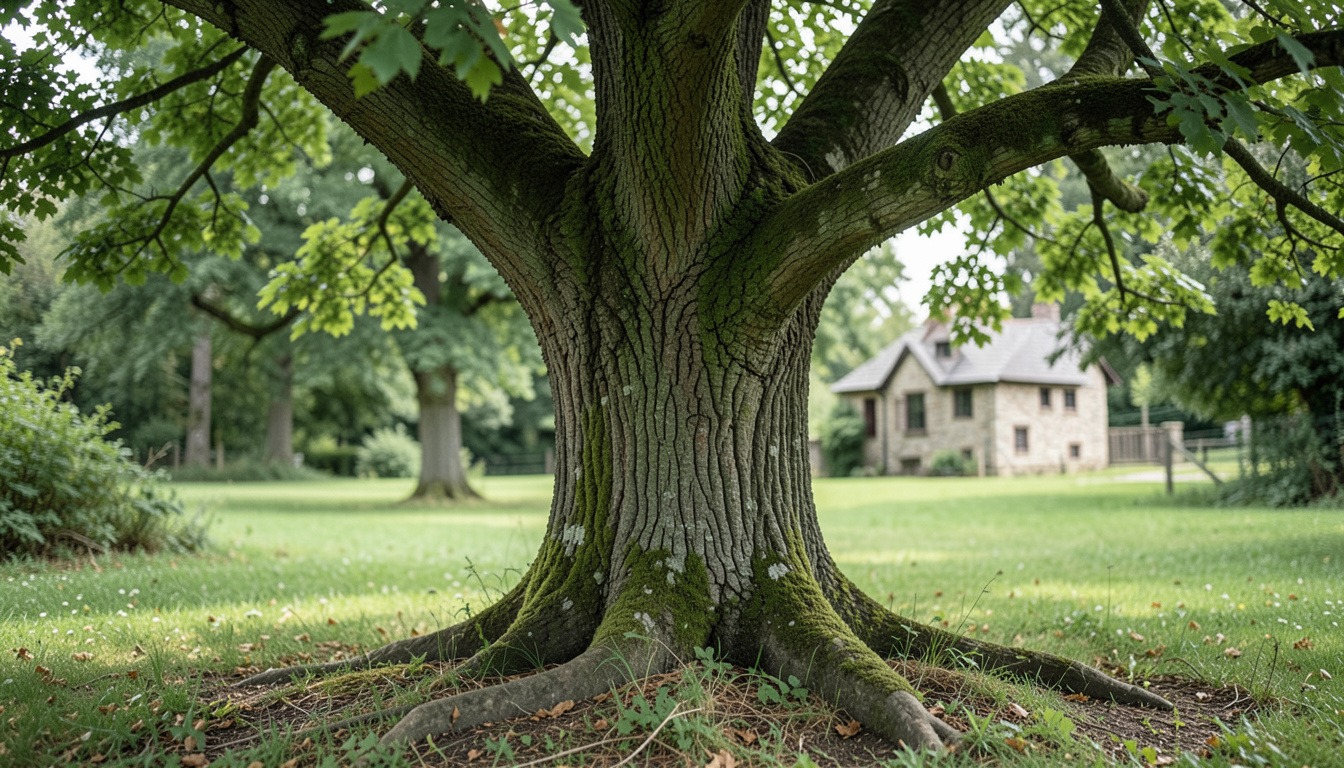
Understanding Yew Tree Superstitions
Yew tree superstitions have deep roots in various cultures, particularly in Europe. These beliefs often center around themes of death, resurrection, and bad luck, reflecting the tree’s complex role in folklore.
Historical Context of Yew Tree Superstitions
Yew trees have been associated with death and the afterlife for centuries. This connection likely stems from their presence in ancient burial sites and churchyards. Historical records indicate that the yew’s longevity and regenerative properties led many cultures to view it as a symbol of immortality.
- Ancient Beliefs: The Druids, a priestly class in ancient Celtic culture, held yew trees in high regard. They believed the tree connected the physical world with the Otherworld, embodying transformation and continuity. Yews were often planted in sacred sites, enhancing their spiritual significance.
- Christian Adaptation: As Christianity spread, yew trees were integrated into churchyard traditions. People buried yew shoots with the deceased, believing they would aid in the rebirth of the soul. This practice reinforced the tree’s dual symbolism of death and resurrection.
- Folkloric Traditions: Many tales emerged around yew trees. For example, some cultures warned that cutting down a yew tree could bring misfortune. This belief likely arose from the tree’s toxic properties, which contributed to its ominous reputation.
Evolution of Beliefs Surrounding Yew Trees
Over time, yew tree superstitions evolved but retained core themes. Different cultures adapted these beliefs, leading to unique interpretations.
- Cultural Symbolism: In British folklore, yew trees symbolize protection against evil spirits. They were often planted near homes to ward off misfortune. The link between yew trees and death remained strong, underscoring their protective role in spiritual practices.
- Modern Interpretations: Today, yew trees are celebrated not only for their historical significance but also for their beauty and resilience. Gardeners often plant them for ornamental purposes, while spiritual practitioners use yew wood for crafting wands and talismans, continuing the tree’s legacy in modern rituals.
- Practical Guidelines: When handling yew trees, it’s crucial to recognize their toxicity. All parts of the yew, except for the fleshy part of the seed, are poisonous. Therefore, precautions should be taken when planting or pruning yews to prevent accidental ingestion.
Summary of Yew Tree Superstitions
- Symbol of Death and Resurrection: Yew trees are often seen as a bridge between life and death.
- Cultural Variances: Beliefs surrounding the yew vary, with some cultures viewing it as protective while others caution against its cutting.
- Safety Precautions: Given their toxicity, individuals should exercise care when interacting with yew trees.
These elements illustrate the yew tree’s multifaceted role in superstition and cultural narratives, reflecting humanity’s complex relationship with nature and mortality.
The Cultural Significance of Yew Trees
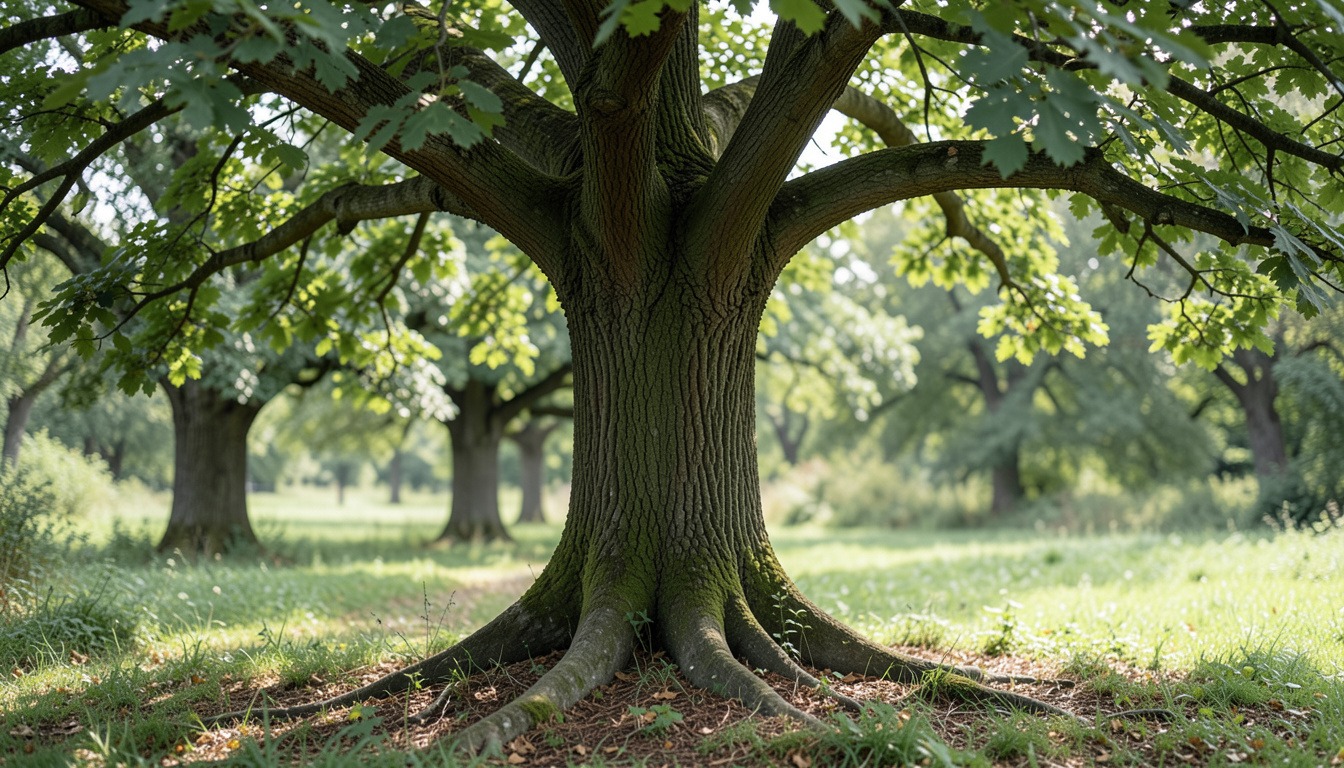
Yew trees hold profound cultural significance across various traditions, particularly in their associations with death and resurrection. Their symbolism varies, often embodying both protective and ominous qualities.
Yew Trees in British Folklore
In British folklore, yew trees are often regarded as symbols of mortality. They frequently appear in churchyards, where they serve as guardians of the dead. The long life span of yew trees—often exceeding a thousand years—contributes to their association with immortality. Many tales suggest that damaging a yew tree invites bad luck, reinforcing its protective reputation.
- Cultural Associations: Yew trees symbolize the cycle of life and death, illustrating the belief that death is not an end, but a transformation.
- Churchyard Tradition: The presence of yew trees in graveyards reflects a historical practice where communities believed they protected spirits and facilitated the transition to the afterlife.
Yew Trees in Druidic Traditions
The Druids, ancient Celtic priests, revered yew trees as sacred symbols. They believed these trees served as conduits between the physical and spiritual realms, embodying the duality of life and death.
- Regeneration Symbolism: Yews can regenerate from their branches, which touch the ground and take root. This characteristic links them to themes of rebirth and continuity.
- Spiritual Practices: Druids incorporated yew into rituals, recognizing its toxic nature as a metaphor for the fine line between life and death. They believed that the yew’s presence in sacred sites enhanced spiritual connection and protection.
Comparative Analysis of Yew Tree Symbolism
Examining yew trees across different cultures reveals diverse interpretations of their symbolism:
- Celtic Cultures: Yew trees represent the cycle of life, death, and rebirth, often linked to the Otherworld.
- Norse Traditions: In Norse mythology, yew trees are associated with Yggdrasil, the world tree, symbolizing the interconnectedness of all life.
- Eastern Beliefs: In some Eastern traditions, yew trees are viewed as protectors of the earth, warding off negative energies.
This comparative perspective highlights the yew tree’s universal role as both a symbol of death and a guardian of spiritual transitions. By understanding these cultural narratives, we grasp the deeper meanings attributed to yew trees, enriching our appreciation of their presence in folklore and superstition.
The Toxicity of Yew Trees and Its Implications
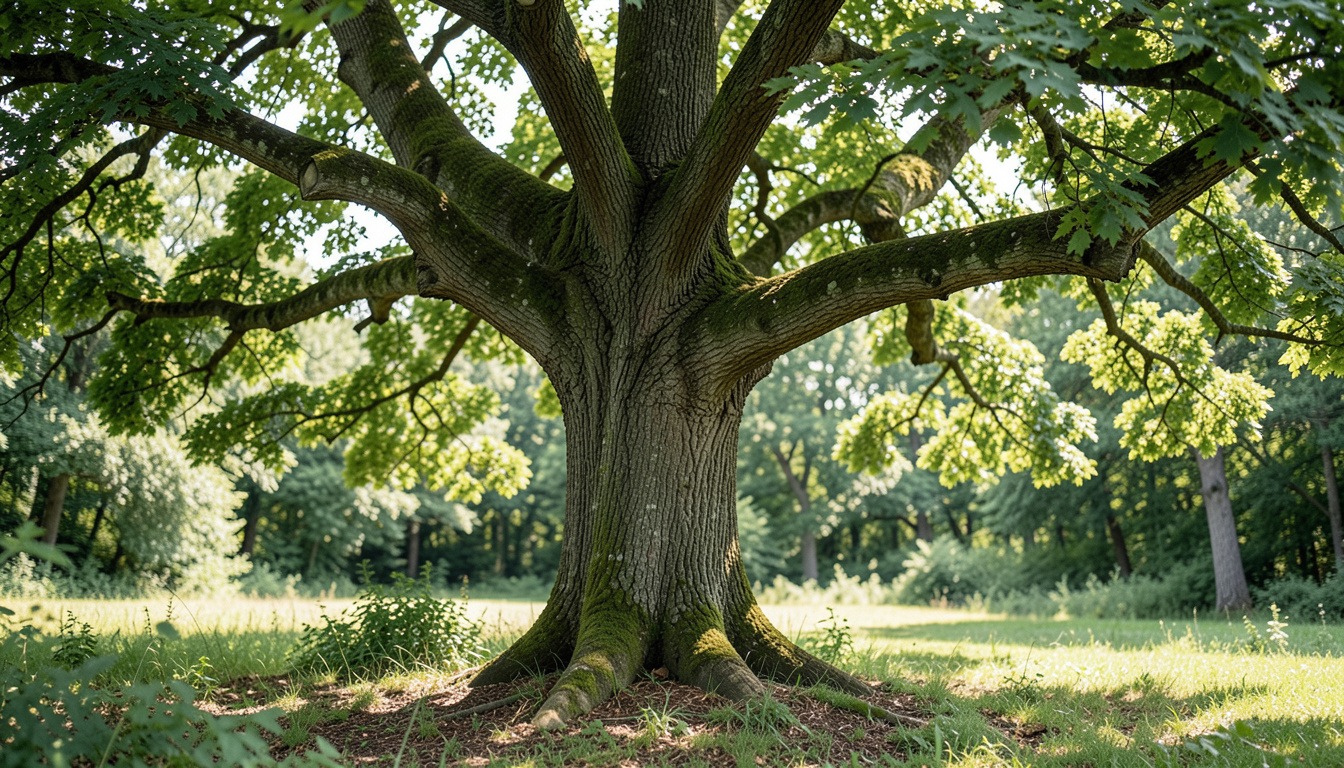
Yew trees, while revered for their beauty and cultural significance, pose serious health risks due to their toxicity. Understanding these dangers is crucial for anyone who interacts with these trees, especially in settings intertwined with folklore and superstition.
Toxic Components of Yew Trees
All parts of the yew tree, except for the fleshy aril surrounding the seed, are toxic. The primary toxic compounds are called taxanes, which can cause severe health issues if ingested.
Key Toxic Components:
- Taxine Alkaloids: Found in the leaves and seeds, these compounds are highly poisonous.
- Symptoms of Poisoning: Ingesting yew can lead to nausea, dizziness, difficulty breathing, and even death in severe cases.
Safety Precautions When Handling Yew
When handling yew trees, it’s essential to take precautions to avoid toxicity. Here are practical safety tips:
- Wear Gloves: Always wear gloves when pruning or handling yew branches to avoid skin contact with toxic sap.
- Avoid Ingestion: Do not consume any part of the yew tree, including the berries. The fleshy part is safe, but the seed inside is lethal.
- Supervise Children and Pets: Ensure that children and pets do not play near yew trees or consume any fallen parts.
- Dispose of Cuttings Properly: When pruning yew, dispose of the cuttings in a secured bag to prevent accidental ingestion by animals.
Checklist for Safe Handling of Yew Trees:
- [ ] Wear protective gloves.
- [ ] Keep children and pets at a safe distance.
- [ ] Avoid eating any part of the tree.
- [ ] Dispose of clippings in a secure manner.
By adhering to these guidelines, you can safely appreciate the beauty and cultural significance of yew trees while mitigating the risks associated with their toxicity.
Yew Trees in Modern Culture and Spiritual Practices
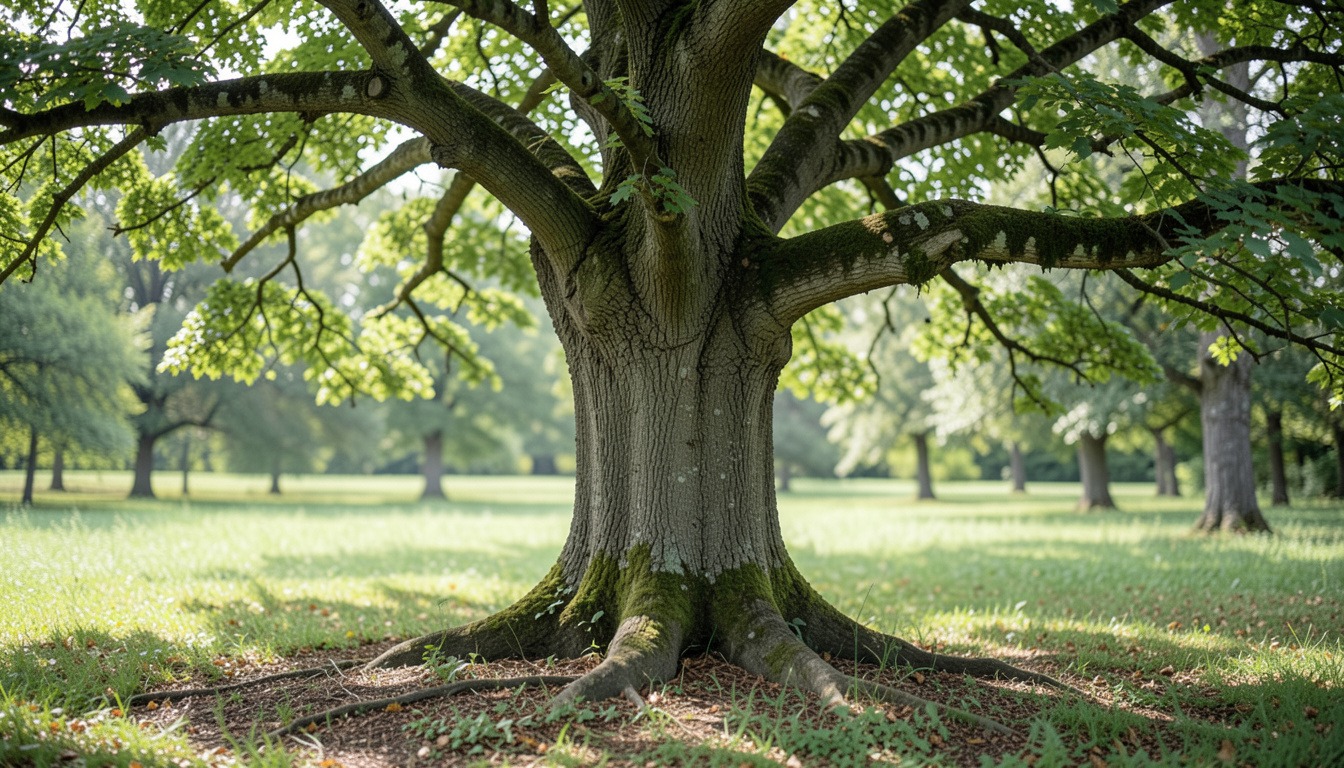
Yew trees continue to hold significant value in contemporary culture and spirituality. Their historical associations with death and resurrection resonate in modern rituals and beliefs.
Yew Trees in Contemporary Spirituality
Today, yew trees are often regarded as symbols of protection and transformation. In various spiritual practices, they are used in rituals aimed at honoring ancestors or connecting with the spirit world. Many practitioners of modern witchcraft incorporate yew wood or leaves into their rituals, believing in their ability to channel energies associated with rebirth and renewal.
- Ritual Uses: Yew branches may be used in ceremonies to invoke protection or to seek guidance from the Otherworld. This aligns with ancient beliefs that linked yew trees to the spiritual realm.
- Ancestral Connection: Some modern spiritualists plant yew trees in memory of lost loved ones, creating living memorials that symbolize life after death.
Modern Interpretations of Yew Superstitions
Contemporary interpretations of yew tree superstitions often blend traditional beliefs with modern sensibilities. While many still regard cutting down a yew as unlucky, others view the tree as a powerful symbol of life’s cycles.
- Cultural Significance: In some communities, the presence of a yew tree in a garden or near a home is thought to provide protection from negative energies or misfortune.
- Personal Anecdotes: Individuals share stories about their experiences with yew trees, claiming they felt a sense of peace or clarity when spending time near these ancient giants.
Incorporating yew trees into personal spiritual practices can enhance one’s connection to nature and the cycles of life, bridging the gap between ancient beliefs and modern spirituality.
Practical Guide to Safely Handling Yew Trees
Caring for yew trees requires an understanding of their unique characteristics and potential hazards. This guide outlines essential practices for planting, maintaining, and safely handling yew trees.
Caring for Yew Trees
1. Planting Location: Choose a well-drained area with partial shade. Yew trees thrive in moist, fertile soil, but they can tolerate drought once established.
2. Watering: Water regularly during dry spells, especially for young trees. Ensure the soil remains moist but not waterlogged to prevent root rot.
3. Pruning: Prune yew trees in late winter or early spring. Use sharp, clean tools to make precise cuts. This encourages healthy growth and maintains shape.
4. Mulching: Apply a layer of organic mulch around the base. This retains moisture, suppresses weeds, and protects roots from extreme temperatures.
5. Fertilization: Use a balanced fertilizer in early spring for optimal growth. Follow the manufacturer’s instructions for application rates.
Safe Practices When Working with Yew
1. Wear Protective Gear: When handling yew trees, wear gloves and a mask. The foliage and seeds contain toxic compounds that can cause harm if ingested or inhaled.
2. Avoid Ingestion: Keep children and pets away from yew trees. Educate family members about the dangers of consuming any part of the tree.
3. Proper Disposal: Dispose of trimmed branches and leaves responsibly. Do not compost yew waste, as it can be harmful to other plants and animals.
4. Emergency Preparedness: Familiarize yourself with symptoms of yew toxicity, including nausea, vomiting, and difficulty breathing. Keep emergency contact information handy.
5. Engage with Local Experts: Consider consulting a horticulturist or tree care professional for specific advice on yew tree care and handling.
By following these guidelines, you can cultivate a yew tree safely while respecting its cultural significance and historical associations.
Frequently Asked Questions
These quick answers cover the most common questions about this topic, including key details, practical tips, and common concerns.
Is it bad luck to cut a yew tree?
Yes, many cultures believe that cutting down a yew tree brings bad luck. This superstition likely stems from the tree’s long-standing associations with death and the afterlife. In folklore, yews are often seen as guardians of the dead, and damaging them can be perceived as disrespectful to the spirits they protect.
What is the spiritual significance of a yew tree?
The yew tree is often viewed as a symbol of death, resurrection, and immortality. In various spiritual traditions, it represents the cycle of life and the connection between the physical world and the spiritual realm. Yews are frequently planted in graveyards, reinforcing their role as protectors of the deceased and facilitators of spiritual transitions.
Is it safe to touch a yew tree?
While touching a yew tree is generally safe, caution is advised due to its toxicity. All parts of the yew, except for the fleshy part of the seed, contain toxic compounds. Avoid ingesting any part of the tree, and wash your hands after handling it to prevent any potential skin irritation.
What is the folklore significance of the yew tree?
In folklore, yew trees are often seen as symbols of protection and bad luck. They are commonly found in churchyards, where they serve as guardians against evil spirits. Many tales caution against cutting yew trees, suggesting that such actions could invite misfortune or disrupt the peace of the spirits resting nearby.
Can yew trees be used in landscaping?
Yes, yew trees can be effectively used in landscaping. Their dense foliage and ability to be shaped make them popular for hedges and privacy screens. However, due to their toxicity, it’s important to consider planting them away from areas frequented by children and pets.
Are there alternatives to yew wood for crafts?
If you’re looking for alternatives to yew wood for crafts, consider using cedar, pine, or fir. These woods are also durable and can be shaped easily. However, they lack the unique spiritual associations and aesthetic qualities of yew, so choose based on your project needs.
When should you avoid cutting a yew tree?
It’s best to avoid cutting a yew tree during significant cultural or spiritual times, such as around the winter solstice or during local festivals honoring the dead. Additionally, always check local guidelines or consult with an expert if you’re unsure, as some regions may have specific restrictions regarding yew trees.