
The Xoloitzcuintli, or Mexican Hairless Dog, symbolizes spiritual guidance, protection, and healing.
The Xoloitzcuintli, famed as the Mexican Hairless Dog, carries profound spiritual significance rooted in ancient Mesoamerican cultures. This guide explores its roles in guiding souls, its cultural heritage, and its continuing relevance in modern spirituality.
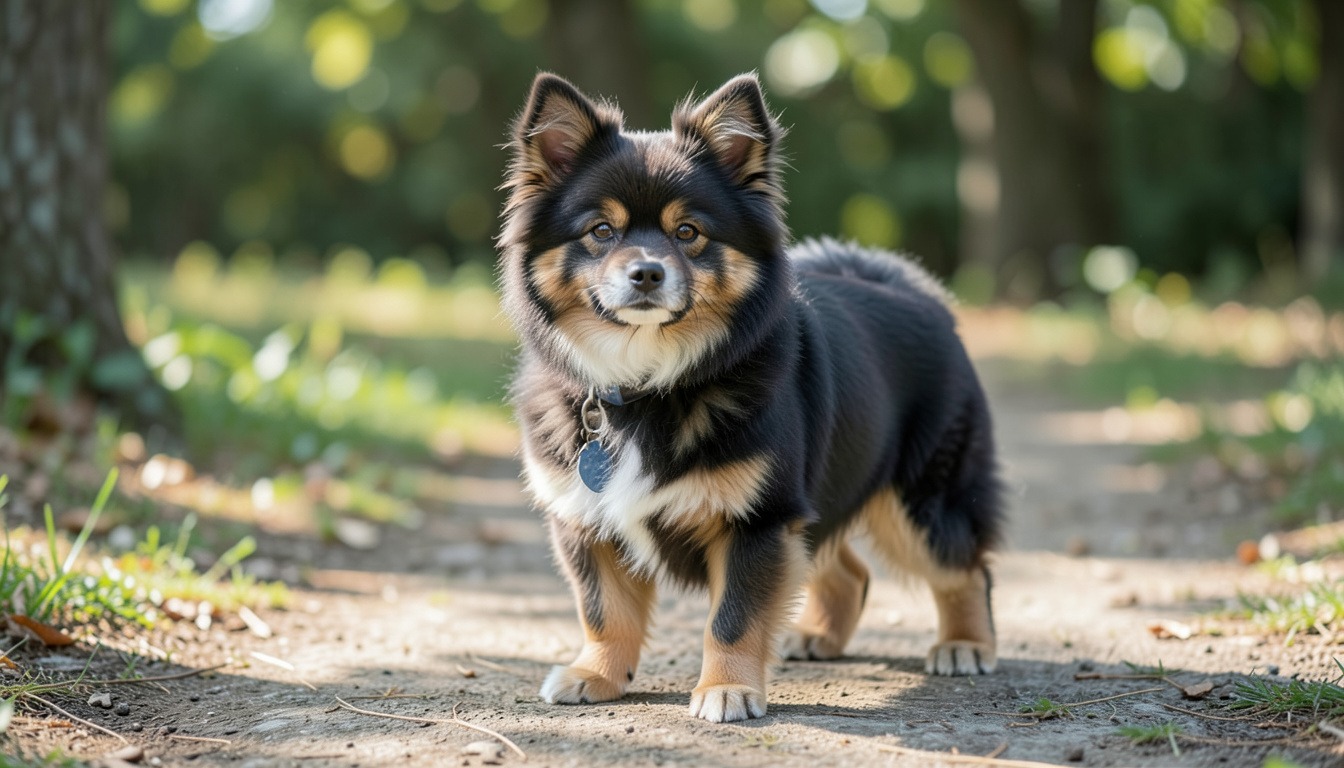
Understanding the Spiritual Significance of the Xoloitzcuintli
The Xoloitzcuintli, or Mexican Hairless Dog, embodies deep spiritual attributes. Its significance stretches from ancient Aztec beliefs to modern spiritual practices, illustrating its role as a guide for souls and a symbol of cultural heritage.
The Role of Xoloitzcuintli in Guiding Souls
In Aztec mythology, the Xoloitzcuintli serves as a vital guide for the deceased. It is believed that these dogs accompany souls through Mictlán, the underworld, ensuring safe passage. This role is deeply intertwined with the concept of guardianship and spiritual protection.
- Guidance: Xoloitzcuintli are seen as loyal companions that help navigate the afterlife.
- Spiritual Escort: They are often buried with the deceased to provide assistance in the journey beyond.
- Cultural Rituals: Their presence in burial practices highlights their significance in spiritual transitions.
Connection to the Aztec God Xolotl
The Xoloitzcuintli is named after Xolotl, the Aztec god of death and transformation. This connection enhances its spiritual meaning, as Xolotl protects the souls during their transition to the afterlife.
- Symbol of Transformation: The Xoloitzcuintli reflects the themes of life, death, and rebirth.
- Mythological Significance: Xolotl’s association reinforces the dog’s role as a protector against malevolent forces in the afterlife.
Symbolism in Afterlife Beliefs
The Xoloitzcuintli’s symbolism extends beyond mere companionship. It represents the bridge between life and death, embodying both the spiritual and physical realms.
- Cultural Heritage: The dog is a significant figure in Day of the Dead celebrations, symbolizing remembrance and honoring ancestors.
- Healing Properties: In modern spiritual practices, some believe that the Xoloitzcuintli possesses healing energies, aiding in emotional and spiritual well-being.
- Modern Interpretations: Contemporary spiritual users often share testimonials about their experiences with Xoloitzcuintli, emphasizing its role in personal growth and connection to the spirit world.
By integrating the Xoloitzcuintli’s symbolism into daily life, individuals can foster a deeper connection to their cultural roots and enhance their spiritual journeys. Consider adopting elements of this symbolism in rituals or personal reflections to honor its rich heritage.
Cultural Heritage and Historical Context of Xoloitzcuintli
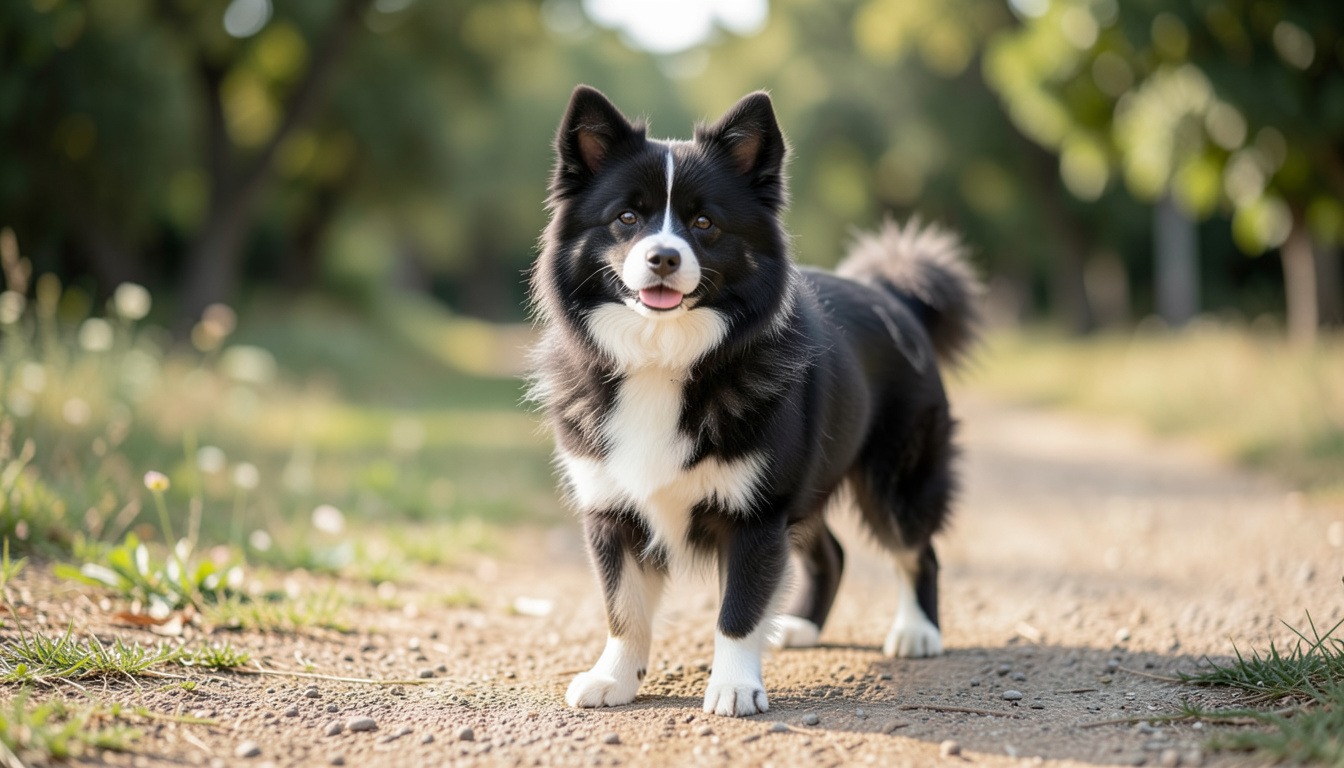
The Xoloitzcuintli, or Mexican Hairless Dog, embodies a rich tapestry of cultural significance in Mesoamerican societies. Its historical roots extend deep into ancient traditions, where it played a pivotal role in rituals and mythology.
Xoloitzcuintli in Ancient Rituals
The Xoloitzcuintli was revered in pre-Columbian cultures, particularly among the Aztecs, Maya, and Toltecs. These dogs were believed to be guides for souls navigating the underworld, specifically Mictlán, the Aztec realm of the dead. This sacred duty reinforced their status as spiritual companions.
- Sacred Burials: Archaeological findings indicate that Xoloitzcuintli remains were often found alongside human burials. This practice highlights their role as spiritual escorts, ensuring safe passage for the deceased.
- Ritual Significance: During rituals, Xoloitzcuintli were often present, symbolizing a connection between the physical and spiritual realms. Their presence was believed to facilitate communication with ancestors.
Artistic Representations of Xoloitzcuintli
The artistic depictions of Xoloitzcuintli in ancient artifacts reflect their spiritual importance. They appear in pottery, sculptures, and murals, often symbolizing protection and guidance.
- Cultural Symbols: Xoloitzcuintli imagery is frequently associated with themes of life, death, and rebirth. Artists used these representations to convey complex spiritual concepts.
- Modern Artistic Influence: Contemporary artists continue to draw inspiration from Xoloitzcuintli. Their work explores identity, heritage, and the ongoing relevance of this breed in Mexican culture.
Modern Interpretations and Symbolism
In today’s society, the Xoloitzcuintli transcends its historical role. It serves as a cultural icon and a symbol of resilience and healing.
- Cultural Revival: Recent efforts to promote the breed highlight its significance in Mexican heritage. Modern Mexicans view the Xoloitzcuintli as a link to their ancestral roots.
- Spiritual Practices: Individuals often incorporate Xoloitzcuintli imagery into personal rituals. This practice fosters a deeper connection to cultural identity and spiritual growth.
Through its historical and artistic legacy, the Xoloitzcuintli remains a potent symbol of spiritual guidance and cultural continuity in Mexican traditions.
Healing Properties and Ancestral Connections of Xoloitzcuintli
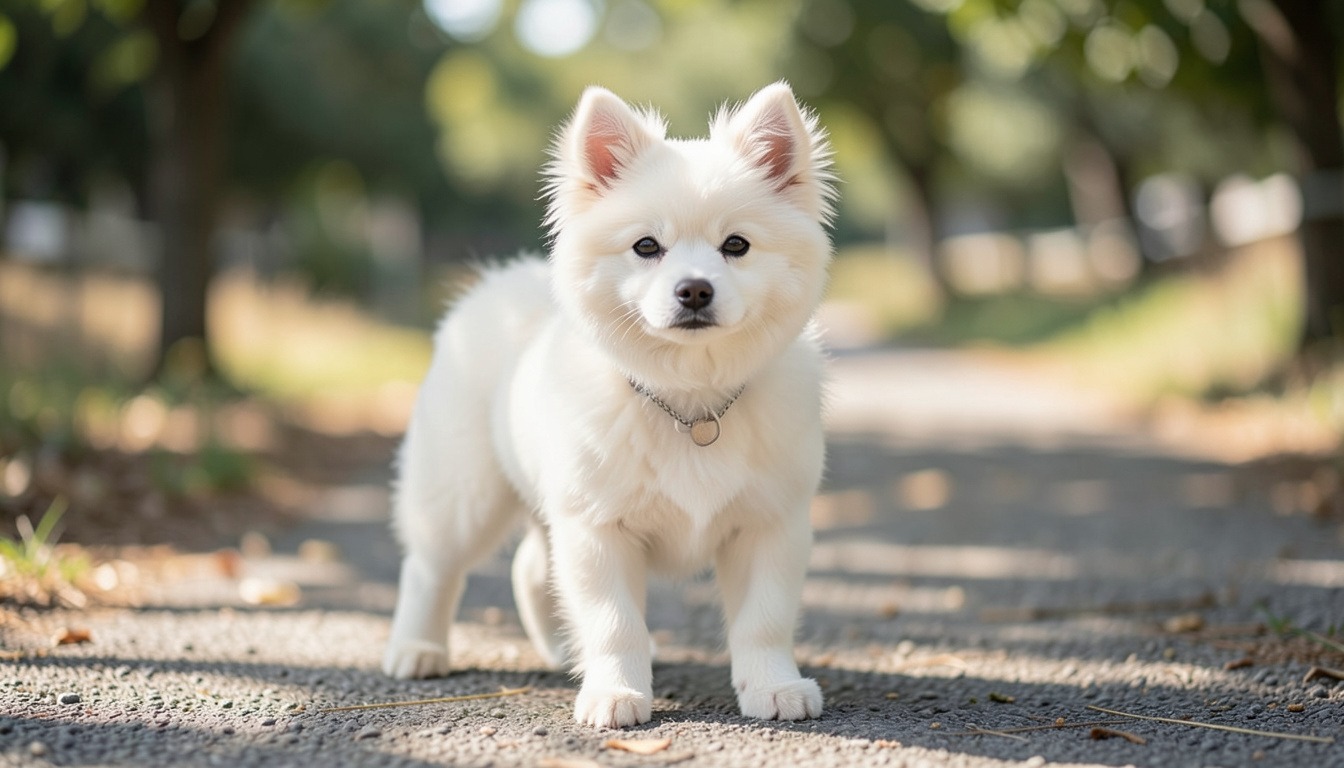
The Xoloitzcuintli is revered not only for its spiritual significance but also for its believed healing properties. This ancient breed serves as a bridge between the living and the spiritual realms, fostering connections with ancestors and promoting wellness.
Ancestral Guardian in Spiritual Practices
In many indigenous cultures, the Xoloitzcuintli acts as a guardian spirit. This dog is seen as a protector of souls, guiding them through the afterlife. Its presence in rituals emphasizes the importance of ancestral connections.
- Role in Rituals: People often include Xoloitzcuintli imagery in their spiritual practices. This can enhance a sense of belonging and continuity with their heritage.
- Symbol of Ancestral Wisdom: Engaging with Xoloitzcuintli can invoke ancestral guidance. Many practitioners believe that interacting with this breed invites insights and wisdom from those who came before.
Beliefs in Healing Powers
The Xoloitzcuintli is associated with various healing attributes. These beliefs are rooted in ancient traditions that recognize the dog’s role in spiritual and physical well-being.
- Healing Energy: Some practitioners use Xoloitzcuintli symbols in energy work. This practice is thought to harness the breed’s ancient energy for healing purposes.
- Emotional Comfort: The presence of a Xoloitzcuintli is said to provide emotional relief. Many report feeling a profound sense of peace and comfort when around this breed.
Rituals Involving Xoloitzcuintli for Healing
Modern interpretations of Xoloitzcuintli healing practices often combine tradition with contemporary spirituality. Here are some common rituals:
- Meditation: Practitioners may meditate while visualizing a Xoloitzcuintli. This visualization aims to connect with spiritual energies and ancestral guidance.
- Ceremonial Offerings: Some rituals involve offering food or flowers to honor the Xoloitzcuintli. Such acts symbolize gratitude for the protection and guidance it provides.
- Healing Circles: Group gatherings often include discussions about the Xoloitzcuintli’s role in personal healing journeys. Sharing experiences reinforces community bonds and collective healing.
Overall, the Xoloitzcuintli embodies a unique blend of ancestral reverence and healing potential, making it an enduring symbol in spiritual practices.
The Xoloitzcuintli’s Role in Day of the Dead Celebrations
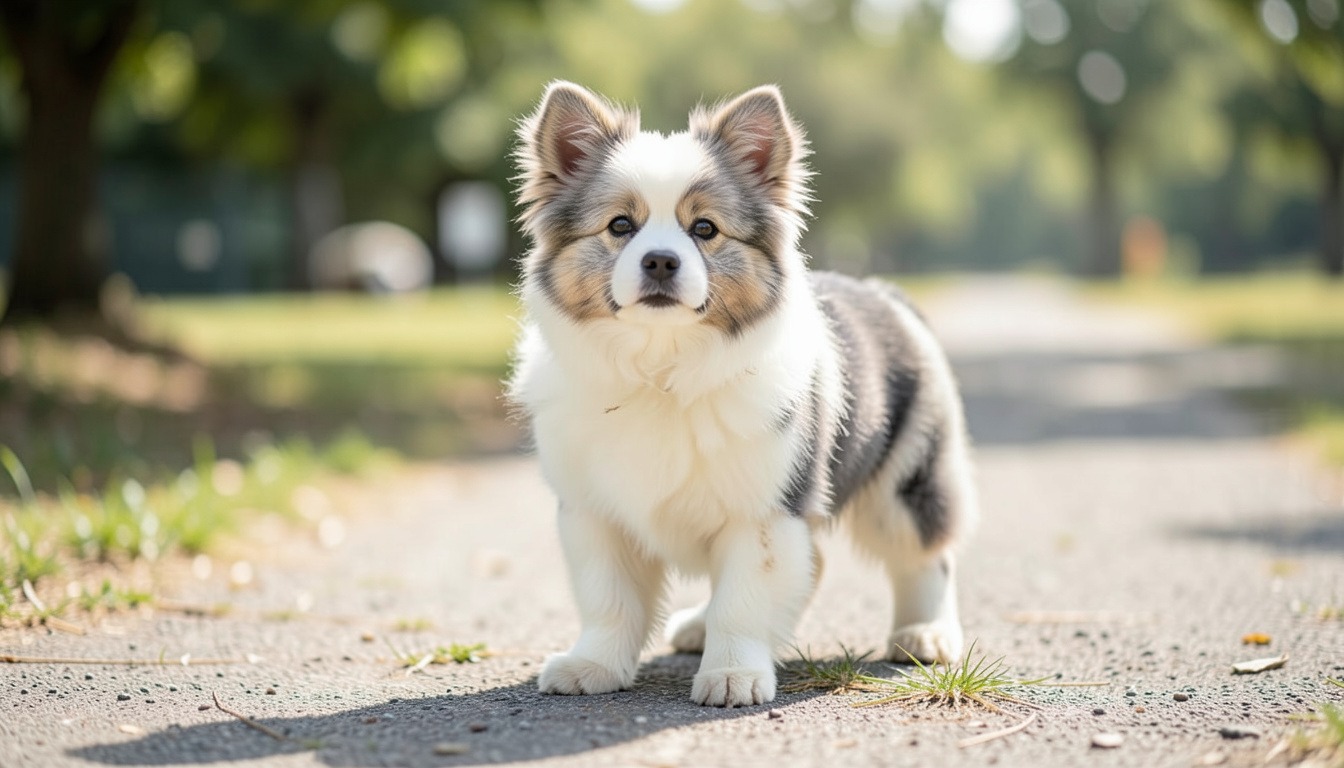
The Xoloitzcuintli holds a special place in the Day of the Dead festivities, symbolizing a spiritual guide for souls in their journey to the afterlife. Its presence is both a reminder of ancestral connections and an embodiment of cultural heritage.
Xoloitzcuintli as a Spiritual Guide
During Día de los Muertos, the Xoloitzcuintli is revered as a protector of souls. This breed is believed to help guide the deceased through Mictlán, the Aztec underworld. The Xoloitzcuintli’s role is crucial, as it offers comfort and support during this transition.
- Guidance Through the Afterlife: The Xoloitzcuintli is thought to accompany souls, ensuring they navigate the challenges of the afterlife safely.
- Symbol of Loyalty: Its unwavering loyalty reflects the bond between the living and the dead, reinforcing the idea that love transcends death.
Symbolic Representations in Altars
In altars dedicated to the deceased, Xoloitzcuintli figurines or images are common. These representations serve as a reminder of the dog’s protective role.
- Offerings: Families often include food, flowers, and candles alongside Xoloitzcuintli images, demonstrating gratitude for the guidance it provides.
- Artistic Expression: The imagery of the Xoloitzcuintli appears in various forms of art during the celebrations, from paintings to sculptures, emphasizing its cultural significance.
Modern Day Celebrations and Interpretations
Contemporary interpretations of the Xoloitzcuintli extend beyond traditional rituals. In modern practices, people incorporate the symbolism of the Xoloitzcuintli into their lives in various ways.
- Pet Ownership: Many modern pet owners adopt Xoloitzcuintli not just for companionship but also for their spiritual significance. Owners often describe experiences where their pets seem to provide a unique sense of comfort and connection to ancestors.
- Cultural Events: Festivals celebrating the Day of the Dead often feature exhibitions showcasing the Xoloitzcuintli’s role in history, deepening community ties and awareness of this cultural heritage.
The Xoloitzcuintli stands as a powerful symbol during Día de los Muertos, bridging the gap between life and death and enriching our understanding of spiritual guidance in cultural practices.
Common Misconceptions About the Xoloitzcuintli
Despite its rich history and spiritual significance, the Xoloitzcuintli is often misunderstood. These misconceptions can obscure their true essence and cultural importance.
Debunking Myths About Xoloitzcuintli
1. Misconception: Xoloitzcuintli are just hairless dogs.
Reality: While they are indeed hairless, Xoloitzcuintli are steeped in spiritual meaning. They are seen as sacred guardians in Aztec mythology, guiding souls through the afterlife.
2. Misconception: They are merely pets with no deeper significance.
Reality: Many owners report profound spiritual connections with their Xoloitzcuintli. These dogs are thought to connect individuals with their ancestors and offer emotional support.
3. Misconception: Xoloitzcuintli are extinct or endangered.
Reality: Although their numbers dwindled due to historical events, Xoloitzcuintli are now recognized and protected, gaining popularity as both pets and spiritual companions.
Comparison with Other Spiritual Animals
Understanding the Xoloitzcuintli’s role in the context of other spiritual animals can clarify its unique position.
| Animal | Spiritual Role | Cultural Significance |
|---|---|---|
| Xoloitzcuintli | Guide to the afterlife | Sacred in Aztec mythology |
| Raven | Messenger between worlds | Symbol of transformation |
| Elephant | Wisdom and protection | Revered in various cultures |
| Wolf | Loyalty and pack bonds | Spiritual guidance in many traditions |
The Xoloitzcuintli stands out as a bridge between life and death, unlike most animals, which often symbolize wisdom or loyalty.
The Real Essence of the Xoloitzcuintli
The Xoloitzcuintli embodies qualities that extend beyond its appearance.
- Healing Properties: Traditionally, these dogs were believed to possess healing powers. Many cultures regard them as protectors against illness.
- Role in Rituals: Xoloitzcuintli are often included in rituals and ceremonies, emphasizing their ongoing spiritual relevance.
- Symbolism in Art: Artists frequently depict Xoloitzcuintli in various forms, highlighting their importance in Mexican culture and mythology.
Understanding the Xoloitzcuintli requires recognizing its spiritual dimensions. This breed is not just a companion; it is a profound symbol of connection to the spiritual world.
Frequently Asked Questions
These quick answers cover the most common questions about this topic, including key details, practical tips, and common concerns.
What does Xoloitzcuintli represent?
The Xoloitzcuintli represents spiritual guidance, protection, and healing. In Aztec culture, it is viewed as a sacred companion for the deceased, guiding souls through Mictlán, the underworld. This breed embodies a deep connection between life and death, symbolizing loyalty and companionship.
What is the mythological significance of the Xolo dog?
The Xoloitzcuintli is closely tied to Xolotl, the Aztec god of death and transformation. This connection enhances its role as a protector of souls, ensuring safe passage in the afterlife. It is often regarded as a spiritual escort, reinforcing its importance in rituals and burial practices.
How does the Xoloitzcuintli assist in the afterlife?
The Xoloitzcuintli assists in the afterlife by guiding souls through Mictlán. It is believed that these dogs accompany the deceased, helping them navigate challenges and ensuring they reach their final resting place safely. Their presence is a source of comfort and protection for those crossing over.
How is the Xoloitzcuintli celebrated during Day of the Dead?
During Día de los Muertos, the Xoloitzcuintli is honored as a spiritual guide. Figurines and images of the dog are often placed on altars alongside offerings for the deceased. This practice symbolizes the dog’s role in protecting and guiding souls during their journey back to the living world.
What healing properties are attributed to Xoloitzcuintli?
The Xoloitzcuintli is believed to have various healing properties, including emotional and spiritual support. Many practitioners incorporate its imagery into rituals for wellness and comfort. The presence of a Xoloitzcuintli is thought to foster a sense of peace and connection to ancestral wisdom.
What are common misconceptions about Xoloitzcuintli?
Common misconceptions include viewing Xoloitzcuintli merely as hairless pets without spiritual significance. In reality, they are considered sacred in Aztec culture and serve as guardians in the afterlife. Additionally, some believe they are extinct, but they are recognized and protected today as a vital part of Mexican heritage.
How does the Xoloitzcuintli compare to other spiritual animals?
The Xoloitzcuintli stands out among spiritual animals due to its unique role as a guide for the deceased. While other animals, like ravens and elephants, symbolize wisdom or transformation, the Xoloitzcuintli specifically connects the living to the afterlife, emphasizing loyalty and companionship in death.
What other animals are considered guides in Mexican culture?
In addition to the Xoloitzcuintli, other animals like the jaguar and eagle are seen as spiritual guides in Mexican culture. The jaguar symbolizes strength and protection, while the eagle represents freedom and vision. Each animal carries its own significance, but the Xoloitzcuintli uniquely embodies the connection to the afterlife.