
Seeing ladybugs in your room usually indicates they are seeking shelter during colder months.
Ladybugs, often seen as harmless, can become a nuisance when they invade your living space. Understanding why they appear and how to manage their presence is key to maintaining a comfortable home environment.

Recognizing the Signs of a Ladybug Infestation
Ladybugs can be charming in the garden but can become a nuisance indoors. Identifying the signs of a ladybug infestation is essential for effective management.
Common Signs of Infestation
Look for these indicators of a ladybug presence in your room:
- Clusters on Surfaces: Ladybugs often gather in groups on windowsills, walls, and light fixtures. Their preference for sunny spots makes these areas prime locations.
- Stains and Odors: The secretions from ladybugs can leave stains on surfaces. Additionally, an accumulation of ladybugs may produce a musty odor.
- Frequent Sightings: If you notice ladybugs regularly appearing, especially during the fall and winter months, it may indicate an infestation.
Seasonal Patterns of Ladybug Activity
Ladybugs are most commonly found indoors during specific seasons. They typically seek shelter as temperatures drop in autumn. Here’s what to expect:
- Fall and Winter: Ladybugs, particularly the Asian lady beetle, enter homes to overwinter. They may cluster near windows or doors as they search for warmth.
- Spring Awakening: As temperatures rise, ladybugs will emerge. You might see them more frequently indoors as they look for food sources or breeding sites.
Visual Identification Tips
Distinguishing between native ladybugs and the Asian lady beetle is crucial for understanding their behavior:
- Color and Shape: Native ladybugs are often red or orange with black spots, while Asian lady beetles can be yellow, orange, or red and have an M-shaped marking on their heads.
- Size: Asian lady beetles are generally larger and more oval than their native counterparts. This size difference can help you identify the species.
Being aware of these signs and seasonal behaviors can help you manage ladybug populations effectively. If you’re looking for ways to care for your indoor plants while keeping ladybugs at bay, consider a Ladybug House Plant Care Kit for optimal plant health.
Understanding Why Ladybugs Enter Homes
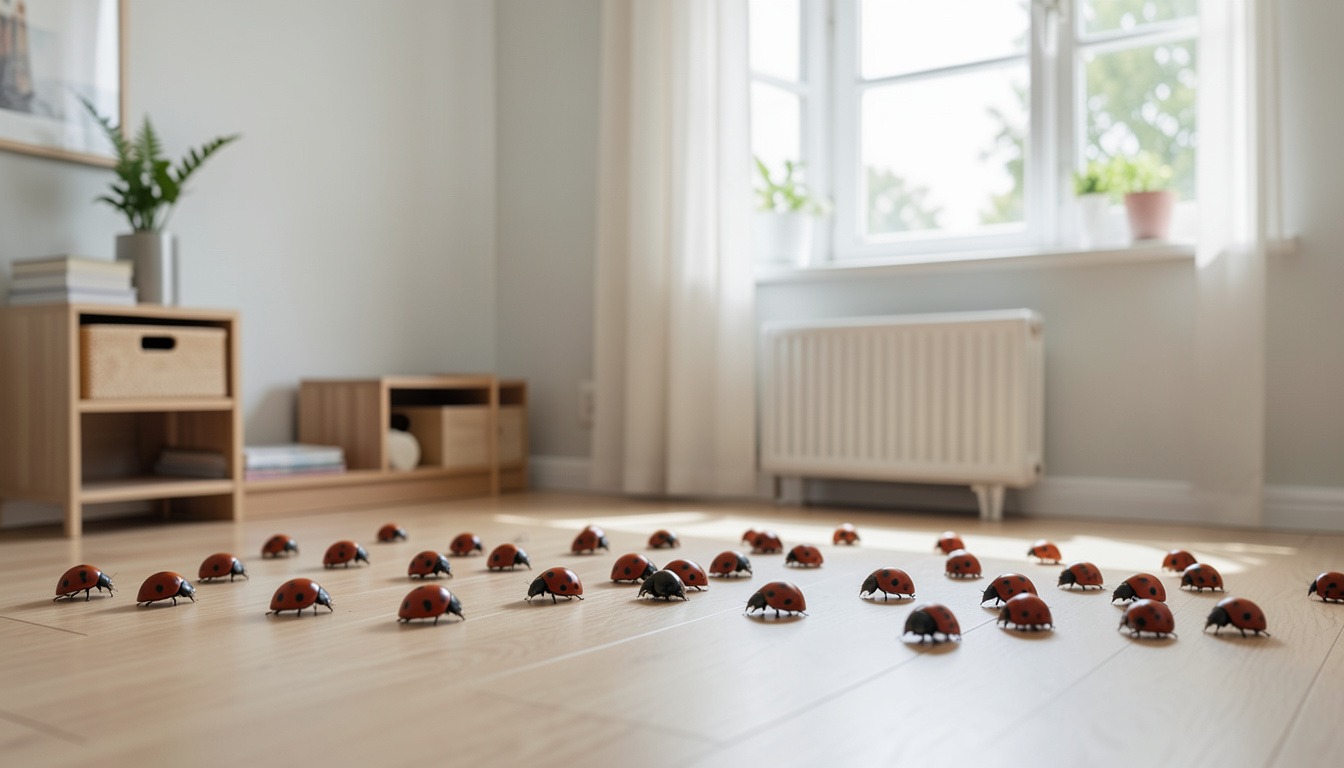
Ladybugs frequently invade indoor spaces, especially during colder months. Their attraction to warmth, moisture, and light is a key factor in this behavior.
The Search for Shelter in Winter
As temperatures drop, ladybugs seek refuge from the cold. They often enter homes to find a sheltered environment that offers warmth and protection. Key factors include:
- Warmth: Homes provide a stable temperature, ideal for overwintering.
- Quiet hiding spots: Ladybugs prefer secluded areas where they can cluster together.
- Sunlit areas: They are often found near windows and doors, drawn by sunlight.
This behavior typically peaks in late fall as daylight decreases, prompting ladybugs to seek indoor locations for survival.
Moisture and Food Sources that Attract Ladybugs
While ladybugs primarily come indoors to escape the cold, they also seek moisture. Inside homes, humid environments, particularly in kitchens and bathrooms, can attract them. Additionally, they may be drawn by food sources, including:
- Aphids: If you have houseplants infested with aphids, ladybugs might follow in search of food.
- Sweets: They are attracted to sugary residues from spills or overripe fruit.
Maintaining cleanliness and monitoring plant health can help reduce their allure.
Differences in Behavior Between Native and Asian Ladybugs
Understanding the distinctions between native ladybugs and Asian lady beetles can clarify why you might see them indoors. Key differences include:
- Overwintering habits: Asian lady beetles tend to form larger clusters and can invade homes in greater numbers.
- Behavioral patterns: Native ladybugs are less aggressive and more solitary compared to their Asian counterparts.
Recognizing these differences can help you identify the type of ladybug you’re dealing with and adjust your management strategies accordingly.
If you want to care for your indoor plants while managing ladybug populations, consider a Ladybug House Plant Care Kit for optimal plant health.
Seasonal Behavior of Ladybugs: When to Expect Them
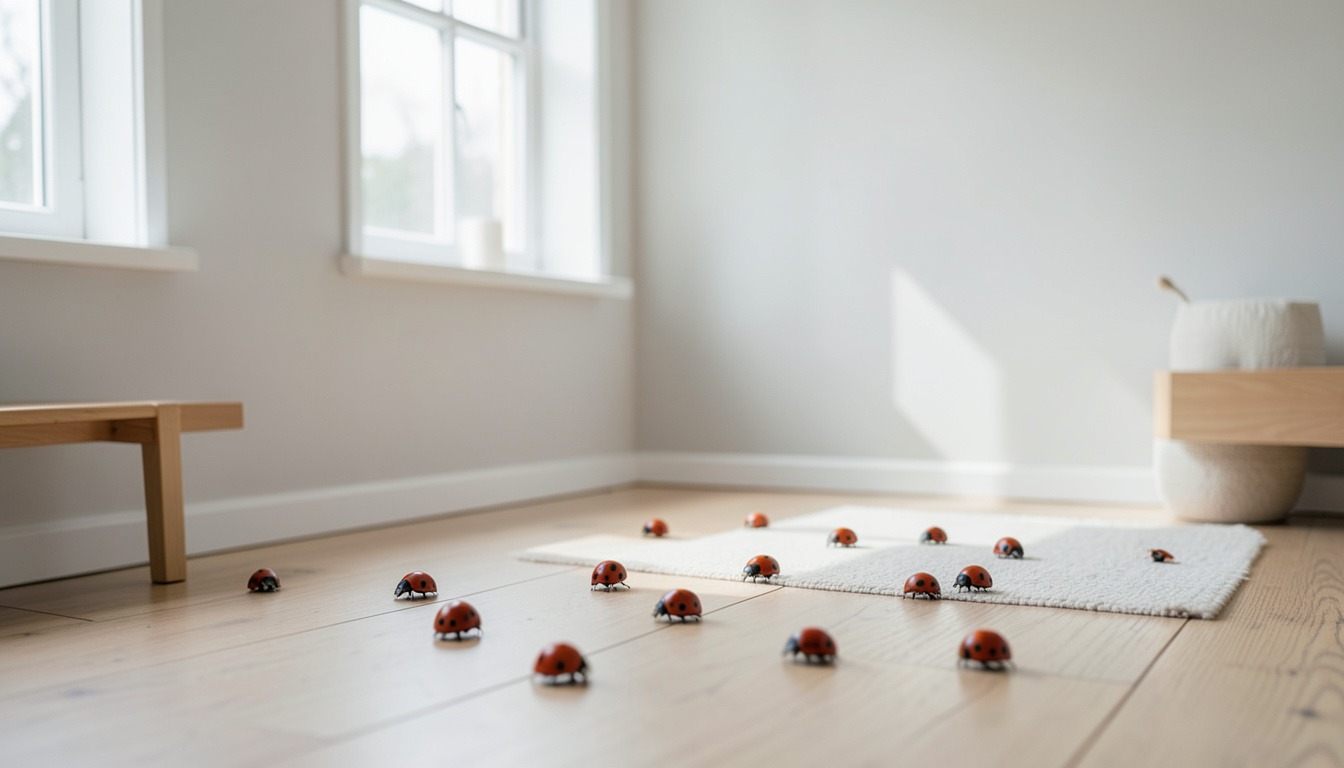
Understanding the seasonal patterns of ladybugs can help homeowners anticipate their presence and take preventive measures. Ladybugs typically seek shelter indoors during specific times of the year.
Understanding Ladybug Migration Patterns
Ladybugs migrate indoors primarily in the fall. As temperatures drop, they search for warm places to overwinter. This behavior leads them to congregate near windows, doors, and other potential entry points.
- Aggregation Behavior: Ladybugs often cluster together for warmth, resulting in multiple sightings at once. This behavior is common around late September through early November as they seek refuge.
Key Seasons for Ladybug Sightings
1. Fall (September to November): This is the peak season for ladybug invasions. As the weather cools, they become more noticeable indoors.
2. Spring (March to May): After a dormant winter, ladybugs emerge to mate and feed. You may see them again as they leave your home in search of outdoor habitats.
Weather Conditions that Encourage Indoor Activity
Certain weather conditions can increase ladybug activity indoors:
- Cooler Temperatures: As temperatures drop, ladybugs look for shelter.
- Sunny Days: After a period of cold, sunny days may prompt them to venture inside to find warmth.
Practical Considerations
To manage ladybug sightings effectively, consider these preventive measures:
- Seal Entry Points: Regularly inspect your home for cracks and gaps.
- Use Screens: Ensure windows and doors have tight-fitting screens to deter entry.
By understanding these seasonal behaviors, you can better prepare and minimize ladybug invasions in your space.
Effective Removal Techniques for Ladybugs
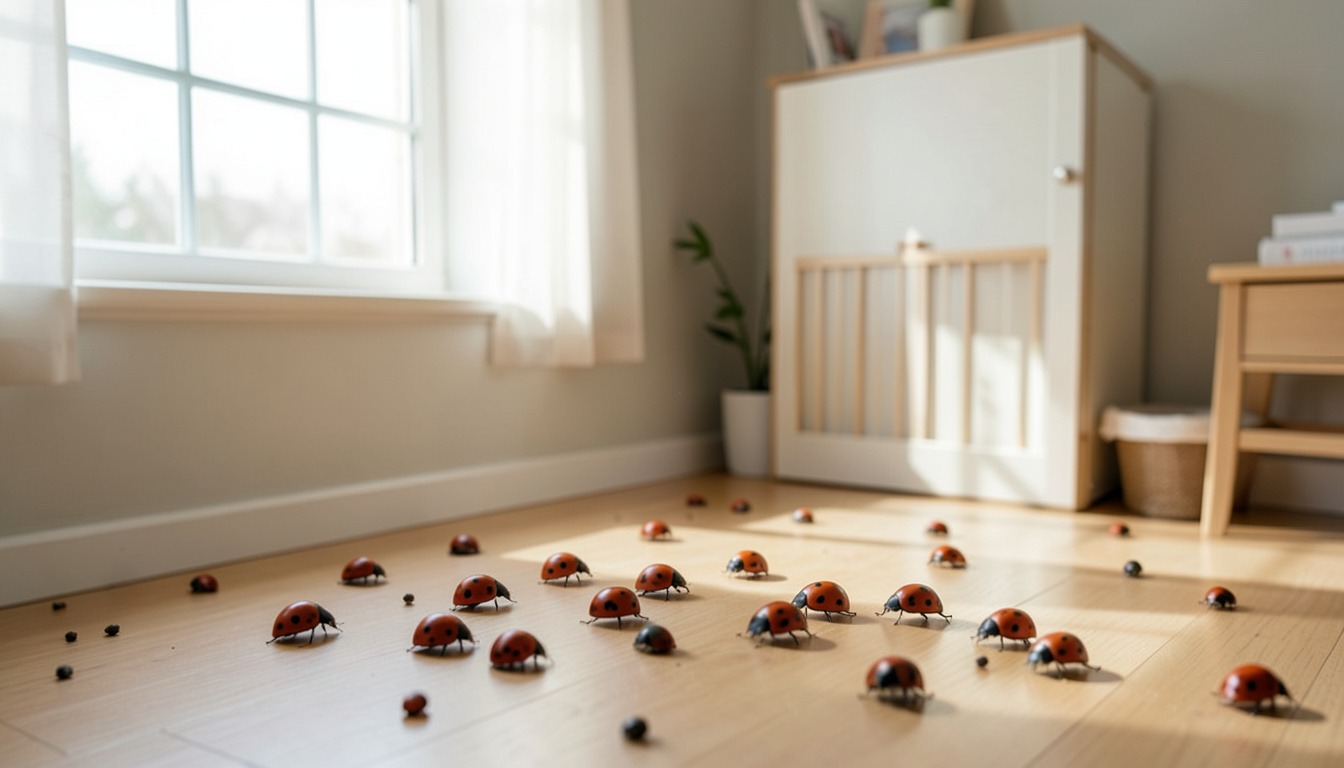
When ladybugs find their way indoors, it’s essential to handle their removal humanely and effectively. Here are various techniques, from DIY methods to professional pest control options, to manage their presence.
DIY Techniques for Safe Removal
1. Vacuuming: Use a vacuum with a soft brush attachment to gently remove ladybugs. Make sure to release them outside afterward, away from your home.
2. Soapy Water Spray: Mix a solution of soap and water in a spray bottle. Lightly spray ladybugs to immobilize them, then relocate them outdoors.
3. Light Traps: Place a light trap in areas where ladybugs are frequent. The light attracts them, allowing for easy capture and release.
4. Natural Repellents: Use citrus-scented sprays or essential oils like peppermint around entry points to deter ladybugs from entering.
When to Call a Professional
If your ladybug problem escalates into a significant infestation or you find other pests alongside them, it may be time to contact a pest control expert. Professionals can assess your home’s vulnerabilities and address underlying issues, ensuring comprehensive pest management. They often employ methods that are safe for both your family and the environment.
Humane Methods for Relocation
Relocating ladybugs can be a simple yet effective method of managing their presence. Here are some humane options:
- Container Method: Use a small container to gently scoop up ladybugs. Once collected, transport them to a nearby garden or wooded area.
- Outdoor Release: Choose a warm day to release the ladybugs outside. They thrive in sunny, sheltered spots where they can continue their role in the ecosystem.
- Avoid Harmful Chemicals: Refrain from using pesticides, as they can harm beneficial insects and disrupt local ecosystems.
Implementing these techniques ensures that you address the issue of ladybugs in your room while respecting their ecological role.
Preventing Ladybugs from Entering Your Home
To reduce the likelihood of ladybugs invading your living space, it’s essential to implement effective prevention strategies. These measures focus on sealing entry points and modifying outdoor conditions to make your home less attractive to these insects.
Sealing Entry Points Around Your Home
Identify and seal potential entry points around your home. Ladybugs can easily enter through small cracks and openings. Here are key areas to focus on:
- Windows and Doors: Install weather stripping and ensure screens fit tightly.
- Vents and Utility Openings: Use mesh screens to cover vents and seal gaps around utility lines.
- Foundation Cracks: Inspect the foundation for cracks and fill them with caulk or foam sealant.
A thorough inspection and sealing process can significantly limit ladybug access to your home.
Outdoor Strategies to Reduce Attraction
Adjust your outdoor environment to deter ladybugs from seeking shelter indoors. Consider these strategies:
- Trim Vegetation: Keep shrubs and trees trimmed back from your home’s exterior. This limits shelter close to entry points.
- Remove Debris: Clear leaf litter, wood piles, and other organic debris from your yard. These are attractive habitats for ladybugs.
- Control Aphids: Since ladybugs feed on aphids, reducing aphid populations in your garden can lessen the ladybug’s attraction to your home.
By optimizing the outdoor space, you can minimize the chances of ladybugs finding their way inside.
Using Natural Repellents Effectively
Incorporate natural repellents to further discourage ladybugs from entering your space. Some effective options include:
- Essential Oils: Use peppermint or citrus oils diluted in water as a spray around entry points. The strong scent can deter ladybugs.
- Diatomaceous Earth: Sprinkle food-grade diatomaceous earth around entryways. It is safe and can disrupt ladybugs’ movements.
Regular application of these natural solutions can enhance your preventative measures without harming beneficial insects.
The Benefits of Ladybugs Outside the Home
Ladybugs are more than just colorful insects; they play a crucial role in maintaining healthy ecosystems, particularly in gardens. Their presence can significantly benefit outdoor environments by naturally controlling pests.
Natural Pest Control Agents
Ladybugs are voracious predators of soft-bodied insects, particularly aphids. By consuming these pests, they help protect plants from damage. A single ladybug can eat up to 50 aphids in one day. This makes them invaluable allies for gardeners.
- Pest Control Efficiency: Ladybugs can reduce the need for chemical pest control methods. By fostering a ladybug-friendly environment, you can lower the population of harmful insects naturally.
- Biodiversity Support: Their predation helps maintain a balanced ecosystem, fostering a healthy garden environment.
Ladybugs and Biodiversity
Ladybugs contribute to biodiversity by supporting various plant and insect species. Their role as predators helps regulate pest populations, ensuring that no single species dominates the garden.
- Habitat Creation: Planting native flora can attract ladybugs, which thrive in diverse ecosystems. This enhances the habitat for other beneficial insects.
- Pollination Assistance: While primarily known for pest control, ladybugs can also aid in pollination, indirectly benefiting plant growth.
Cultural Significance of Ladybugs
Ladybugs hold a special place in various cultures and traditions. They are often seen as symbols of good luck and are celebrated for their environmental contributions.
- Good Luck Charms: Many cultures believe that spotting a ladybug brings good fortune.
- Educational Opportunities: Observing ladybugs in gardens can serve as a practical lesson in ecology, fostering an appreciation for nature in children and adults alike.
By understanding the ecological benefits of ladybugs, we can reframe their presence indoors as a reminder of their vital role in the outdoor environment. This perspective can help mitigate the frustration of unexpected indoor sightings, leading to more effective management strategies.
Distinguishing Between Ladybugs and Asian Lady Beetles
Understanding the differences between native ladybugs and Asian lady beetles is crucial for managing their presence in your home. While both belong to the same family, their behavior and appearance can significantly differ.
Key Differences in Appearance
Identifying these two types of beetles is essential for effective pest management. Here are some distinguishing features:
- Color Variation: Native ladybugs typically exhibit a bright red or orange coloration, while Asian lady beetles can range from pale yellow to deep red. This variation can include different shades and patterns.
- Spot Count: Native ladybugs usually have a consistent number of spots, often ranging from zero to several. In contrast, Asian lady beetles may have no spots or a varying number, sometimes exceeding a dozen.
- Pronotum Shape: The pronotum, or the area behind the head, is often white with a distinctive black “M” or “W” pattern in Asian lady beetles. Native ladybugs lack this marking.
Behavioral Distinctions
Behavioral traits also set these beetles apart:
- Hibernation Patterns: Native ladybugs hibernate outdoors in natural shelters such as leaf litter. Asian lady beetles, however, seek shelter indoors during colder months, often congregating in large numbers.
- Feeding Habits: Both types feed on aphids and other pests. However, Asian lady beetles have been known to exhibit aggressive behavior when threatened, including secreting a foul-smelling chemical, which can cause allergic reactions in some individuals.
Implications for Pest Management
The differences between these beetles impact how homeowners should manage their presence:
- Identification: Correctly identifying the beetle species can inform your management strategy. For instance, Asian lady beetles may require more aggressive removal techniques due to their potential for allergic reactions.
- Prevention Strategies: Knowing their entry habits allows you to seal potential entry points effectively. Inspect your home for cracks, gaps, and other vulnerabilities, particularly in the fall when Asian lady beetles are more likely to invade.
By recognizing these distinctions, homeowners can better prepare for and manage the presence of ladybugs and Asian lady beetles in their living spaces.
Frequently Asked Questions
These quick answers cover the most common questions about this topic, including key details, practical tips, and common concerns.
What attracts ladybugs in the bedroom?
Ladybugs are attracted to warmth, light, and moisture. They often seek shelter indoors during colder months, especially in areas that receive sunlight, such as windowsills. Additionally, if you have houseplants with aphids or sugary residues, these can also draw ladybugs inside as they look for food sources.
Is it safe to sleep in a room with a ladybug?
Yes, it is generally safe to sleep in a room with a ladybug. They are not harmful to humans and do not bite. However, if you have a large number of ladybugs, their secretions can leave stains, and some people may be allergic to them. If you notice a significant presence, consider removing them to maintain a comfortable environment.
How can I get rid of a lot of ladybugs in my room?
To effectively remove ladybugs, consider using a vacuum with a soft brush attachment to collect them gently. Alternatively, a soapy water spray can immobilize them for easy relocation. If the problem persists, you might want to contact a pest control professional who can address the infestation more comprehensively.
Should I leave a ladybug in my room?
Leaving a ladybug in your room is a personal choice. They are beneficial insects that help control pests, but if their presence becomes bothersome, it’s okay to relocate them outside. If you enjoy having them around, they can be harmless companions while indoors.
Why are ladybugs bad in the house?
While ladybugs are not harmful, they can become a nuisance when they invade homes in large numbers. Their secretions can stain surfaces, and they may emit a foul odor when threatened. Additionally, Asian lady beetles, which are often mistaken for native ladybugs, can cause allergic reactions in some individuals.
How to keep ladybugs out of the bedroom without killing them?
To deter ladybugs without harming them, seal potential entry points around your home. Use weather stripping on doors and windows, and install screens to block their access. You can also use natural repellents like citrus or peppermint essential oils around entryways to discourage them from coming inside.
Why do I keep finding ladybugs in my room in mid-January and February? Are they breeding and hatching indoors?
Finding ladybugs in mid-January and February is common as they are likely seeking warmth during winter. They typically do not breed indoors during this time; instead, they remain dormant until spring. However, if conditions are favorable, they may become more active as temperatures rise.