
Seeing ladybugs in your house often means they are seeking warmth and shelter for the winter.
Ladybugs, or lady beetles, are not just harmless garden insects; they can invade homes seeking shelter during colder months. Understanding why they appear indoors can help homeowners manage and prevent infestations effectively.

Understanding Why Ladybugs Enter Homes
Ladybugs, or lady beetles, are often seen in homes as they search for warmth and shelter during the colder months. Their natural behaviors and environmental factors contribute to their indoor presence.
The Need for Shelter in Fall and Winter
As temperatures drop, ladybugs instinctively seek protected places to overwinter. This behavior is driven by their need for warmth and safety. Homes provide ideal conditions—warm, dry, and sheltered from harsh weather.
- Temperature Sensitivity: Ladybugs are sensitive to temperature changes. When fall arrives and daylight decreases, they begin to look for warmer environments.
- Survival Mechanism: By entering homes, they aim to survive the winter in a secure location.
Aggregation Behavior of Ladybugs
Ladybugs exhibit a behavior known as aggregation. This is when they cluster together in large numbers to conserve heat and protect themselves from the cold.
- Group Dynamics: Homeowners often notice clusters of ladybugs rather than just a few individuals. This can lead to an overwhelming presence indoors.
- Seasonal Patterns: Typically, this aggregation occurs in late fall and early winter, coinciding with their migration indoors.
Attractiveness of Homes to Ladybugs
Several factors make homes particularly attractive to ladybugs.
- Sunlit Areas: Ladybugs are drawn to sunny spots, which is why they often gather near windows and doors.
- Entry Points: Cracks, gaps, and unsealed openings in homes serve as easy entry points for ladybugs. Common areas include:
- Window frames
- Door thresholds
- Vents and utility openings
Identifying Ladybugs vs. Asian Lady Beetles
It is crucial to differentiate between native ladybugs and Asian lady beetles, as the latter can be more problematic.
- Appearance: Native ladybugs are usually round and have a smooth shell, while Asian lady beetles may exhibit a more elongated shape with variable markings.
- Behavior: Asian lady beetles may release a strong odor when disturbed and can stain surfaces.
Understanding these differences helps homeowners recognize the type of ladybug present and the potential need for management strategies.
For those looking to address a ladybug invasion effectively, consider using a Ladybug Removal Kit for a humane approach to relocating them. Check Price on Amazon.
Identifying Ladybugs and Asian Lady Beetles
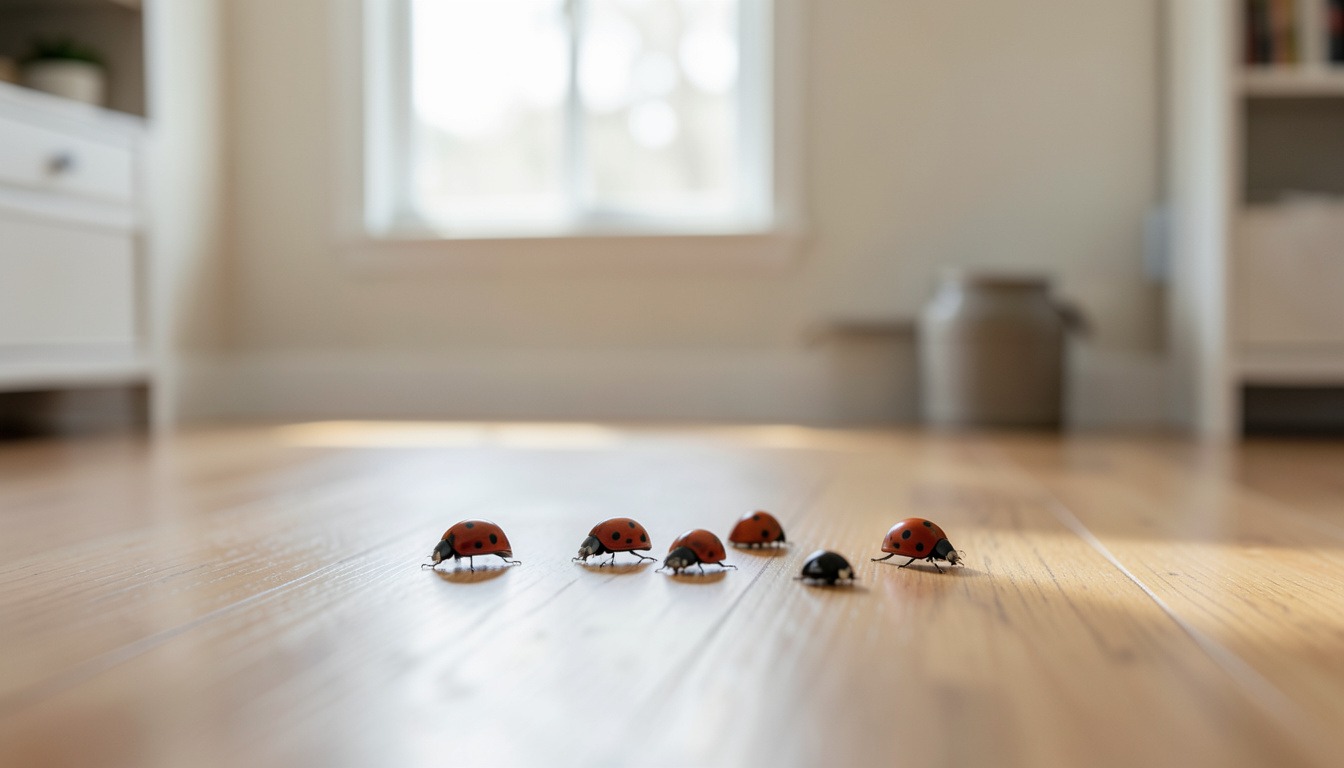
Understanding the differences between native ladybugs and Asian lady beetles is crucial for homeowners dealing with ladybug sightings in their homes. Accurate identification aids in determining management strategies and potential impacts.
Physical Characteristics of Ladybugs
Ladybugs come in various shapes and colors. Here are key features to help distinguish them:
| Feature | Native Ladybugs | Asian Lady Beetles |
|---|---|---|
| Shape | Round, smooth shell | More elongated, sometimes irregular shape |
| Color | Typically bright red or orange | Can be red, orange, or pale yellow |
| Spots | Usually 2-12 distinct spots | Spots vary; some may have none or many |
| Pronotum Marking | No distinct markings | Often has a black “M” or “W” marking |
Distinguishing Asian Lady Beetles
Asian lady beetles, while similar in appearance to native ladybugs, exhibit unique characteristics. Identifying these traits can prevent confusion and potential issues:
- Odor: Asian lady beetles may release a strong, unpleasant odor when disturbed.
- Behavior: They can stain surfaces due to the fluid they release when crushed.
- Entry Points: They typically seek shelter indoors during colder months, making homes a prime target.
Common Misconceptions About Ladybugs
Many homeowners mistakenly believe all ladybugs are harmless. Here are some common misconceptions:
- All Ladybugs are Beneficial: While native ladybugs help control pests, Asian lady beetles can become nuisances and may trigger allergic reactions in some individuals.
- Ladybugs Don’t Cause Damage: Asian lady beetles can leave stains and odors, affecting the cleanliness of your home.
- Ladybugs Are Only Seasonal: They may enter homes in large numbers, particularly in fall, as they seek warm places to hibernate.
By understanding these identifiers and misconceptions, homeowners can better manage their encounters with ladybugs and minimize any potential issues. If you need a humane solution for removal, consider using a Ladybug Removal Kit. Check Price on Amazon.
Management Strategies for Ladybug Infestations
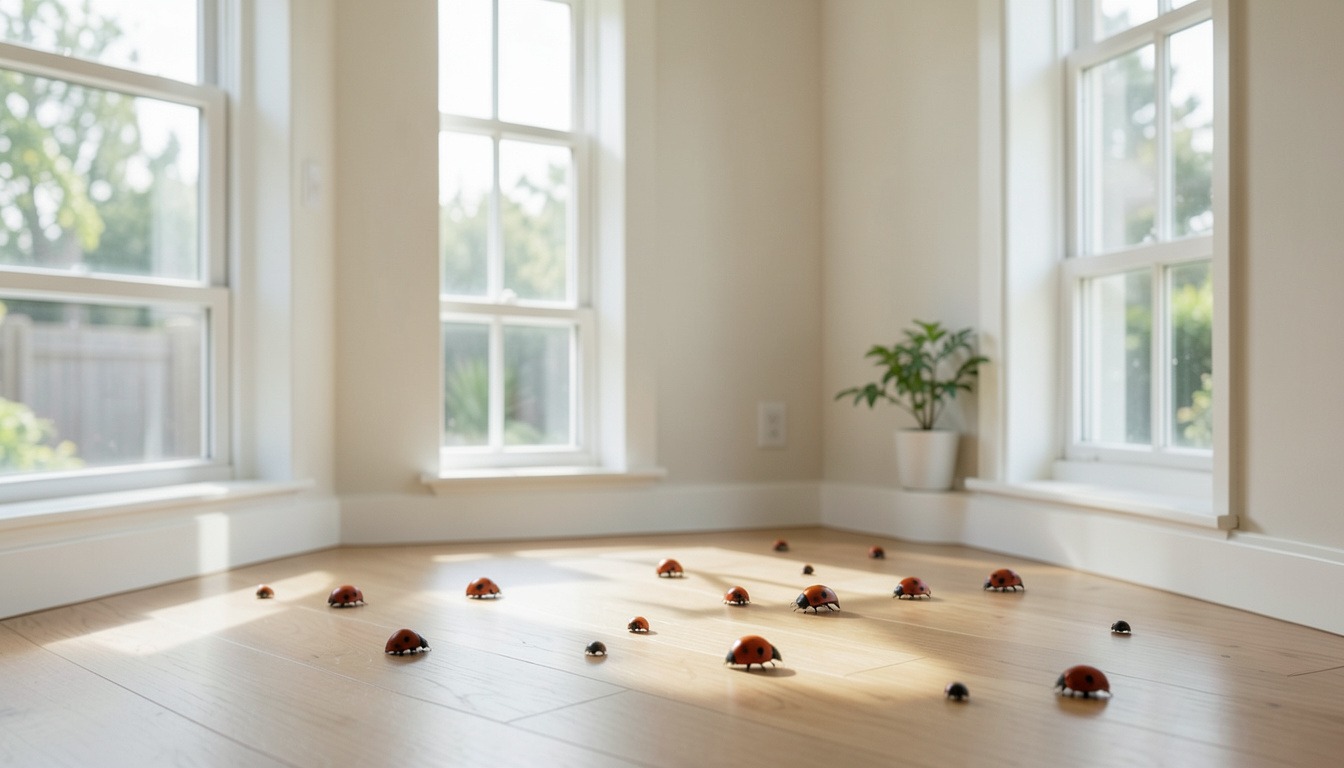
Addressing ladybug infestations effectively requires understanding both removal techniques and preventive measures. By focusing on effective DIY methods and avoiding common mistakes, homeowners can manage these invaders more efficiently.
Effective DIY Removal Techniques
1. Vacuuming: Use a vacuum cleaner with a stocking or cloth inserted in the hose. This allows for gentle removal while preventing damage to the ladybugs. Once outside, open the vacuum to release them safely.
2. Soap and Water Solution: Mix a small amount of dish soap with water in a spray bottle. Lightly mist the ladybugs to immobilize them, making for easier collection without harm.
3. Light Traps: Set up light traps near areas where ladybugs congregate. They are attracted to light, and this method can help capture them effectively.
4. Seal Entry Points: Inspect your home for cracks and gaps. Caulk or seal any openings to prevent future entries. This proactive approach is crucial for long-term management.
When to Call a Professional Pest Control Service
If your infestation is extensive or if you are dealing with Asian lady beetles, which can behave differently, consider professional help. Signs that warrant a call include:
- A significant number of ladybugs (hundreds or thousands).
- Recurring infestations despite DIY methods.
- Allergic reactions in household members.
Mistakes to Avoid During Removal
1. Crushing Ladybugs: Crushing can leave stains and odors, complicating cleanup efforts. Always opt for gentle removal methods.
2. Ignoring Prevention: Failing to seal entry points after removal efforts can lead to recurring infestations. Make this a priority to avoid future issues.
3. Misidentifying Species: Confusing ladybugs with Asian lady beetles can lead to inappropriate removal strategies. Proper identification is essential for effective management.
Quick Checklist for Effective Ladybug Management
- [ ] Vacuum ladybugs gently using a stocking.
- [ ] Apply soap and water mist for immobilization.
- [ ] Set light traps in affected areas.
- [ ] Seal all cracks and gaps in windows, doors, and walls.
- [ ] Monitor for signs of allergies in family members.
By implementing these strategies, homeowners can better manage ladybug infestations and minimize their presence in the home. If you need a humane solution for removal, consider using a Ladybug Removal Kit. Check Price on Amazon.
Preventive Measures to Keep Ladybugs Out

To reduce the likelihood of ladybugs entering your home, focus on sealing potential entry points and creating an environment that deters them. By taking proactive measures, you can make your home less inviting to these insects.
Sealing Cracks and Gaps
Ladybugs often enter homes through small cracks and gaps. Sealing these entry points effectively can significantly reduce their access.
1. Inspect Your Home:
- Check windows, doors, and siding for any visible cracks.
- Pay attention to areas around vents and utility openings.
2. Use Caulk:
- Fill small cracks with high-quality silicone or acrylic caulk.
- Ensure a smooth application for a tight seal.
3. Weather Stripping:
- Install weather stripping on doors and windows to block potential entry.
- Make sure it fits snugly and is in good condition.
4. Repair Screens:
- Ensure that window and door screens are free of holes.
- Replace any damaged screens to prevent access.
Using Natural Repellents
Natural repellents can help deter ladybugs from seeking shelter in your home.
- Citrus Oil:
- Mix citrus essential oils with water in a spray bottle.
- Spray around entry points, as ladybugs dislike the scent.
- Vinegar Solution:
- Combine equal parts vinegar and water.
- Spray this mixture around windows and doors.
Landscaping Adjustments to Deter Ladybugs
Your home’s exterior can either attract or repel ladybugs. Adjust your landscaping to create an inhospitable environment.
- Maintain Siding:
- Keep your home’s siding in good condition.
- Repair any peeling or cracking areas that could harbor ladybugs.
- Trim Vegetation:
- Keep plants trimmed back from the house.
- Create a buffer zone to reduce ladybug attraction.
- Avoid Light-Colored Surfaces:
- Ladybugs are drawn to light-colored surfaces.
- Consider painting or covering bright exterior elements to minimize attraction.
By implementing these sealing techniques and adjustments, homeowners can effectively prevent ladybug entry, creating a more comfortable living environment.
Cultural Significance and Benefits of Ladybugs
Ladybugs hold a special place in various cultures, often symbolizing good fortune and agricultural success. Beyond their cultural significance, they play an essential role in pest control, making them beneficial insects for gardens and homes alike.
Symbolism of Ladybugs Across Cultures
In many societies, ladybugs are seen as harbingers of good luck. For instance:
- Europe: In European folklore, it is believed that if a ladybug lands on you, it brings good fortune and blessings.
- China: Ladybugs are associated with love and happiness. Their appearance is thought to herald joyful news.
- Native American Tribes: Some tribes regard ladybugs as protective spirits, symbolizing harmony and a bountiful harvest.
These beliefs reflect the ladybug’s positive image, enhancing their appeal to homeowners who encounter them.
Ecological Role in Pest Control
Ladybugs are more than just lucky charms; they are vital players in maintaining ecological balance. Their primary diet consists of pests, particularly aphids, which can damage gardens and crops.
- A single ladybug can consume up to 25 aphids daily.
- Over their lifetime, they may eat around 5,000 aphids.
This natural pest control makes them invaluable to gardeners seeking eco-friendly methods to protect their plants. By allowing ladybugs to thrive, homeowners can reduce reliance on chemical pesticides, contributing to a healthier environment.
Why Ladybugs are Considered Good Luck
The perception of ladybugs as symbols of good luck stems from their beneficial contributions to agriculture and gardening. Homeowners often celebrate their presence, believing they signal a healthy ecosystem.
In many cultures, it’s customary to make a wish when a ladybug lands on you. This practice reinforces the idea that ladybugs bring positivity and hope. Their role in pest control further solidifies their reputation, as they help maintain fruitful gardens and thriving plants.
Understanding these cultural significances and ecological benefits can enhance your appreciation for the ladybugs you encounter in your home.
Frequently Asked Questions
These quick answers cover the most common questions about this topic, including key details, practical tips, and common concerns.
What does it mean when ladybugs keep appearing?
When ladybugs appear in your home, it typically means they are seeking warmth and shelter for the winter. This behavior is common in late fall and early winter when temperatures drop. Ladybugs cluster together in protected areas to conserve heat, making homes an attractive refuge.
Is it bad to leave ladybugs in your house?
Generally, ladybugs are not harmful and can even be beneficial as they help control pests like aphids. However, if they are Asian lady beetles, they can become a nuisance, leaving stains and unpleasant odors. If the number of ladybugs is overwhelming, it’s best to remove them to maintain a comfortable living space.
How do you get rid of ladybug infestations?
To get rid of ladybug infestations, start with gentle removal methods. Vacuuming them with a stocking over the hose can help collect them without causing harm. You can also use a soap and water solution to immobilize them for easier collection. If the infestation is extensive, consider calling a pest control professional.
Is it safe to sleep in a room with a ladybug?
Yes, it is generally safe to sleep in a room with a ladybug. They are not known to bite or transmit diseases to humans. However, if you have a significant number of ladybugs or Asian lady beetles, their presence might be bothersome due to potential odors or staining.
How can I get rid of Asian ladybugs in my house?
To remove Asian ladybugs, use similar methods as for regular ladybugs, such as vacuuming or using a soap solution. It’s crucial to seal entry points in your home to prevent their return. If they are numerous, professional pest control services may be necessary, as they can provide targeted treatments.
Why are there so many ladybugs in my house this spring?
In spring, ladybugs may emerge from their winter hiding spots as temperatures rise. They are often drawn to sunny areas in homes, especially if they have found shelter during the colder months. This seasonal behavior can lead to increased sightings indoors as they seek warmth and food sources.
What are common mistakes in ladybug removal?
One common mistake is crushing ladybugs, which can cause stains and odors. Additionally, failing to seal entry points after removal can lead to recurring infestations. Misidentifying Asian lady beetles as harmless ladybugs can also result in ineffective management strategies, so proper identification is key.
What are natural alternatives to chemical pest control for ladybugs?
Natural alternatives include using essential oils, such as citrus, to repel ladybugs. A vinegar solution can also deter them when sprayed around entry points. Additionally, creating a less attractive environment by sealing cracks and maintaining your home’s exterior can significantly reduce their appeal.