
When five helicopters fly together, it typically indicates a coordinated military operation, law enforcement activity, or a significant civilian event, requiring teamwork and strategic planning among the aircraft involved.
Seeing five helicopters in the sky can be an unusual sight, often signaling a planned operation rather than a random occurrence. The specific meaning can vary greatly depending on the context, such as military, law enforcement, or civilian purposes.
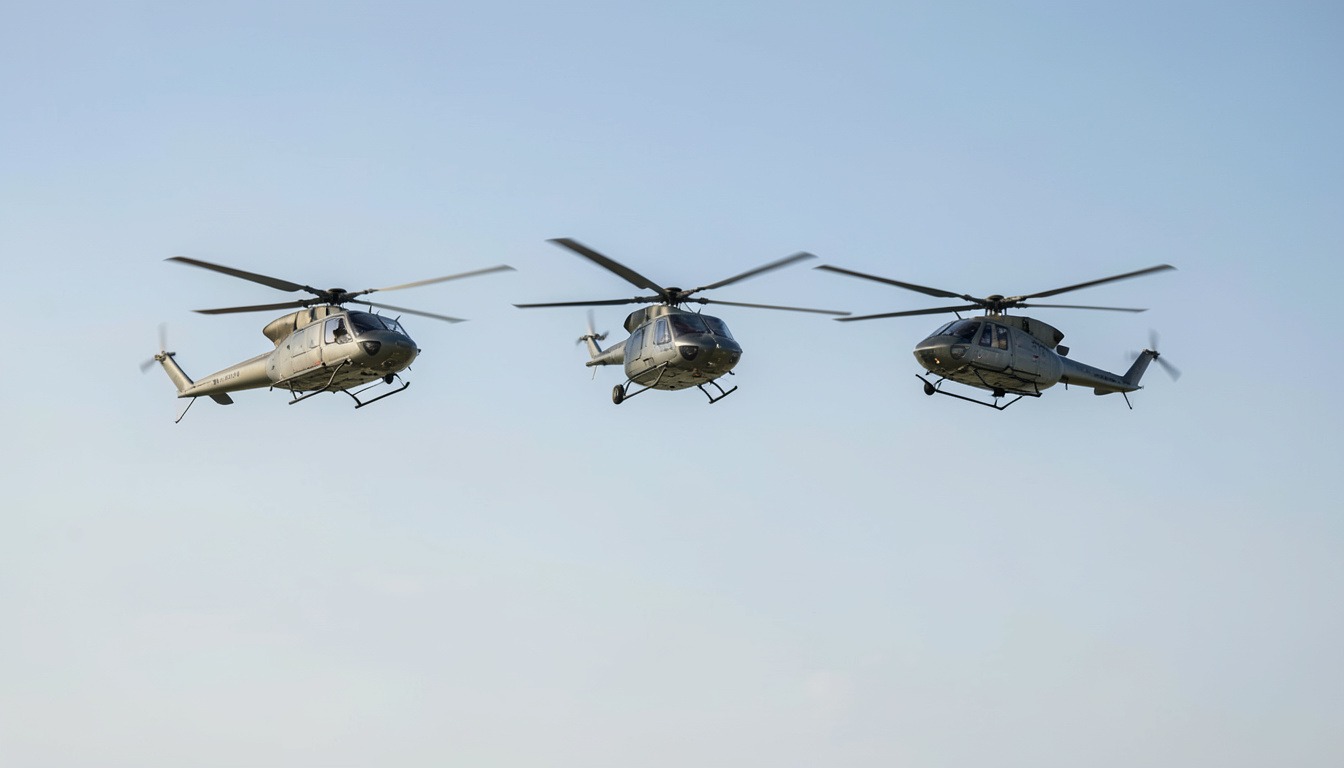
Understanding Helicopter Formations
Helicopter formations are structured arrangements of multiple helicopters flying together. Such formations serve specific operational purposes and are rarely random. Understanding these formations provides insight into the underlying missions and coordination involved.
Definition of Helicopter Formations
A helicopter formation refers to the strategic positioning of multiple helicopters in a coordinated pattern. This arrangement enhances communication, safety, and effectiveness during various operations. Formations can vary significantly based on the mission type—military, law enforcement, or civilian.
Importance of Formation Flying
Formation flying is crucial for several reasons:
- Operational Efficiency: Helicopters flying in formation can cover more ground and enhance situational awareness.
- Safety Protocols: Maintaining a formation helps prevent collisions and allows better communication among pilots.
- Tactical Advantage: In military operations, formations can provide cover for personnel on the ground or serve as decoys.
Examples of Common Helicopter Formations
Helicopters utilize various formations, each tailored to the mission’s needs:
- Line Abreast: Used for surveillance and search missions, allowing wider coverage of an area.
- V-Formation: Effective in search and rescue operations, where visibility and coordination are paramount.
- Box Formation: Often employed in military settings, this formation provides mutual support and defense.
Historical Context of Helicopter Formations
Historically, the use of helicopter formations dates back to their introduction in military operations during the Vietnam War. Helicopters were often deployed in groups to maximize their tactical effectiveness. Over time, law enforcement agencies adopted similar techniques for aerial surveillance and emergency response.
Real-Life Scenarios
Consider a situation where five helicopters are deployed together for a law enforcement operation. This might indicate a high-stakes scenario, such as a manhunt or a large public event requiring aerial support. Eyewitnesses might describe the scene as impressive yet unsettling, highlighting the power and significance of coordinated aerial efforts.
Military Operations Involving Five Helicopters
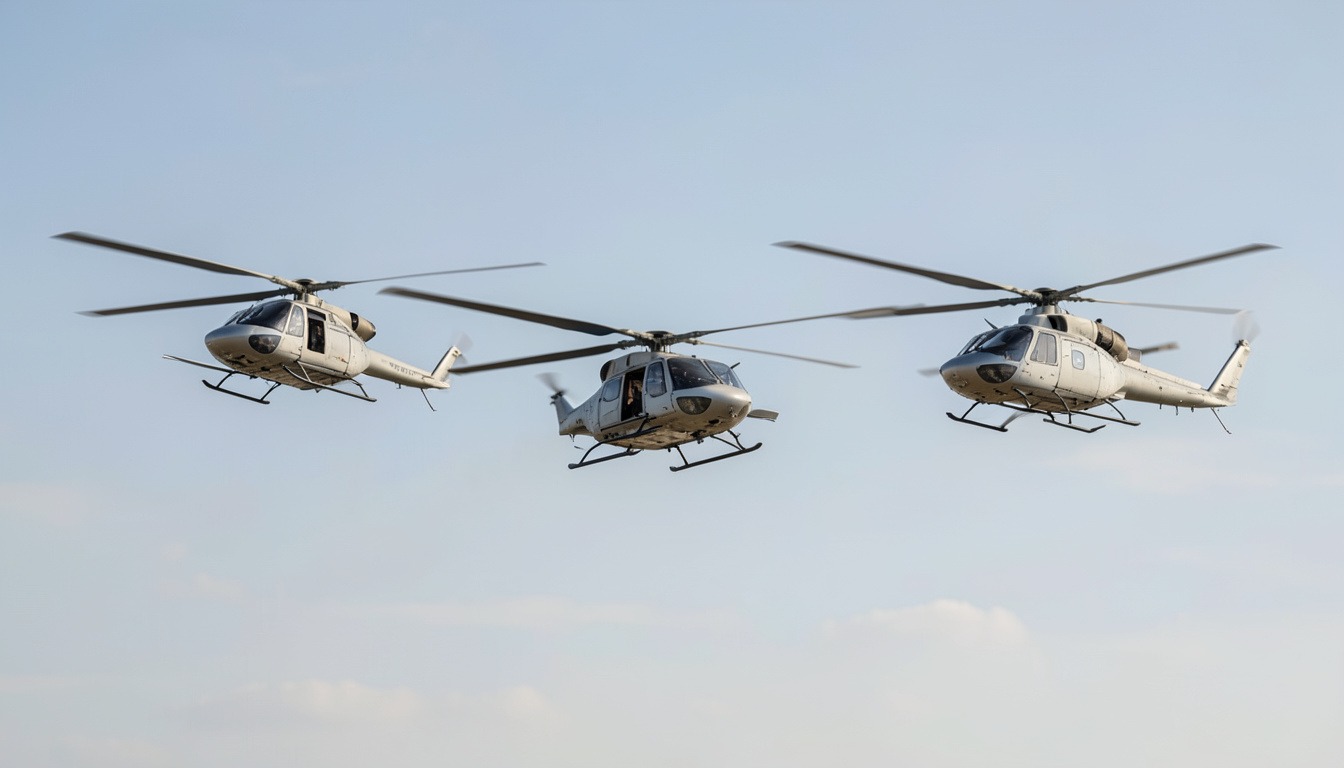
Five helicopters flying together often indicate a planned military operation. These operations can involve training exercises, tactical maneuvers, or coordinated missions. Understanding their context is crucial for interpreting their significance.
Types of Military Missions
Military helicopters are deployed in various missions, including:
- Training Exercises: Helicopters often fly in formation during training to simulate real-world scenarios. This helps pilots improve their coordination and response times.
- Tactical Movements: Five helicopters may be used for troop transport, reconnaissance, or support in combat situations. Their formation ensures coverage and safety.
- Coordinated Missions: Operations involving multiple helicopters often include support for ground troops or aid in search-and-rescue missions.
Coordination and Communication
Effective coordination is vital when flying multiple helicopters. Pilots communicate through radio systems to maintain formation and ensure mission success.
- Formation Flying Techniques: Pilots are trained to fly in specific patterns, such as diamond or line formations, which enhance visibility and tactical advantage.
- Real-Time Adjustments: Communication allows for adjustments in flight paths, especially in dynamic environments where threats may emerge unexpectedly.
Safety Measures in Military Operations
Safety protocols are critical during helicopter operations. These measures include:
- Pilot Training: Extensive training prepares pilots for flying in formation, including emergency procedures and situational awareness.
- Pre-Flight Checks: Before any mission, thorough checks ensure that all helicopters are operational and ready for flight.
Recent military exercises have highlighted the importance of these formations. For instance, during a joint training operation, five helicopters were deployed to simulate a high-stakes extraction mission. This exercise demonstrated the effectiveness of coordinated aerial support and enhanced the operational readiness of the unit involved.
Law Enforcement Activities with Helicopter Formations

Law enforcement agencies often utilize helicopters in formations, especially in groups of five, for various operational purposes. These formations enhance surveillance capabilities, crowd control, and emergency response.
Surveillance and Public Safety
Police helicopters play a vital role in monitoring areas from above. When five helicopters fly together, they can cover larger regions and provide real-time intelligence. This is particularly useful during significant incidents or events.
- Enhanced Coverage: Five helicopters can triangulate locations, improving situational awareness.
- Real-Time Data: Equipped with advanced cameras and sensors, they gather critical information to assist ground units.
- Coordination: Multiple helicopters can communicate and coordinate efficiently, allowing for a rapid response.
Emergency Response Operations
In emergencies, such as natural disasters or public disturbances, helicopter formations ensure swift action. Five helicopters can effectively manage large-scale incidents.
- Rapid Deployment: Helicopters can quickly transport first responders and equipment to critical locations.
- Aerial Support: They provide vital aerial surveillance for search and rescue missions.
- Crowd Control: During large gatherings, such as protests or sporting events, formations can monitor crowd behavior and assist in maintaining order.
Community Impact and Public Perception
The sight of five helicopters can evoke various reactions from the public. Understanding the context can alleviate concerns.
- Increased Security Presence: Many view helicopter formations as a sign of heightened security, which can enhance community safety.
- Public Awareness: Law enforcement often communicates with the community regarding their operations, fostering transparency.
- Case Study: For instance, during a recent high-profile event, five helicopters were deployed to monitor the crowd. Their presence helped ensure public safety and deter potential disturbances. Eyewitness accounts reported a sense of security as the helicopters provided a visible law enforcement presence.
Helicopter formations are not just a spectacle; they serve critical functions in law enforcement operations, directly impacting community safety and response capabilities.
Civilian Uses of Helicopters in Formation

Civilian entities frequently deploy helicopters in formations for various operational needs. These flights serve critical functions in news reporting, emergency medical transport, and public events.
News Coverage and Aerial Reporting
News organizations utilize helicopter formations to cover major events. Five helicopters may be deployed to provide comprehensive aerial views of unfolding stories, such as natural disasters or large public demonstrations. This multi-helicopter approach enhances situational awareness, allowing news crews to relay real-time information to the public.
- Enhanced Coverage: Multiple helicopters can cover different angles of an event, ensuring thorough reporting.
- Coordination: News outlets often collaborate with local law enforcement to ensure safe operations during high-profile events.
Medical Emergencies and Transport
In medical emergencies, formations of helicopters play a vital role in patient transport. Five helicopters might be dispatched simultaneously to multiple locations where patients require urgent care.
- Rapid Response: Coordinated flights enable quick access to patients in critical situations, such as car accidents or mass casualty incidents.
- Resource Allocation: Having multiple helicopters allows for efficient distribution of medical teams and equipment.
Public Events and Displays
During large public events, such as sporting competitions or festivals, helicopter formations are often employed for crowd monitoring and aerial displays. Their presence not only enhances safety but can also provide entertainment.
- Safety Monitoring: Event organizers may use helicopters to monitor crowd dynamics and respond to any emergencies quickly.
- Aerial Displays: Helicopters often perform synchronized maneuvers, captivating audiences and adding excitement to the event.
In summary, the deployment of five helicopters in a civilian context reflects strategic coordination across various sectors. These formations enhance operational efficiency, safety, and public engagement, demonstrating the versatility of helicopter use beyond military and law enforcement applications.
Safety Protocols in Formation Flying
Formation flying involves precise coordination among pilots, requiring a strong emphasis on safety protocols. Pilots undergo rigorous training to manage distances, maintain communication, and ensure operational safety when flying in groups.
Training Requirements for Pilots
Pilots must complete specialized training to fly in formation. This training includes:
- Ground School: Understanding the principles of formation flying, including navigation and emergency protocols.
- Simulator Training: Practicing formation flying techniques in controlled environments to build confidence.
- Flight Training: Gaining hands-on experience with real helicopters under supervision.
Training emphasizes the importance of situational awareness and the ability to respond to dynamic airspace conditions.
Communication Systems Used
Effective communication is crucial for safe formation flying. Pilots rely on:
- Radio Communication: Continuous dialogue between helicopters to adjust positions and share situational updates.
- Visual Cues: Maintaining visual contact with the lead helicopter to adhere to formation standards.
- Advanced Navigation Equipment: Utilizing GPS and other tools to ensure precise tracking and coordination.
These systems foster a cohesive operating environment that minimizes risks associated with flying in close proximity.
Risks and Mitigation Strategies
While formation flying can enhance operational effectiveness, it carries inherent risks. Key risks include:
- Collision Risks: Proximity to other helicopters increases the potential for accidents.
- Weather Conditions: Changes in weather can affect visibility and safety during formation flying.
To mitigate these risks, pilots follow strict protocols:
- Standard Operating Procedures (SOPs): Adhering to established guidelines for formation flying.
- Regular Training Refreshers: Engaging in ongoing training to stay current with best practices.
- Emergency Response Drills: Practicing procedures for potential in-flight emergencies.
For example, during a coordinated military exercise, five helicopters might practice a tactical formation to enhance security for a high-profile event. Each pilot must remain vigilant, communicate effectively, and be prepared to react swiftly to unforeseen circumstances.
Frequently Asked Questions
These quick answers cover the most common questions about this topic, including key details, practical tips, and common concerns.
What does it mean when I see five helicopters flying together?
When five helicopters fly together, it usually indicates a coordinated operation. This could be a military exercise, a law enforcement mission, or a significant civilian event. The presence of multiple helicopters suggests that teamwork and strategic planning are involved, often for purposes like surveillance, crowd control, or emergency response.
Are there specific formations for helicopters?
Yes, helicopters fly in specific formations tailored to their missions. Common formations include line abreast for surveillance, V-formation for search and rescue, and box formation for military support. Each formation enhances safety, communication, and operational efficiency, allowing pilots to coordinate effectively during their missions.
How can I identify the type of helicopter I am seeing?
Identifying a helicopter can be done by observing its shape, size, and color. Military helicopters often have a more rugged design and may be painted in camouflage. In contrast, civilian helicopters typically feature brighter colors and logos. Additionally, you can listen for unique sounds; military helicopters tend to be louder and have distinct rotor noise compared to civilian models.
What should I do if I see helicopters circling?
If you see helicopters circling, it’s best to stay calm and observe. Circling helicopters may indicate a search operation or monitoring of a situation. If you feel concerned or think it might be an emergency, you can check local news sources or social media for updates. Law enforcement agencies often communicate with the public about their operations to provide context.
Why do helicopters often fly in groups?
Helicopters fly in groups for various reasons, including operational efficiency and safety. In military contexts, flying in formation provides tactical advantages and enhances communication among pilots. In law enforcement, multiple helicopters can cover larger areas for surveillance and quick response. Civilian uses, such as news coverage or emergency medical transport, also benefit from the coordination of multiple aircraft.
Is it common for helicopters to fly together for civilian purposes?
Yes, it is common for helicopters to fly together for civilian purposes. They may be deployed for news coverage of major events, emergency medical services, or public safety monitoring during large gatherings. This coordinated effort allows for comprehensive aerial support and enhances overall operational effectiveness.
What are the risks associated with formation flying?
Formation flying carries risks, primarily due to the proximity of helicopters. Collision risks increase, especially in poor weather conditions or when visibility is low. To mitigate these risks, pilots undergo extensive training, adhere to strict protocols, and utilize advanced communication systems to maintain awareness and coordination during flights.
What types of helicopters are typically used in formations?
Various types of helicopters are used in formations, depending on the mission. Military operations often employ helicopters like the Apache or Black Hawk for tactical maneuvers. Law enforcement may use models like the Bell 407 for surveillance, while civilian operations might include the Eurocopter EC135 for medical transport or news coverage. Each type is chosen for its specific capabilities and mission requirements.