
The olive tree symbolizes peace, prosperity, and God’s covenant in the Bible, representing both Israel and the enduring faithfulness of believers throughout scripture.
Throughout the Bible, the olive tree stands as a profound symbol encompassing peace, abundance, and God’s covenant. This article explores its rich significance, drawing on scriptural references and historical contexts to illuminate its importance in faith and spirituality.
The Symbolism of the Olive Tree in the Bible
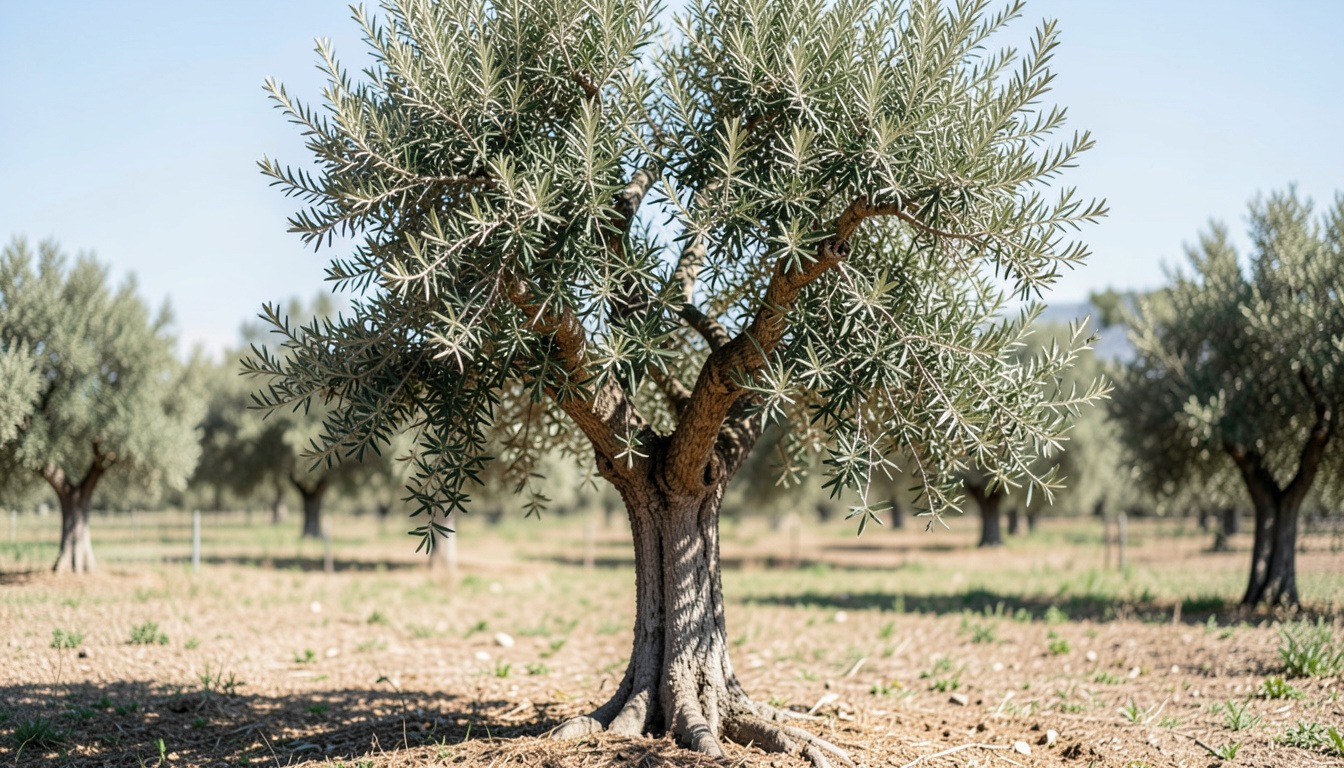
The olive tree holds deep symbolic meaning in biblical texts, representing peace, prosperity, and God’s covenant with His chosen people, Israel. Its significance extends beyond mere botanical references, offering spiritual insights that resonate throughout scripture.
Symbol of Peace and Restoration
The olive tree is predominantly recognized as a symbol of peace. One of the most poignant biblical references is found in Genesis 8:11, where a dove returns to Noah with an olive branch, signifying the end of God’s judgment and the restoration of peace on Earth. This imagery has permeated cultural expressions, reinforcing the olive tree’s association with hope and reconciliation.
- Peace in Times of Struggle: The olive tree also serves as a reminder of God’s enduring presence. During periods of turmoil, its resilience symbolizes the peace that believers can find through faith.
- Meditative Reflection: Each time an olive branch is recognized, it evokes the assurance of God’s promises, encouraging believers to trust in His steadfast love.
Representation of Prosperity and Abundance
In addition to peace, the olive tree embodies prosperity and abundance. It flourishes in the rich soil of Israel, akin to God’s blessings upon His people. The fruit of the olive tree, rich in oil, is a metaphor for nourishment and divine provision.
- Spiritual Nourishment: Just as the olive tree provides sustenance, it reflects how God’s grace nourishes the soul. The anointing oil derived from olives symbolizes the Holy Spirit’s empowerment.
- Covenantal Blessings: The tree’s fruitfulness mirrors God’s promises of abundance to Israel. In Deuteronomy 8:8, the land of promise is described as a land of olive trees, signifying richness and divine favor.
Olive Tree as God’s Covenant with Israel
The olive tree uniquely represents the covenant relationship between God and Israel. Throughout scripture, Israel is depicted as a cultivated olive tree, chosen and nurtured by God.
- Grafting and Inclusion: Romans 11:17-18 illustrates the concept of Gentiles being grafted into this olive tree, showcasing the inclusive nature of God’s covenant. As wild branches are grafted onto the cultivated tree, all believers share in God’s promises.
- Historical Cultivation Practices: In ancient Israel, olive trees were cherished for their longevity and productivity. Farmers meticulously cared for these trees, mirroring God’s dedication to His people. This historical context enhances our understanding of the olive tree’s spiritual significance.
The olive tree’s resilience further emphasizes its role in God’s promises. It thrives in harsh conditions, teaching believers about perseverance in faith. This enduring quality encourages spiritual growth, even in challenging times.
The Olive Tree’s Historical Context and Cultivation
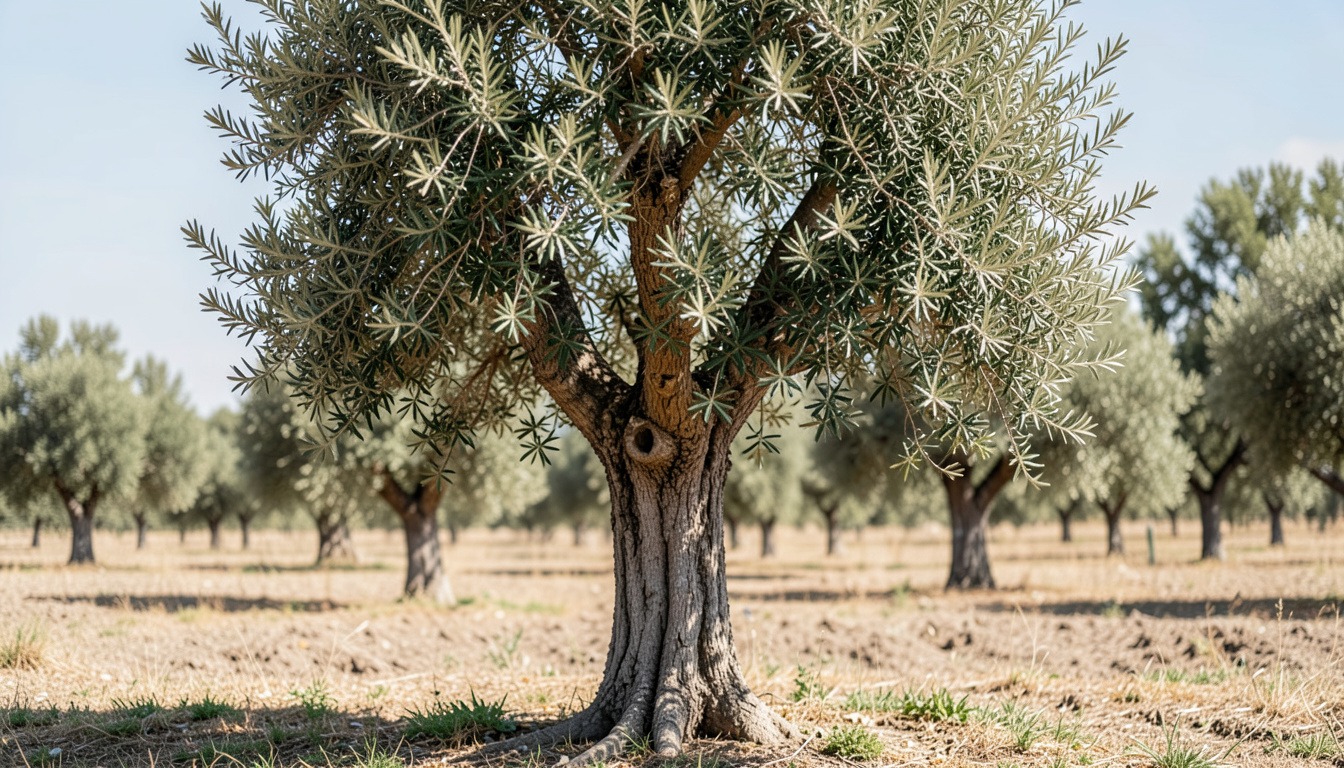
The olive tree holds a significant place in ancient Israel’s economy and culture. Its cultivation was vital for sustenance, trade, and community life, reflecting the deep connection between the people and this revered tree.
Olive Trees in Ancient Israel’s Economy
In ancient Israel, the olive tree was not merely a source of food; it was a cornerstone of the economy. Farmers cultivated these trees for their oil, which served multiple purposes, including:
- Food Preparation: Olive oil was a staple in daily cooking.
- Anointing: Used in religious rituals for anointing kings and priests.
- Lighting: Provided light for homes and places of worship.
The cultivation of olive trees symbolized prosperity and divine blessings, as their abundance indicated God’s favor on the land.
Archaeological Evidence of Olive Cultivation
Archaeological findings bolster our understanding of the olive tree’s significance. Excavations in ancient Israel have uncovered olive presses and storage facilities dating back thousands of years. These discoveries demonstrate:
- Cultural Importance: Olive trees were woven into the fabric of daily life.
- Economic Activity: The presence of olive oil production sites indicates a thriving economy centered around this commodity.
Some olive trees in Israel are estimated to be over a thousand years old, highlighting their resilience and the enduring relationship between the people and this vital resource.
The Role of Olive Oil in Biblical Rituals
Olive oil’s role extended beyond everyday life into the spiritual realm. It was integral in various biblical rituals, such as:
- Sacrificial Offerings: Olive oil was often included in offerings to God.
- Healing: Used for medicinal purposes, olive oil symbolized healing and restoration.
- Symbol of Peace: The olive branch, derived from the tree, became a universal symbol of peace and hope.
These practices underscore the olive tree’s multifaceted significance, representing not only physical sustenance but also spiritual nourishment and divine connection.
In summary, the olive tree’s cultivation in ancient Israel was essential for both the economy and spiritual life, embedding itself deeply in the biblical narrative as a symbol of peace, prosperity, and God’s covenant with His people.
Spiritual Nourishment and the Olive Tree
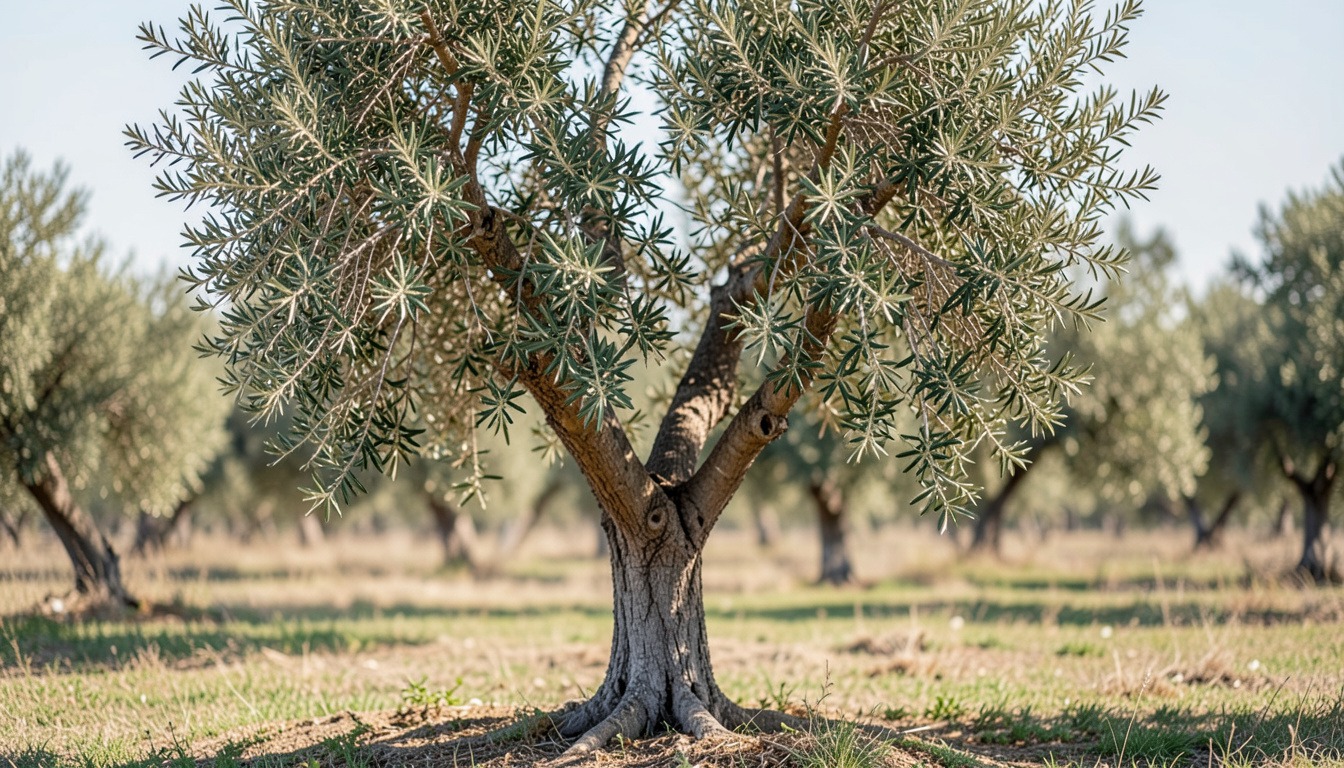
The olive tree serves as a profound symbol of spiritual nourishment in biblical teachings. Its significance extends beyond physical attributes, offering believers deep insights into their faith and relationship with God.
The Olive Tree’s Role in Christian Rituals
In Christian rituals, the olive tree embodies the essence of spiritual nourishment. Olive oil, derived from the tree, is often used in anointing ceremonies. This practice signifies the pouring out of God’s blessings and the impartation of the Holy Spirit.
- Anointing: Olive oil symbolizes healing, protection, and divine favor.
- Communion: The use of olive oil in communion rituals reflects unity in Christ, nourishing the believer’s spirit.
These rituals reinforce the olive tree’s role as a conduit for spiritual vitality and communal connection.
Lessons from the Olive Tree for Modern Believers
The olive tree offers valuable lessons for contemporary believers. Its resilience and adaptability serve as models for spiritual growth. Just as the olive tree endures harsh conditions, believers are called to remain steadfast in their faith.
- Rootedness: Like the olive tree, believers should cultivate deep roots in Scripture and community.
- Fruits of the Spirit: The tree’s ability to produce olives symbolizes the fruits of the Spirit—love, joy, peace, patience, and kindness. Believers are encouraged to embody these qualities in their daily lives.
- Symbol of Hope: The olive branch is a reminder of God’s promises. When facing challenges, believers can draw strength from this symbol.
By reflecting on these lessons, believers can enhance their spiritual lives and contribute positively to their communities.
Grafting: Unity of Believers in Christ
Grafting is a significant biblical metaphor associated with the olive tree. In Romans 11, Paul describes Gentile believers as being grafted into the cultivated olive tree, representing Israel. This act symbolizes unity and inclusion in God’s covenant.
- Diversity in Unity: Grafting illustrates how diverse believers can come together as one body in Christ.
- Shared Blessings: All believers, regardless of background, share in the spiritual nourishment and blessings of God’s promises.
This metaphor emphasizes the interconnectedness of faith and the importance of community in spiritual growth. It invites believers to reflect on their role in fostering unity and support within their congregations.
Common Misconceptions about the Olive Tree’s Meaning
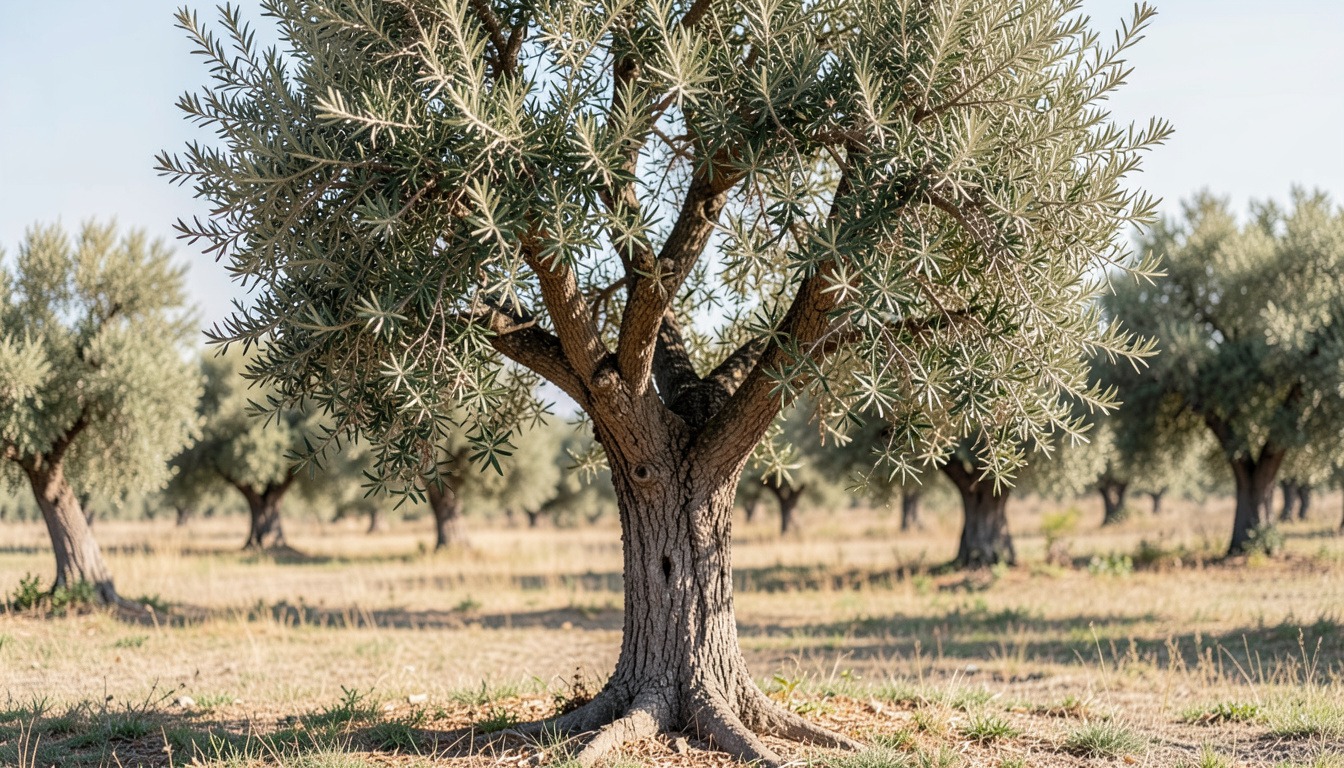
The olive tree holds profound symbolism in the Bible, yet misunderstandings persist about its significance. Clarifying these misconceptions can enhance our understanding of its biblical interpretation.
Clarifying Misinterpretations
One common misconception is that the olive tree solely represents peace. While it is indeed a symbol of peace, particularly illustrated by the dove in Noah’s story, it also signifies prosperity and God’s covenant with His people. The olive tree embodies a broader spiritual landscape, including themes of faithfulness and divine blessing.
The Olive Tree versus Other Biblical Symbols
The olive tree is often compared to other biblical plants, such as the fig tree or the vine. However, each carries distinct meanings:
- Olive Tree: Symbolizes peace, prosperity, and God’s covenant.
- Fig Tree: Represents Israel’s spiritual state and the consequences of unfaithfulness.
- Vine: Reflects the relationship between Christ and His followers, emphasizing growth and connection.
Understanding these differences helps clarify the unique role of the olive tree in biblical narratives.
Addressing Doubts about Olive Tree References
Some may question the relevance of olive tree references in today’s spiritual context. The olive tree is not merely an ancient symbol; it serves as a reminder of God’s promises. For instance, when believers partake in communion, they may recall the olive’s role in anointing and blessing, linking them to God’s covenant.
Consider this scenario: In a moment of doubt, reflecting on the olive tree can provide spiritual comfort. Just as the tree thrives in adversity, believers are encouraged to remain steadfast in faith. This connection reinforces the olive tree’s ongoing significance in modern spiritual practices.
The Olive Tree in Contemporary Faith Practices
The olive tree’s symbolism resonates deeply within modern Christian practices. Its rich biblical meaning continues to inspire worship and daily life among believers.
Olive Tree as a Symbol in Worship
The olive tree often represents peace, blessings, and God’s covenant during worship. Many congregations incorporate olive branches into their rituals, particularly during services that focus on reconciliation and unity. This practice echoes the biblical stories where the olive branch symbolizes hope and renewal.
- Anointing Oil: Olive oil is used in sacraments and healing services, symbolizing the Holy Spirit’s presence.
- Communion: The olive tree’s fruit, the olive, reminds believers of Christ’s sacrifice, connecting them to the enduring covenant with God.
Personal Reflections on Olive Tree Significance
Many modern Christians share personal testimonies about the olive tree’s impact on their faith. These reflections often highlight its role as a source of spiritual nourishment and resilience.
- Strength in Trials: Just as the olive tree withstands harsh conditions, believers find strength in their faith during difficult times. This metaphor serves as a reminder to trust in God’s plan.
- Growth in Faith: Followers express how the olive tree’s longevity inspires them to grow spiritually. They often liken their journey to the tree’s enduring life cycle.
The Olive Tree in Community and Culture
The olive tree also holds significance beyond individual faith, influencing community practices and cultural identity.
- Cultural Celebrations: Olive trees are often featured in festivals and communal events, symbolizing prosperity and abundance.
- Charitable Acts: Many churches organize olive tree planting events to foster community spirit and environmental stewardship, reinforcing the tree’s biblical symbolism of sustenance and care.
In integrating the olive tree’s symbolism, modern faith practices enrich both personal spirituality and communal identity.
Frequently Asked Questions
These quick answers cover the most common questions about this topic, including key details, practical tips, and common concerns.
What is the spiritual meaning of the olive tree?
The olive tree symbolizes spiritual nourishment, resilience, and God’s covenant with His people. In biblical contexts, it represents peace, prosperity, and divine blessings. Its longevity and ability to thrive in harsh conditions serve as a metaphor for enduring faith and the sustenance believers receive from God.
How does the olive tree symbolize God’s covenant?
The olive tree is a powerful symbol of God’s covenant with Israel. It represents the relationship between God and His chosen people, illustrating their nurturing and care. In Romans 11, believers are depicted as being grafted into this olive tree, emphasizing inclusion in God’s promises and the unity of all believers in Christ.
Why is the olive tree significant in the Bible?
The olive tree holds significance in the Bible as a symbol of peace, prosperity, and God’s faithfulness. It appears in key narratives, such as the dove bringing an olive branch to Noah, symbolizing the end of judgment and the restoration of peace. Additionally, its fruitfulness reflects God’s blessings and the richness of the land promised to Israel.
What Bible verses reference the olive tree?
Several Bible verses reference the olive tree, highlighting its importance. Notable examples include Genesis 8:11, where the olive branch signifies peace, and Psalm 52:8, which uses the olive tree to symbolize flourishing in God’s presence. Other references can be found in Romans 11, which discusses the grafting of believers into the olive tree.
How is the olive tree used in biblical rituals?
In biblical rituals, olive oil derived from the olive tree plays a crucial role. It is used for anointing kings and priests, symbolizing divine favor and the presence of the Holy Spirit. Olive oil also features in sacrificial offerings and healing practices, reinforcing the tree’s connection to spiritual nourishment and blessing.
What does the olive tree symbolize in Psalm 52:8?
In Psalm 52:8, the olive tree symbolizes flourishing and stability in God’s presence. The psalmist compares the righteous to a green olive tree, indicating vitality and blessings that come from a faithful relationship with God. This imagery emphasizes the idea of spiritual growth and the rewards of living in accordance with God’s will.
Which generation will not pass away?
In the context of biblical prophecy, the phrase refers to the generation that witnesses the signs of the end times, as mentioned in Matthew 24:34. This generation will see the fulfillment of God’s promises and the establishment of His kingdom. It underscores the urgency of remaining faithful and vigilant in one’s spiritual journey.
How does the olive tree symbolize peace in the Bible?
The olive tree symbolizes peace primarily through its association with the olive branch brought back by the dove to Noah, indicating the end of God’s judgment. This imagery has transcended biblical texts, making the olive branch a universal symbol of peace and reconciliation. The resilience of the olive tree also serves as a reminder of the peace believers can find through faith in challenging times.