
In biblical terms, the vine symbolizes the relationship between God and His people, representing spiritual growth and fruitfulness, with Israel depicted as God’s vineyard and Jesus as the true vine, emphasizing the importance of abiding in Him.
The vine holds profound significance in biblical scripture, embodying themes of growth, connection, and spiritual fruitfulness. Understanding its biblical meaning sheds light on the relationship between God, Israel, and believers, particularly through the teachings of Jesus.
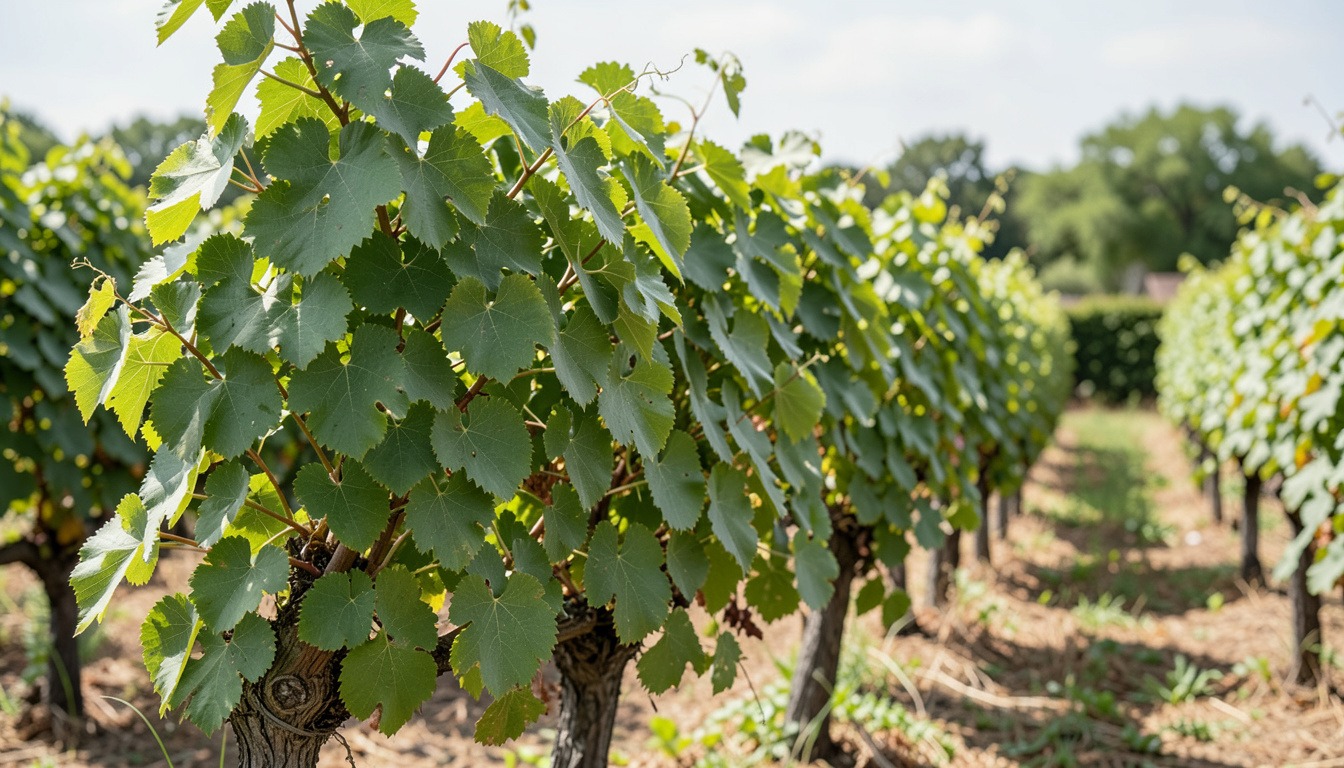
The Symbolism of the Vine in the Old Testament
The vine serves as a potent symbol of Israel as God’s chosen people, reflecting divine expectations and the covenant relationship between God and His nation. This metaphor illustrates both the nurturing care bestowed upon Israel and the accountability expected from them.
Israel as God’s Vineyard
In the Old Testament, Israel is frequently depicted as a vineyard. This imagery highlights God’s loving cultivation and the expectation of fruitful obedience. Key scriptural references include:
- Isaiah 5:1-7: This passage presents the “Song of the Vineyard,” where God describes Israel as a well-tended vine, yet it produces wild grapes, symbolizing unfaithfulness and judgment.
- Psalm 80:8-9: Here, Israel is portrayed as a vine brought out of Egypt, emphasizing God’s deliverance and care. The imagery underscores Israel’s privileged status and the responsibility to yield good fruit.
These verses illustrate the deep connection between God and His people. The vine metaphor serves as a reminder of the expectations placed upon Israel to live righteously, reflecting God’s character.
The Significance of Fruitfulness
Fruitfulness is a central theme in the vine metaphor. It signifies not only physical abundance but also spiritual vitality. God desired His people to bear fruit that reflected His righteousness.
- Expectations of Fruitfulness: God expects His people to produce justice, mercy, and faithfulness as part of their covenant relationship.
- Consequences of Unfruitfulness: When Israel fails to meet these expectations, it results in divine judgment, as seen in Isaiah’s portrayal of wild grapes.
This emphasis on fruitfulness highlights the serious nature of Israel’s covenant with God. Just as a vine must produce grapes, Israel was called to demonstrate faithfulness through their actions.
Key Old Testament References
Several key Old Testament passages reinforce the vine’s symbolism and its implications for Israel:
- Ezekiel 15:1-6: This passage compares Israel to a useless vine, emphasizing that without connection to God, they cannot fulfill their purpose.
- Hosea 10:1: In this verse, Israel is described as a luxuriant vine, yet it has become unfruitful, illustrating the need for repentance and restoration.
These references collectively paint a picture of Israel’s identity and calling. The vine serves as a continuous reminder of their dependence on God for sustenance and spiritual health.
Through this lens, one can draw parallels to modern spiritual life. Just as the ancient Israelites were called to be fruitful, contemporary believers are invited to reflect on their own spiritual growth and community contributions, nurturing their connection to God and one another in the process.
Jesus as the True Vine in the New Testament
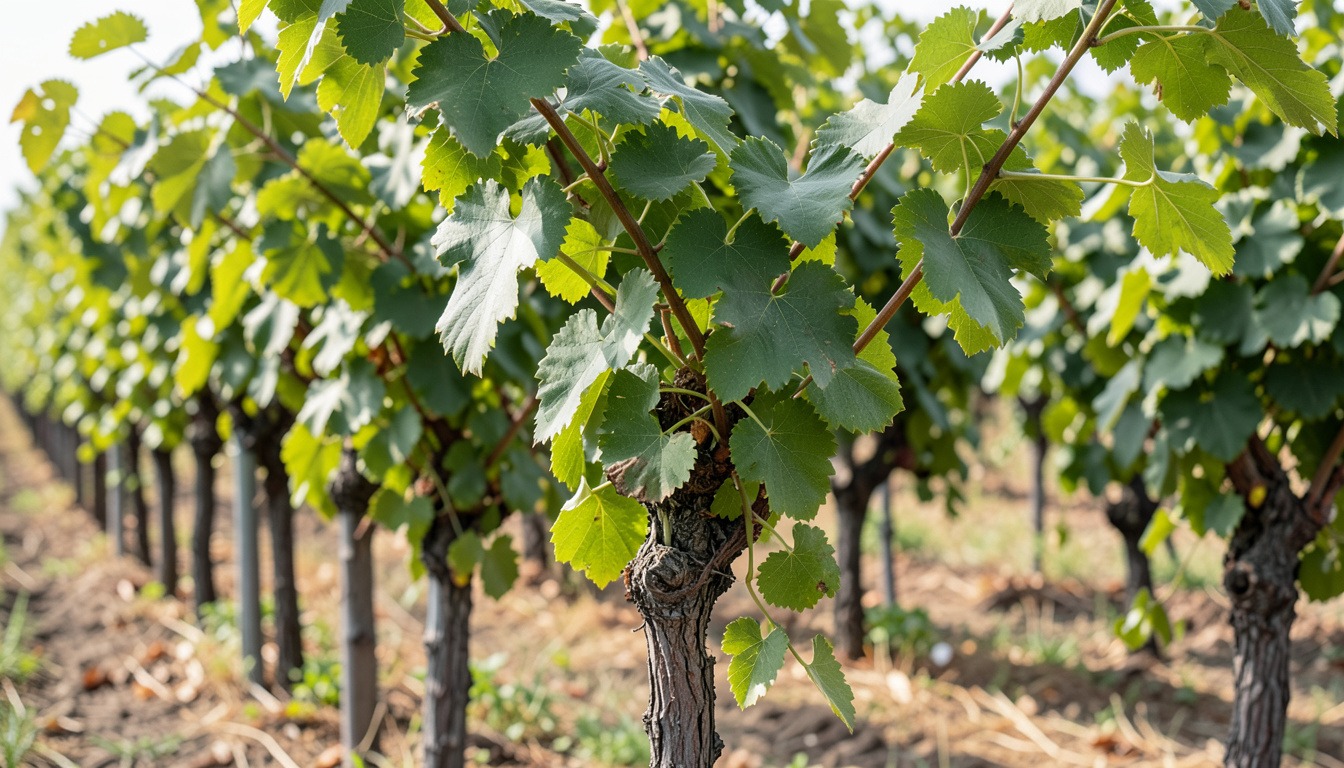
In the New Testament, Jesus declares Himself as the True Vine, a profound metaphor that reshapes the understanding of spiritual connection and fruitfulness. This declaration emphasizes His role as the source of spiritual life, contrasting the previous portrayal of Israel as God’s vine.
The Teaching in John 15
In John 15:1, Jesus states, “I am the true vine, and my Father is the gardener.” This statement carries deep implications for believers:
- Source of Life: Jesus positions Himself as the essential source of spiritual nourishment. Just as a vine provides sustenance to its branches, Christ supplies spiritual vitality to His followers.
- Dependence: The metaphor stresses that believers must remain connected to Him to bear fruit. This connection is not optional; it is vital for spiritual health and productivity.
- Covenantal Fulfillment: By using the term “true vine,” Jesus implies that He fulfills what Israel could not achieve—perfect obedience and fruitfulness in relation to God.
Abiding in the True Vine
Abiding in the vine involves maintaining an intimate relationship with Christ. This concept is articulated in John 15:4-5:
- Continuous Connection: Abiding means more than mere belief; it requires an ongoing, active relationship characterized by prayer, worship, and obedience.
- Fruitfulness: The result of abiding is spiritual fruitfulness, which can manifest in various forms:
- Character Growth: Development of the fruit of the Spirit (Galatians 5:22-23).
- Good Works: Acts of service that demonstrate faith in action.
- Spiritual Influence: Sharing the gospel and impacting others positively.
Implications for Believers
1. Personal Growth Framework: Believers can evaluate their spiritual lives by assessing their connection to Christ. Regular self-reflection and community involvement can enhance this connection.
2. Church Community: Just as branches rely on the vine, church members are encouraged to support and nurture one another, fostering a vibrant spiritual environment.
3. Contrast with Israel: Where Israel often failed to bear good fruit, Jesus exemplifies perfect faithfulness. This contrast invites believers to reflect on their reliance on Him rather than on their efforts.
Understanding Jesus as the True Vine offers a powerful lens through which believers can view their spiritual journeys. It highlights the necessity of dependence on Christ and the communal aspect of faith, encouraging a vibrant and fruitful relationship with God.
Spiritual Implications of Abiding in the Vine
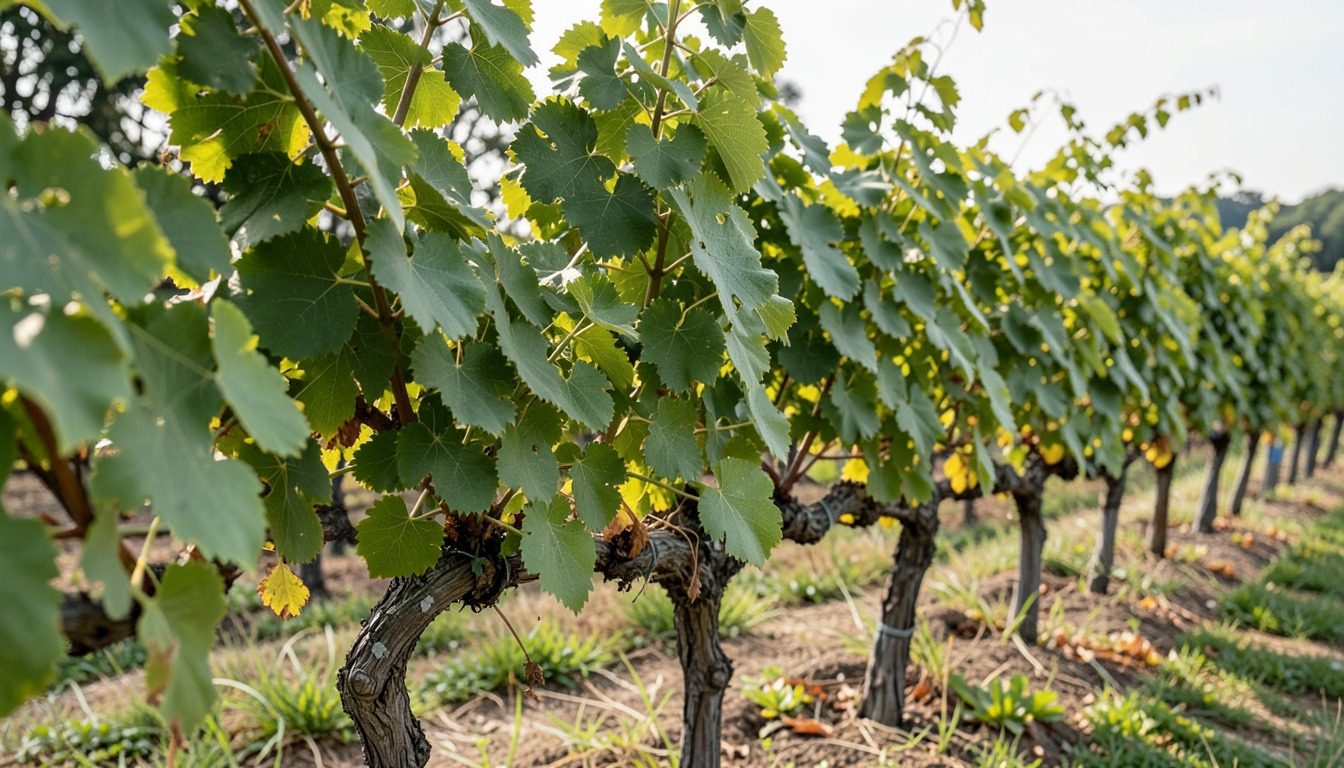
Abiding in Christ is central to understanding the biblical meaning of the vine. It signifies a deep, ongoing relationship that influences every aspect of a believer’s spiritual life. This connection is vital for spiritual growth and fruitfulness.
What Does It Mean to Abide?
To abide means to remain in close fellowship with Christ. This involves:
- Continuous Connection: Just as branches draw life from the vine, believers draw spiritual sustenance from Jesus.
- Active Participation: Abiding is not passive. It requires engagement through prayer, obedience, and meditation on Scripture.
- Trust and Dependence: Believers rely on Christ for strength and guidance, acknowledging that apart from Him, they can do nothing.
The Fruit of the Spirit
The outcome of abiding in the vine is the production of spiritual fruit. This fruit manifests in various forms:
- Character Transformation: Traits like love, joy, peace, patience, kindness, and self-control emerge as believers remain connected to Christ (Galatians 5:22-23).
- Good Works: Actions that reflect God’s love and righteousness are the natural result of a vibrant spiritual life.
- Disciple-Making: As believers bear fruit, they are called to share the Gospel and make disciples, expanding God’s Kingdom.
Practical Applications for Today
Understanding the metaphor of the vine can transform how believers approach their spiritual lives. Here are practical applications:
- Regular Reflection: Evaluate your spiritual practices. Ask yourself how often you engage with Scripture or prayer. A simple checklist can help:
- Do you set aside time for daily prayer?
- Are you involved in a community that encourages spiritual growth?
- How often do you reflect on your relationship with Christ?
- Seek Accountability: Join a small group or find a mentor who can encourage you in your walk with God. Mutual support fosters deeper connections and spiritual growth.
- Embrace Pruning: Recognize that challenges and trials can be part of God’s process to help you grow. Reflect on areas in your life that need adjustment or surrender for greater fruitfulness.
By integrating these practices, believers can evaluate their own abiding in Christ and assess their spiritual fruitfulness. The vine metaphor serves as a reminder to stay connected, support one another, and continuously cultivate a thriving relationship with God.
Common Misunderstandings About the Vine Metaphor
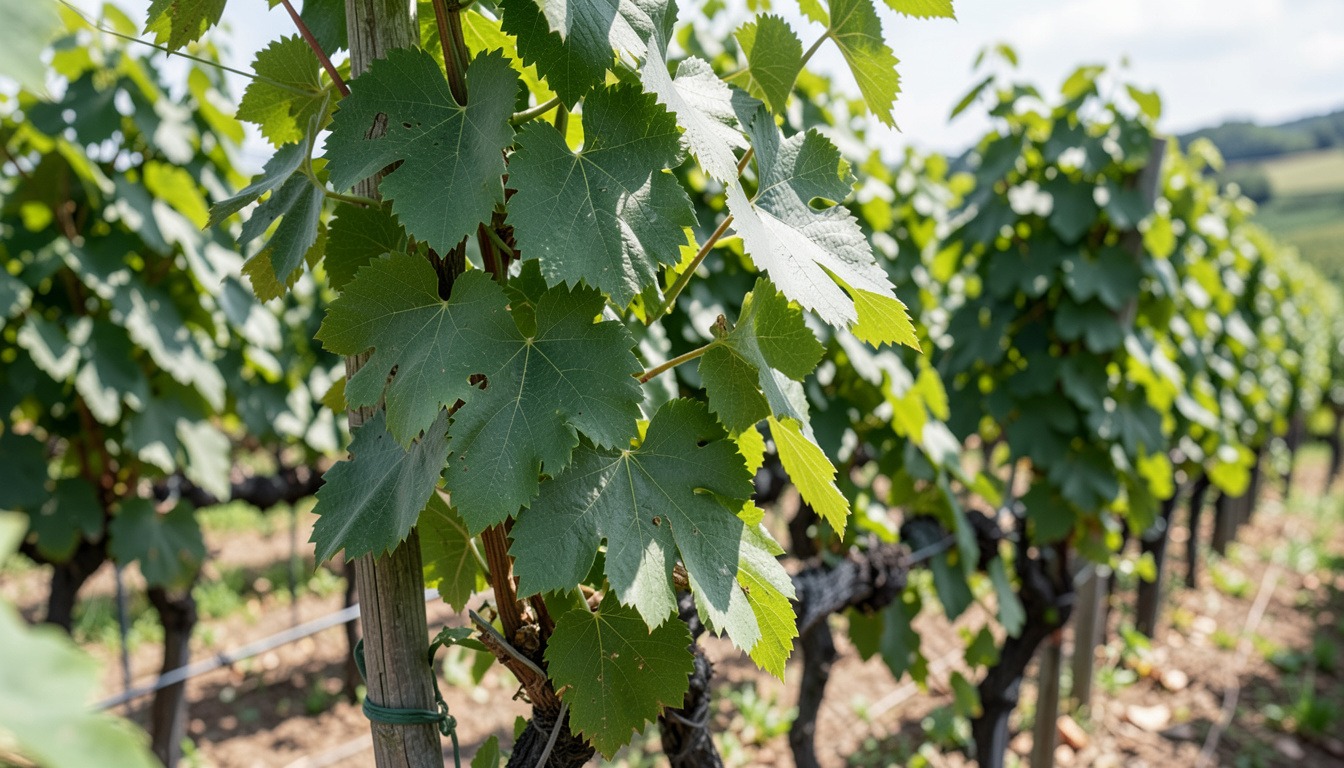
The vine metaphor in the Bible carries profound spiritual significance, yet it is often misunderstood. Clarity on these misconceptions can deepen our understanding of our relationship with God.
Misconception: The Vine is Just an Agricultural Symbol
While the vine indeed has agricultural roots, its biblical meaning extends far beyond farming. In Scripture, the vine symbolizes a deeper connection between God and His people.
- Israel as God’s Vine: In the Old Testament, Israel is depicted as a vine planted by God, reflecting their covenant relationship (Isaiah 5:1-7).
- Jesus as the True Vine: In the New Testament, Jesus declares Himself the true vine, highlighting that spiritual life and growth come exclusively from Him (John 15:1).
Misconception: Abiding Means Passive Faith
Another common misunderstanding is that “abiding” in Christ is a passive act. In reality, abiding involves active participation in the relationship.
- Engagement Required: Abiding means regularly engaging in prayer, studying Scripture, and obeying God’s commands. It requires a conscious effort to stay connected to Him.
- Results of Abiding: Spiritual fruitfulness—evident in love, joy, and good works—flows from this active connection (John 15:5).
Clarifying the True Meaning
To accurately grasp the vine metaphor, consider these key points:
- Spiritual Connection: The vine represents the essential life-giving connection between believers and Christ. Without this connection, spiritual growth is impossible.
- Historical Context: Understanding the cultural significance of vineyards in ancient Israel enhances our appreciation of the metaphor. Vineyards were central not only to the economy but also to social and religious life.
Checklist for Understanding the Vine Metaphor
- Define the Vine: Recognize it as a symbol of spiritual connection and fruitfulness.
- Analyze Old Testament Usage: Explore how Israel is portrayed as God’s vineyard.
- Examine Jesus as the True Vine: Understand His role as the source of spiritual nourishment.
- Consider the Implications of Abiding: Reflect on what it means to maintain an active relationship with Christ.
- Understand Historical Context: Appreciate the cultural significance of vineyards in biblical times.
- Identify Practical Applications: Think of ways to apply the vine metaphor in modern spirituality.
- Address Common Misunderstandings: Be aware of misconceptions and clarify them for deeper insight.
By critically assessing these points, believers can enrich their understanding of the vine metaphor and its application in their spiritual lives.
Comparison of the Vine with Other Biblical Metaphors
The vine serves as a profound metaphor in Scripture, representing spiritual connection and growth. To deepen our understanding, we can compare the vine symbolism with other significant biblical metaphors.
Vine vs. Olive Tree
- Symbolism: The olive tree symbolizes peace and anointing. It represents God’s covenant with Israel, much like the vine signifies God’s nurturing relationship with His people.
- Spiritual Life: While the vine emphasizes dependence for spiritual fruitfulness, the olive tree reflects the idea of being rooted in God’s provision and blessing.
- Cultural Context: Olive oil was essential in ancient Israel for rituals and daily life, similar to how wine from the vine was integral to celebrations and religious ceremonies.
Vine vs. Bread of Life
- Symbolism: Bread symbolizes sustenance and life. Jesus refers to Himself as the Bread of Life, indicating He fulfills spiritual hunger.
- Spiritual Life: The vine focuses on the relationship between Christ and believers, while bread emphasizes Jesus as the essential source of spiritual nourishment and fulfillment.
- Application: Just as believers partake of bread for physical sustenance, they must abide in the vine for spiritual vitality, highlighting the interconnectedness of these metaphors.
Vine vs. Living Water
- Symbolism: Living water represents the Holy Spirit and eternal life. It signifies refreshment and renewal in spiritual life.
- Spiritual Life: The vine illustrates growth through connection with Christ, whereas living water emphasizes continual refreshment and the quenching of spiritual thirst.
- Illustration: Both metaphors underscore essential needs—life from the vine and satisfaction from living water—depicting different aspects of the believer’s relationship with God.
Comparative Insights
| Metaphor | Key Focus | Spiritual Implication |
|---|---|---|
| Vine | Connection and fruitfulness | Believers draw life from Christ for growth |
| Olive Tree | Peace and anointing | Rootedness in God’s blessings |
| Bread of Life | Sustenance and fulfillment | Essential for spiritual nourishment |
| Living Water | Refreshment and renewal | Quenching spiritual thirst |
This comparative analysis helps illuminate the rich tapestry of biblical metaphors, enhancing our understanding of the vine’s significance in spiritual life. By exploring these symbols, believers can better grasp the diverse ways God communicates His relationship with humanity.
Frequently Asked Questions
These quick answers cover the most common questions about this topic, including key details, practical tips, and common concerns.
What do vines symbolize spiritually?
Vines symbolize spiritual growth, connection, and fruitfulness in the Bible. They represent the relationship between God and His people, illustrating how believers depend on God for sustenance and spiritual vitality. Just as a vine nourishes its branches, God nurtures His people, expecting them to produce good fruits like love, kindness, and faithfulness.
What is the meaning of vine in Hebrew?
In Hebrew, the word for vine is “gefen” (גפן). This term is often used in the context of vineyards and symbolizes not only physical sustenance but also spiritual significance. It highlights the covenant relationship between God and Israel, where Israel is depicted as a vine that should bear righteous fruit in accordance with God’s expectations.
Why did Jesus call himself a vine?
Jesus called Himself the “True Vine” to emphasize His role as the source of spiritual life and nourishment. In John 15, He contrasts Himself with Israel, which often failed to produce good fruit. By identifying as the True Vine, Jesus invites believers to abide in Him for spiritual growth, highlighting the necessity of maintaining a close relationship with Him to bear fruit.
How does the vine metaphor apply to modern believers?
The vine metaphor encourages modern believers to cultivate a deep, ongoing relationship with Christ. Just as branches draw life from the vine, believers are invited to remain connected to Jesus through prayer, worship, and obedience. This connection fosters spiritual growth and enables them to produce good works that reflect God’s character in their lives.
What are some key biblical passages about the vine?
Key biblical passages about the vine include Isaiah 5:1-7, which depicts Israel as a vineyard that produces wild grapes, representing unfaithfulness. In the New Testament, John 15:1-8 outlines Jesus as the True Vine, emphasizing the importance of abiding in Him to bear fruit. These passages illustrate the significance of the vine metaphor throughout Scripture.
What lessons can we draw from the vine’s symbolism?
The vine’s symbolism teaches several important lessons: the necessity of staying connected to Christ for spiritual growth, the importance of bearing fruit that reflects God’s love and righteousness, and the call to support one another in faith. By understanding this metaphor, believers can evaluate their spiritual lives and seek to cultivate fruitful relationships with God and others.
How can understanding the vine enhance spiritual growth?
Understanding the vine enhances spiritual growth by highlighting the importance of abiding in Christ. It encourages believers to actively engage in their faith through prayer, study, and community involvement. By recognizing their dependence on Jesus, believers can cultivate a vibrant spiritual life that produces lasting fruit, benefiting both themselves and those around them.