
The phrase ‘poor in spirit’ refers to recognizing one’s spiritual poverty and dependence on God, as taught by Jesus in Matthew 5:3, indicating humility and the need for divine grace.
In the Sermon on the Mount, Jesus introduced the Beatitude, ‘Blessed are the poor in spirit,’ highlighting a profound spiritual truth. This teaching invites us to explore our need for God and the blessings associated with humility.

Defining ‘Poor in Spirit’ and Its Biblical Context
The phrase “poor in spirit,” found in Matthew 5:3, encapsulates a vital aspect of Christian humility and dependence on God. This Beatitude, positioned at the beginning of the Sermon on the Mount, lays the foundation for understanding spiritual poverty and the blessings that accompany it.
The Origin of the Phrase in the Beatitudes
In the context of the Beatitudes, “poor in spirit” signifies a profound acknowledgment of one’s spiritual neediness. Jesus uses this term to declare that those who recognize their insufficiency are blessed because they are open to receiving God’s grace. This teaching is pivotal, as it frames the attitudes God values in His kingdom.
Understanding Spiritual Poverty
Being “poor in spirit” does not refer to financial poverty. Instead, it emphasizes a spiritual state characterized by humility and awareness of one’s shortcomings. It means:
- Acknowledging our dependence on God.
- Recognizing our need for His guidance and mercy.
- Embracing a humble heart that seeks divine help.
This attitude aligns with the overarching message of the Beatitudes, which extol the virtues of humility and reliance on God.
The Importance of Humility in Christian Life
Humility is essential to the Christian experience. It fosters a deeper relationship with God and opens the door to His blessings. The following points illustrate its importance:
- Spiritual Growth: A humble spirit invites God’s transformative work in our lives.
- Community Building: Humility fosters unity and compassion among believers.
- Avoiding Self-Righteousness: Recognizing our spiritual poverty prevents us from becoming judgmental or prideful.
Practical Application
To cultivate a “poor in spirit” attitude, consider these actions:
- Reflect on Personal Limitations: Identify areas where you rely on yourself rather than God.
- Engage in Prayer: Regularly seek God’s guidance, acknowledging your need for His wisdom.
- Practice Gratitude: Focus on God’s blessings, reinforcing your dependence on His provision.
By embodying the principle of being “poor in spirit,” individuals can experience the richness of God’s grace and the blessings of His kingdom.
The Blessings of Being Poor in Spirit

Being poor in spirit offers profound blessings that transform our relationship with God and enhance our spiritual journey. Recognizing our spiritual poverty opens the door to God’s grace and the enriching experience of His kingdom.
The Promise of the Kingdom of Heaven
Jesus articulates a powerful promise in Matthew 5:3: “Blessed are the poor in spirit, for theirs is the kingdom of heaven.” This declaration emphasizes that those who acknowledge their spiritual need gain access to God’s kingdom.
- Kingdom Access: The kingdom of heaven symbolizes a realm of divine presence, love, and grace. Those poor in spirit can partake in this kingdom now and in eternity.
- Transformational Impact: This promise not only offers hope but also invites believers to live under God’s rule, characterized by humility and dependence on Him.
Spiritual Growth Through Humility
Embracing humility is essential for spiritual growth. Recognizing our limitations aids in cultivating a deeper faith.
- Dependence on God: Acknowledging our need for God fosters reliance on His strength. This dependence encourages us to seek His guidance and wisdom in all aspects of life.
- Growth Opportunities: Through life’s challenges, individuals often find that their spiritual growth accelerates when they lean into their vulnerability. For instance, a person facing personal loss may discover a renewed understanding of God’s comfort and presence.
Developing a Closer Relationship with God
Being poor in spirit facilitates a more intimate relationship with God. When we approach Him with humility, we open our hearts to His transformative work.
- Prayer and Reflection: Regular prayer helps to deepen this relationship. By confessing our need for His grace, we invite Him into our struggles and triumphs.
- Real-Life Example: Consider a believer who, in moments of doubt, turns to prayer and scripture. This act of seeking leads to revelations about God’s character and His promises, reinforcing their faith and trust in Him.
By embracing the blessings of being poor in spirit, individuals can experience the richness of God’s grace and cultivate a deeper, more meaningful relationship with Him.
Practical Steps to Cultivate Being Poor in Spirit
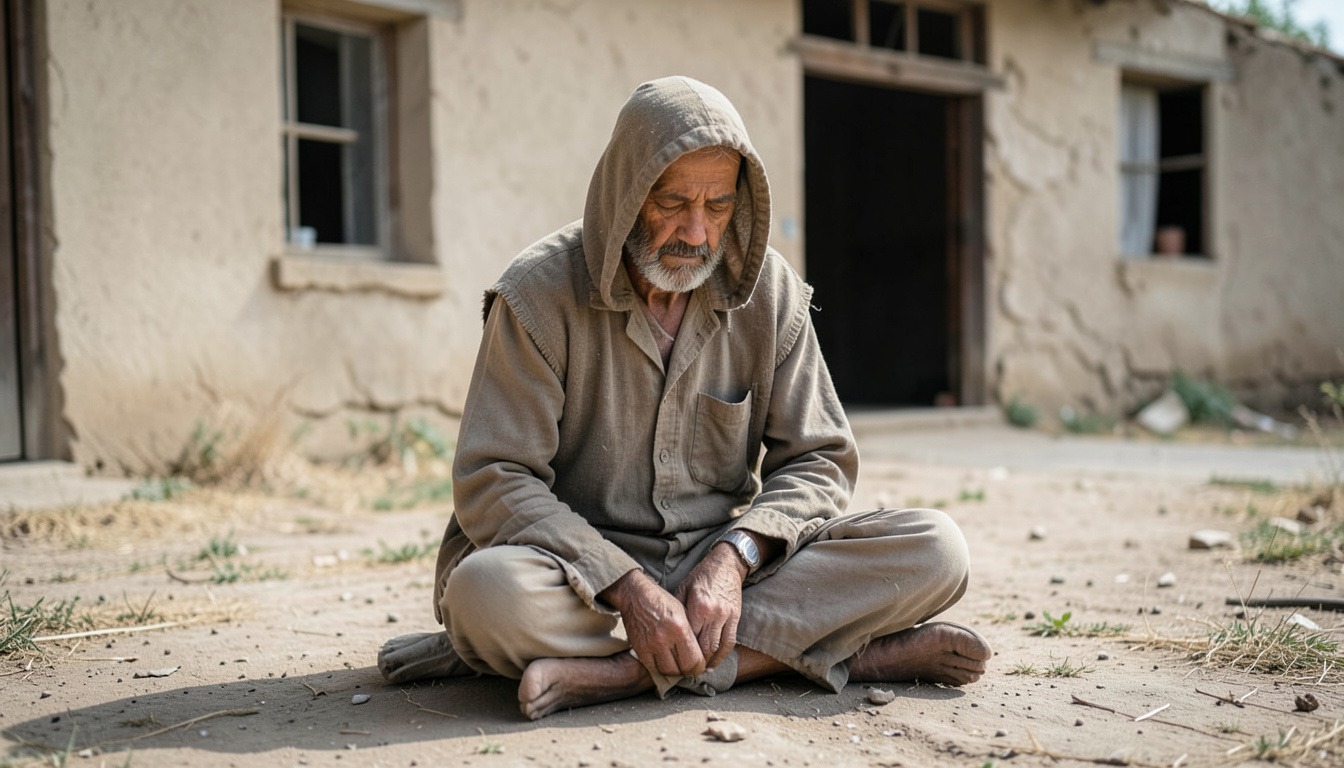
Embodying the concept of being poor in spirit involves intentional actions that reflect humility and dependence on God. Here are practical steps to integrate this biblical principle into daily life.
Practicing Humility in Everyday Life
1. Acknowledge Your Limitations: Regularly remind yourself that you are not in control of everything. This acknowledgment fosters a humble heart.
2. Seek Feedback: Ask trusted friends or mentors for constructive criticism. Embrace their insights to grow.
3. Serve Others: Engage in acts of service. Helping those in need can diminish pride and increase gratitude.
4. Practice Gratitude: Keep a gratitude journal. List daily blessings to recognize God’s provision in your life.
Acknowledging Spiritual Neediness
- Daily Prayer: Start your day with a prayer that expresses your need for God’s guidance and strength.
- Scripture Reflection: Meditate on verses that emphasize dependence on God, such as Matthew 5:3. Reflect on their meaning.
- Confession: Regularly confess your struggles and shortcomings. This act of vulnerability reinforces your need for God’s grace.
Encouraging Others in Their Spiritual Journeys
- Share Your Journey: Openly discuss your experiences of relying on God with friends or in group settings. Your vulnerability can inspire others.
- Create a Supportive Community: Encourage a culture of humility within your church or social groups. Foster an environment where people feel safe to express their needs.
- Mentorship: Offer guidance to those newer in their faith. Help them recognize their spiritual poverty and encourage their dependence on God.
Checklist for Integrating Being Poor in Spirit
- Daily Reflection: Spend a few minutes each day reflecting on your spiritual state.
- Engagement in Community: Actively participate in community service or small group discussions about humility.
- Regular Prayer and Scripture Reading: Set a schedule for prayer and Bible study to reinforce your relationship with God.
By implementing these steps, individuals can cultivate a spirit of humility, recognizing their dependence on God and embracing the blessings of being poor in spirit.
Common Misconceptions About Being Poor in Spirit
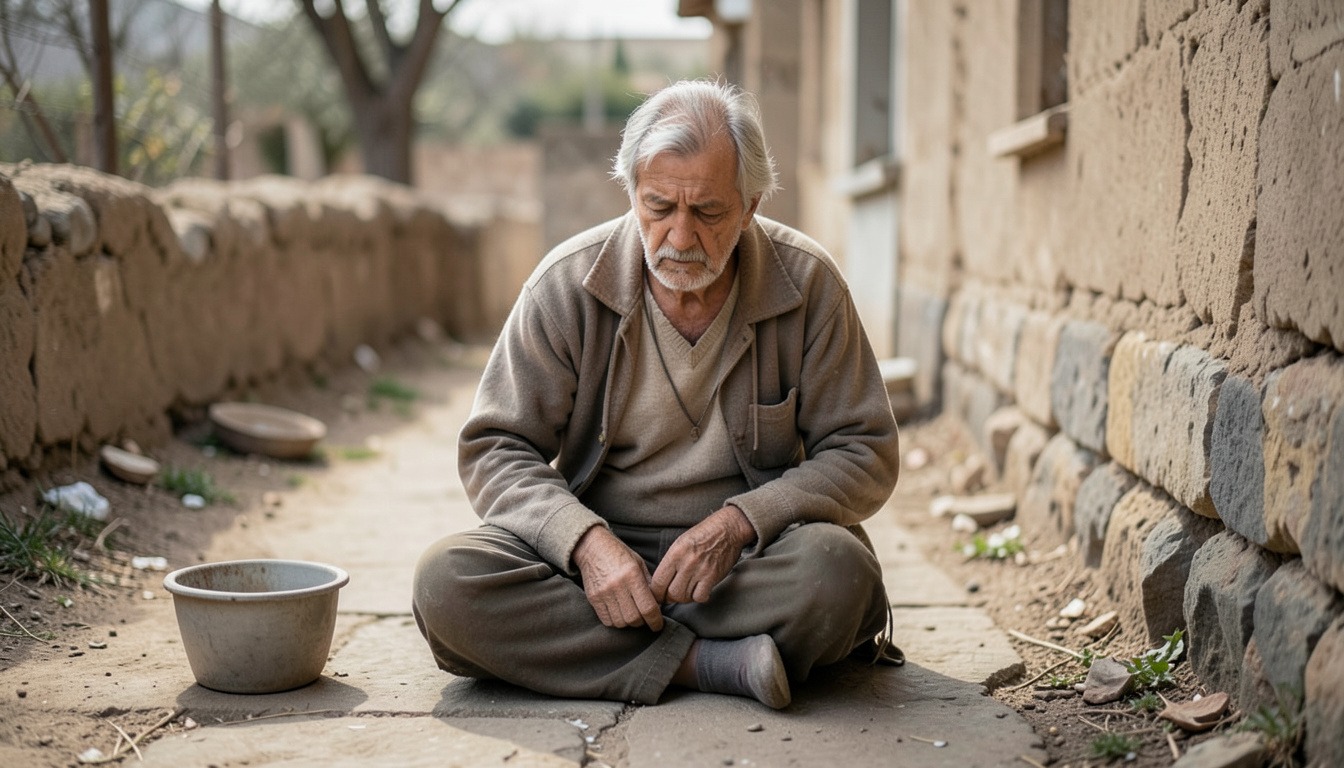
Understanding the biblical meaning of being poor in spirit can be challenging. Many misconceptions cloud its true significance. This section clarifies these misunderstandings.
Poor in Spirit vs. Financial Poverty
One common misconception equates being poor in spirit with financial poverty. However, these concepts are distinct.
- Spiritual Poverty: This refers to recognizing one’s need for God and embracing humility. It is about acknowledging that we cannot achieve righteousness on our own.
- Financial Poverty: This pertains to a lack of monetary resources. While financial struggles can lead to a greater awareness of spiritual needs, they do not inherently define being poor in spirit.
For example, a wealthy individual can be poor in spirit by humbling themselves and seeking God’s guidance. Conversely, a financially poor person may not recognize their spiritual need.
Misunderstanding Humility and Self-Worth
Another misconception is that being poor in spirit implies low self-worth. This is a misunderstanding of humility.
- True Humility: It involves recognizing our limitations and dependence on God. This acknowledgment does not diminish our value; rather, it enhances our connection to the Creator.
- Self-Righteousness: In contrast, self-righteousness stems from pride and a false sense of independence from God. Those who are self-righteous often believe they can earn favor through their actions.
Consider a scenario where a successful leader openly admits their reliance on God for wisdom. This leader exemplifies being poor in spirit, showcasing strength through humility.
The Role of Community in Understanding Spiritual Poverty
Community plays a vital role in grasping the concept of spiritual poverty. Many misunderstand this aspect of faith.
- Supportive Environment: Engaging with a community fosters discussions about spiritual humility and dependence on God. It creates a space for individuals to share experiences and learn from one another.
- Shared Experiences: Often, individuals find comfort in knowing others also struggle with pride and self-sufficiency. This collective journey enhances understanding and growth.
For instance, participating in a small group focused on humility can reveal common struggles. This shared experience encourages members to lean on God, reinforcing the meaning of being poor in spirit.
Conclusion: Embracing the Journey of Spiritual Humility
Being poor in spirit is a profound aspect of Christian faith. It invites us to acknowledge our spiritual poverty and our reliance on God. This understanding is crucial for our spiritual growth.
The Significance of Being Poor in Spirit
Recognizing our dependence on God leads to spiritual blessings. The Beatitude, “Blessed are the poor in spirit, for theirs is the kingdom of heaven,” encapsulates this truth. It highlights the importance of humility in our relationship with God and others. Here are key insights:
- Spiritual Poverty: Acknowledging that we cannot achieve righteousness on our own.
- God’s Grace: Embracing our need for God’s mercy and support.
- Community Support: Engaging with others fosters a culture of humility.
Practical Applications in Daily Life
To live out being poor in spirit, consider these practical steps:
- Reflect Regularly: Set aside time for self-examination. Ask yourself, “Where do I rely on my strength instead of God’s?”
- Engage in Community: Join groups that encourage discussions on humility. Share your experiences and learn from others.
- Practice Gratitude: Acknowledge the ways God supports you daily, fostering a heart of thankfulness.
Encouraging Spiritual Growth
Embracing humility isn’t just an internal journey; it affects our interactions. By being poor in spirit, we open the door to deeper relationships with God and others. Here’s how you can encourage spiritual growth:
- Create a Decision Framework: Regularly assess your actions and attitudes. Are they reflective of humility?
- Seek Accountability: Partner with someone who can help keep you grounded in your faith journey.
- Celebrate Small Victories: Recognize progress in your humility and dependence on God.
By integrating these practices into your life, you cultivate a spirit of humility that aligns with the biblical meaning of being poor in spirit.
Frequently Asked Questions
These quick answers cover the most common questions about this topic, including key details, practical tips, and common concerns.
What did Jesus mean by saying “poor in spirit”?
When Jesus said “poor in spirit,” He referred to recognizing one’s spiritual neediness and dependence on God. This phrase, found in Matthew 5:3, emphasizes humility and the acknowledgment that we cannot achieve righteousness on our own. Those who are poor in spirit are blessed because they are open to receiving God’s grace and mercy.
What are some examples of being poor in spirit?
Being poor in spirit can manifest in various ways, such as admitting personal failures, seeking God’s guidance in decision-making, or serving others without seeking recognition. For instance, someone may openly share their struggles in a community setting, demonstrating vulnerability and reliance on God. This humility allows them to connect more deeply with both God and others.
Who are the poor in spirit today?
The poor in spirit today can be anyone who recognizes their spiritual neediness, regardless of their financial status. This includes individuals who may be struggling with pride, self-sufficiency, or a false sense of independence. Believers who actively seek God’s help and acknowledge their limitations exemplify being poor in spirit, fostering a deeper relationship with Him.
How can you tell if someone is poor in spirit?
You can identify someone who is poor in spirit by their humility and openness to learning. They often demonstrate a willingness to admit mistakes, seek feedback, and express gratitude. Additionally, they may engage in acts of service, prioritizing the needs of others over their own. Their conversations often reflect a reliance on God’s grace and a desire to grow spiritually.
What does it mean to be poor in spirit, as Jesus said we ought to be?
To be poor in spirit means to embrace humility and recognize our need for God’s grace. It involves understanding that we cannot achieve spiritual fulfillment through our efforts alone. This attitude encourages us to seek God’s guidance, cultivate a heart of gratitude, and foster deeper connections with others in our faith community.
How does being poor in spirit relate to other Beatitudes?
Being poor in spirit is foundational to the other Beatitudes. It sets the stage for recognizing our need for mercy, comfort, and righteousness. For example, acknowledging our spiritual poverty enables us to mourn our shortcomings and seek God’s comfort, which aligns with the subsequent Beatitudes. Each Beatitude builds upon the humility and dependence established by being poor in spirit.
Why is being poor in spirit important?
Being poor in spirit is crucial because it opens the door to God’s grace and blessings. It fosters spiritual growth by encouraging reliance on God rather than self. This humility helps prevent self-righteousness and promotes unity within the community of believers, creating an environment where individuals can support one another in their faith journeys.
When should one reflect on their spiritual poverty?
One should reflect on their spiritual poverty regularly, especially during times of challenge or decision-making. Moments of doubt, failure, or significant life changes are excellent opportunities for self-examination. Regular reflection helps maintain a humble heart and keeps us aligned with our dependence on God for guidance and strength.