
The sacral chakra meaning revolves around creativity, sexuality, and emotional health, serving as a vital energy center that influences personal relationships and self-expression.
Understanding the sacral chakra is essential for fostering creativity, emotional balance, and healthy relationships. This guide explores its meaning, symptoms of imbalance, and effective techniques for restoration and healing.
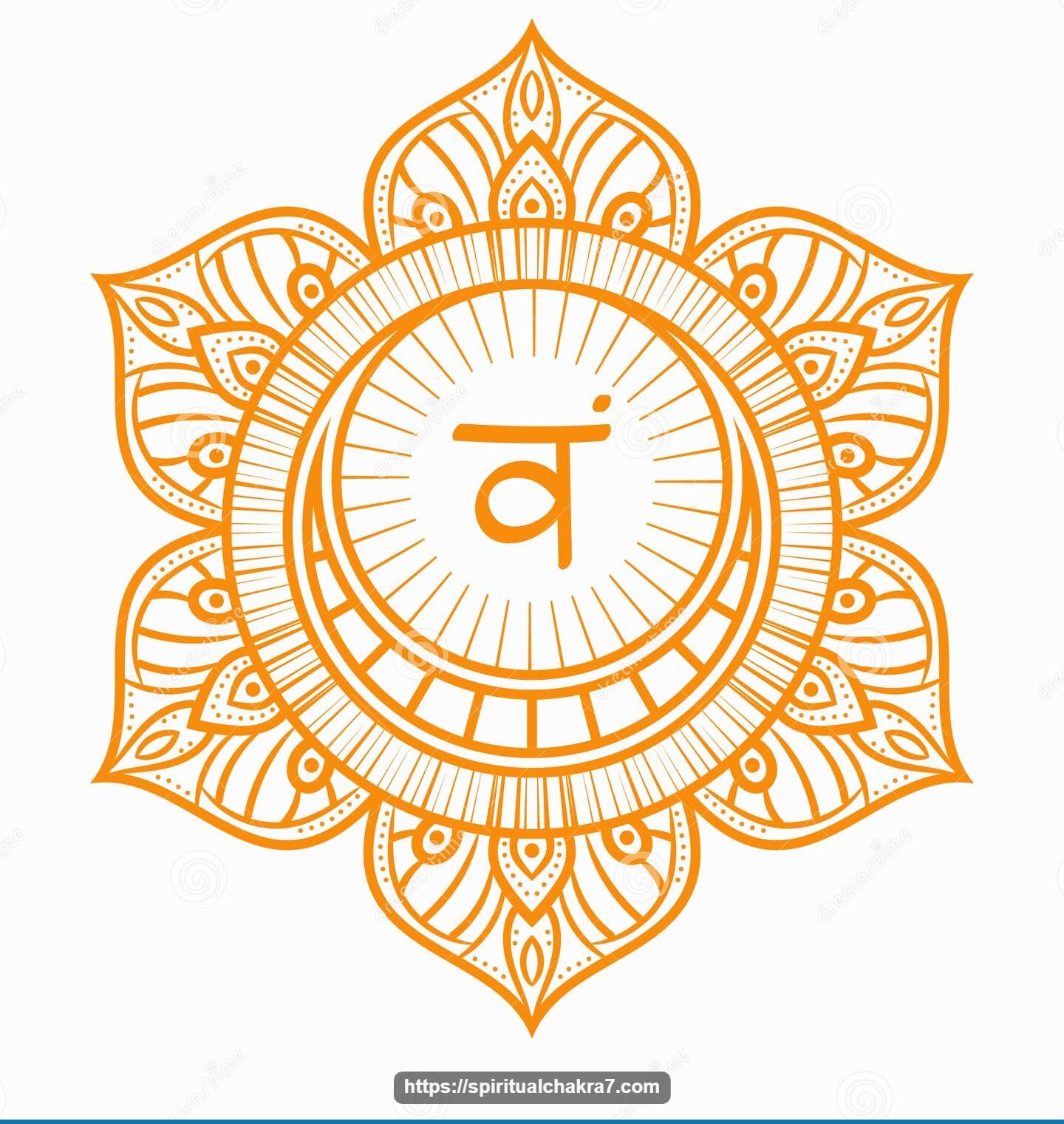
Understanding the Sacral Chakra Meaning
The sacral chakra, known as Svadhisthana, is a vital energy center that influences creativity, emotional balance, and personal relationships. Understanding its meaning can enhance your overall well-being and self-expression.
What is Svadhisthana?
Svadhisthana translates to “one’s own place” in Sanskrit. It is the second chakra in the traditional chakra system, located just below the navel. This energy center is associated with the color orange and the element of water, symbolizing fluidity, adaptability, and emotional depth.
The Role of the Sacral Chakra in Creativity and Emotional Health
The sacral chakra meaning extends beyond mere definitions; it embodies the essence of creativity and emotional health. When this chakra is balanced, individuals often experience:
- Enhanced creative expression
- Healthy sexual relationships
- Greater emotional stability
Conversely, an imbalanced sacral chakra can lead to symptoms such as:
- Creative blocks or lack of inspiration
- Difficulty in forming intimate relationships
- Emotional instability or mood swings
These symptoms highlight the importance of maintaining a healthy Svadhisthana for personal identity and connection with others.
Techniques for Balancing the Sacral Chakra
To maintain a harmonious sacral chakra, several practical techniques can be employed:
- Yoga Poses: Poses like hip openers, such as Butterfly or Pigeon, can effectively stimulate the sacral area.
- Essential Oils: Scents like ylang-ylang and sandalwood can promote emotional healing and creativity.
- Mindfulness Practices: Engaging in water-related activities, such as swimming or soaking in a bath, can help connect with the water element associated with this chakra.
Personal Insights
Many individuals have shared transformative experiences by focusing on their sacral chakra. For example, someone struggling with creative blockages found that incorporating specific yoga poses into their routine reignited their passion for art. This showcases how awareness and intentional practices around the sacral chakra can significantly impact personal expression and emotional health.
By understanding the sacral chakra meaning, you can better appreciate its role in your life and take actionable steps toward achieving balance and creativity.
The Importance of the Sacral Chakra in Daily Life
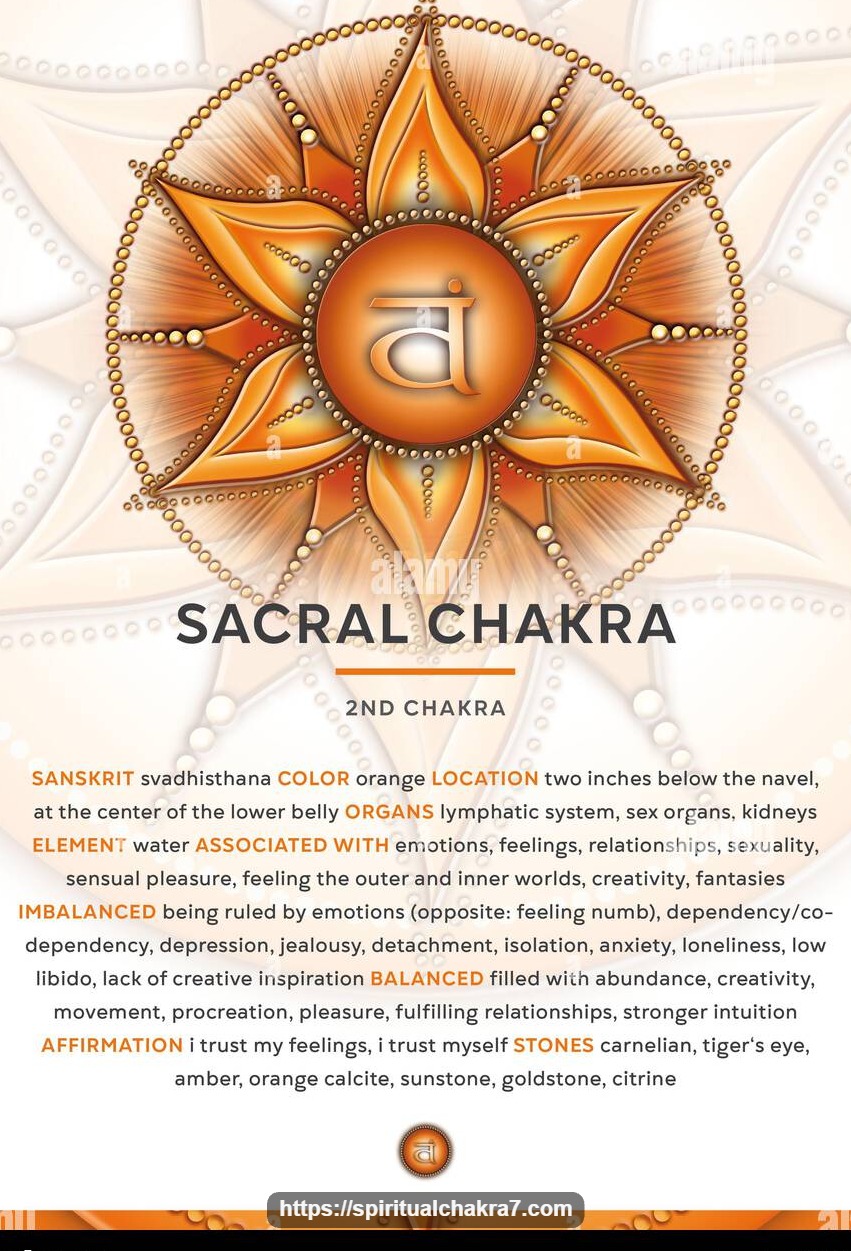
The sacral chakra plays a vital role in enhancing creativity and emotional relationships, which are essential for overall well-being and personal growth. By understanding its influence, individuals can cultivate a more fulfilling life.
Enhancing Creativity Through the Sacral Chakra
The sacral chakra, also known as Svadhisthana, is the energy center responsible for creativity. When this chakra is balanced, it fosters a vibrant flow of creative energy. For instance, artists often find that engaging in activities linked to this chakra, such as dance or painting, can lead to breakthroughs in their work.
Here are some practical ways to enhance creativity through the sacral chakra:
- Engage in Water Activities: Swimming or enjoying a bath can connect you with the water element associated with this chakra.
- Practice Creative Hobbies: Regularly engage in creative outlets, be it music, writing, or visual arts, to stimulate this energy center.
- Utilize Affirmations: Positive affirmations related to creativity can help reinforce the flow of energy in the sacral chakra.
Impact on Emotional Relationships
A well-balanced sacral chakra also significantly influences emotional health and relationships. This chakra governs our ability to connect with others and express our feelings. When it is blocked or overactive, people may experience issues like jealousy, fear of intimacy, or emotional instability.
To promote healthy emotional relationships, consider these tips:
- Mindfulness Practices: Engage in mindfulness or meditation focused on the sacral chakra to increase emotional awareness.
- Open Communication: Encourage open discussions in relationships to express feelings and strengthen bonds.
- Yoga Poses: Incorporate specific yoga poses that target the sacral chakra, such as hip openers, to enhance emotional release and connection.
Personal Growth and Well-Being
Balancing the sacral chakra leads to improved personal growth. Individuals often report feeling more in tune with their desires and emotions after focusing on this energy center. This can result in stronger decision-making and a clearer understanding of personal goals.
For example, someone who practices regular yoga and mindfulness may find it easier to navigate their emotions and express creativity in their daily life. By prioritizing the health of the sacral chakra, you can witness substantial improvements in both personal fulfillment and interpersonal dynamics.
Recognizing Symptoms of a Blocked Sacral Chakra

Understanding the symptoms of a blocked sacral chakra can illuminate how this energy center affects your emotional and physical well-being. By identifying these signs, you can take steps to restore balance and enhance creativity, sexuality, and emotional health.
Emotional Symptoms of Imbalance
A blocked sacral chakra often manifests in emotional disturbances. Here are some common signs to look for:
- Creative Blocks: Difficulty in expressing creativity or feeling uninspired.
- Emotional Instability: Frequent mood swings, anxiety, or feelings of guilt.
- Sexual Dysfunction: Low libido or aversion to intimacy.
- Fear of Change: Resistance to new experiences or feelings of stagnation.
Physical Symptoms of Imbalance
Physical symptoms can also indicate an issue with the sacral chakra. These may include:
- Lower Back Pain: Discomfort or tension in the lower back and hips.
- Reproductive Issues: Irregular menstrual cycles or problems with fertility.
- Digestive Problems: Issues such as constipation or bloating.
Checklist for Identifying Blocked Sacral Chakra
To help you assess your sacral chakra health, consider the following checklist:
- Do you frequently experience mood swings?
- Are you facing challenges in expressing your creativity?
- Do you feel disconnected from your emotions or desires?
- Are you experiencing any physical discomfort in your lower back or abdomen?
Each of these indicators could signify a blockage in the sacral chakra, impacting your overall well-being. By recognizing these symptoms, you can take proactive steps to balance this vital energy center.
Techniques for Balancing the Sacral Chakra
Balancing the sacral chakra is essential for enhancing creativity, emotional health, and overall well-being. Various techniques can help restore this energy center, including meditation, yoga, and the use of essential oils and crystals.
Meditation Practices
Meditation can significantly impact the sacral chakra. Focusing on this energy center during meditation helps to release blockages and promote emotional balance. Here are some effective methods:
- Guided Visualization: Picture a warm orange light at your lower abdomen. This light symbolizes the energy of the sacral chakra. Imagine it expanding with each breath, melting away any tension or negativity.
- Affirmations: Use positive affirmations related to creativity and emotional openness, such as “I embrace my creativity” or “I allow my emotions to flow freely.” Repeat these affirmations during your meditation sessions to reinforce your intention.
Yoga for Sacral Chakra Healing
Certain yoga poses specifically target the sacral chakra, promoting flexibility and energy flow. Incorporating these poses into your routine can greatly enhance your emotional and creative expression:
- Hip Openers: Poses like pigeon pose and butterfly pose stretch the hips, releasing pent-up emotions and enhancing creativity.
- Cat-Cow Stretch: This flow mobilizes the spine and stimulates the sacral area, promoting energy flow and emotional release.
- Seated Forward Fold: This pose calms the mind and stretches the lower back and hips, allowing for a deeper connection to your emotional self.
Essential Oils and Crystals
Using essential oils and crystals can further support the balancing of the sacral chakra. Both can enhance your meditation and yoga practices by providing an additional layer of sensory experience:
- Essential Oils: Oils such as sweet orange, ylang-ylang, and sandalwood can stimulate the sacral chakra. Diffuse them in your meditation space or apply them topically with a carrier oil.
- Crystals: Crystals like carnelian and orange calcite resonate with the sacral chakra’s energy. Keep them nearby during meditation or carry them with you to encourage creative flow and emotional stability.
By integrating these techniques into your daily life, you can foster a greater understanding of sacral chakra meaning and enhance your overall emotional health.
Historical and Cultural Context of the Sacral Chakra
The sacral chakra, known as Svadhisthana in Sanskrit, carries deep historical and cultural significance. Various traditions interpret its meaning and role differently, reflecting the diverse beliefs about energy centers in the human body.
Cultural Beliefs Surrounding the Sacral Chakra
1. Hinduism: In Hindu philosophy, the sacral chakra represents creativity, sexuality, and emotional well-being. It is considered the seat of desire and pleasure, vital for personal expression and relationships.
2. Buddhism: Although Buddhism does not emphasize chakras in the same way, some interpretations acknowledge the sacral chakra’s connection to emotional health and the balance of relationships. It serves as a foundation for compassion and emotional intelligence.
3. Taoism: In Taoist practices, the sacral chakra is linked to the water element, symbolizing fluidity and adaptability. This perspective highlights the importance of emotional balance and creativity in achieving harmony within oneself and with the environment.
Historical Significance
The history of the sacral chakra can be traced back thousands of years to ancient Indian texts. These writings describe the chakra system as a map of human consciousness, linking physical, emotional, and spiritual experiences. The sacral chakra’s placement in the lower abdomen emphasizes its role in reproductive health and creativity.
Comparative Analysis of Meanings
Understanding how different cultures perceive the sacral chakra can provide insight into its broader implications for emotional and creative health. Here’s a comparative analysis of the cultural meanings:
| Culture | Interpretation of Sacral Chakra | Key Themes |
|---|---|---|
| Hinduism | Source of creativity and desire | Sexuality, relationships, emotional health |
| Buddhism | Emotional intelligence and balance | Compassion, interconnectedness |
| Taoism | Fluidity and adaptability | Harmony with nature, emotional stability |
This comparative lens allows for a richer understanding of the sacral chakra meaning, reinforcing its significance across various cultural contexts. Each tradition underscores the importance of emotional health, creativity, and personal relationships, establishing the sacral chakra as a vital energy center in the quest for balance and well-being.
Trauma and Its Storage in the Sacral Chakra
The sacral chakra, or Svadhisthana, plays a crucial role in our emotional and physical well-being. It is the energy center that governs creativity, sexuality, and emotional health. However, unresolved trauma can significantly impact its balance, leading to various physical and emotional symptoms.
How Trauma Affects the Sacral Chakra
Trauma can be stored in the body, particularly in the sacral chakra. This storage often manifests as blocked energy, resulting in multiple symptoms. These might include:
- Physical Symptoms: Pain in the lower back, reproductive issues, or digestive problems.
- Emotional Symptoms: Feelings of insecurity, fear of change, or difficulty expressing emotions.
For instance, someone who has experienced relationship trauma may find it hard to engage emotionally or creatively. This disconnection reflects the sacral chakra’s role in personal relationships and emotional expression.
Healing Practices for Trauma in the Sacral Chakra
To address trauma stored in the sacral chakra, various healing practices can be beneficial. These methods aim to release blockages and restore balance:
- Yoga: Specific poses like hip openers (e.g., Pigeon Pose or Butterfly Pose) promote flexibility and encourage emotional release.
- Meditation: Guided meditations focusing on the sacral chakra can help individuals connect with their emotions and identify areas of blockage.
- Creative Expression: Activities like painting, dancing, or writing can stimulate the sacral chakra and facilitate healing.
Incorporating these practices into daily life can help restore the flow of energy, enhancing overall emotional health and creativity.
Personal Reflection and Integration
Individuals often find that reflecting on their experiences can aid in healing. For example, journaling about past traumas can illuminate their connection to current emotional states. Regularly assessing one’s emotional health related to the sacral chakra can provide insights into necessary changes or healing practices.
By understanding the relationship between trauma and the sacral chakra, individuals can better navigate their emotional landscapes. This awareness is essential for fostering creativity and maintaining emotional balance, enriching the overall understanding of sacral chakra meaning.
Essential Oils and Crystals for Sacral Chakra Balancing
To effectively balance the sacral chakra, specific essential oils and crystals can play a vital role. These natural elements support emotional health, creativity, and a sense of well-being, enhancing the overall understanding of sacral chakra meaning.
Essential Oils for Sacral Chakra
Using essential oils can stimulate the sacral chakra’s energy flows. Here are some oils particularly beneficial for this purpose:
- Sweet Orange: Promotes joy and creativity. Diffuse it in your space or mix it with a carrier oil for a soothing abdominal massage.
- Ylang Ylang: Enhances sensuality and emotional balance. It can be added to a bath or used in a diffuser to create a calming atmosphere.
- Coriander: Encourages emotional clarity and stability. Use it in a roller blend for pulse points or inhale directly from the bottle.
When using essential oils, always dilute them in a carrier oil, such as jojoba or coconut oil, to avoid skin irritation. Perform a patch test before applying them to larger areas.
Crystals for Sacral Chakra
Crystals can also aid in balancing the sacral chakra, each possessing unique properties. Here are notable options:
- Carnelian: Known for boosting creativity and motivation. Carry a piece in your pocket or wear it as jewelry to harness its energy throughout the day.
- Orange Calcite: Enhances emotional health and personal power. Place it on your sacral chakra during meditation or keep it in your living space to promote a positive environment.
- Moonstone: Supports emotional balance and intuition. Use moonstone in your meditation practice, focusing on its calming energy.
To maximize the benefits of these crystals, cleanse them regularly under running water or by placing them in sunlight for a few hours. Establish a routine to connect with them, such as holding them during meditation.
Practical Application and Safety Considerations
Integrating essential oils and crystals into daily life can enhance emotional well-being. Consider the following:
- Routine: Create a daily ritual that includes diffusing essential oils while practicing yoga or meditating with your chosen crystals.
- Awareness: Pay attention to how different oils and crystals affect your mood and creativity. Adjust your selections based on personal experiences and needs.
- Limitations: While essential oils and crystals can be beneficial, they should complement—not replace—professional medical advice or treatment for significant emotional issues.
By thoughtfully incorporating essential oils and crystals into your wellness routine, you can foster a deeper understanding of sacral chakra meaning and support your emotional health effectively.
Yoga Poses for Opening the Sacral Chakra
Engaging in specific yoga poses can significantly enhance the flow of energy in the sacral chakra, also known as Svadhisthana. These poses focus on opening the hips and sacral area, promoting emotional balance and creativity. Below are some effective poses to consider.
Recommended Poses
1. Butterfly Pose (Baddha Konasana)
- Instructions: Sit on the floor with your feet together. Allow your knees to drop to the sides. Hold your feet with your hands and gently press your knees toward the ground.
- Benefits: This pose opens the hips and stretches the inner thighs. It encourages the release of tension and enhances emotional expression.
2. Pigeon Pose (Eka Pada Rajakapotasana)
- Instructions: Start in a plank position. Bring your right knee forward and place it behind your right wrist. Extend your left leg back and lower your torso toward the floor.
- Benefits: Pigeon pose deeply opens the hips and is excellent for releasing stored emotions, promoting fluidity in the sacral area.
3. Lizard Pose (Utthan Pristhasana)
- Instructions: From a low lunge, place both hands inside your front foot. Lower your hips toward the ground while keeping your back leg straight.
- Benefits: This pose stretches the hip flexors and groin, encouraging energy flow in the sacral chakra.
4. Supine Bound Angle Pose (Supta Baddha Konasana)
- Instructions: Lie on your back with the soles of your feet together and knees dropped to the sides. Place your arms at your sides, palms facing up.
- Benefits: This restorative pose opens the hips while promoting relaxation and a sense of safety, essential for emotional healing.
Variations for All Levels
- Beginner Level: Use props like blocks or cushions under your knees in Butterfly Pose or Supine Bound Angle Pose for added support.
- Intermediate Level: In Pigeon Pose, focus on keeping your hips square to the ground to deepen the stretch.
- Advanced Level: In Lizard Pose, you can try lowering to your forearms for a deeper stretch and more intense opening.
Incorporating these poses into your routine can help you achieve a better understanding of sacral chakra meaning. As you create space in the hips, you may experience enhanced emotional balance and creativity, vital components of a healthy sacral chakra.
Conclusion and Next Steps for Sacral Chakra Health
Understanding the sacral chakra meaning is essential for fostering creativity, emotional balance, and overall well-being. This section outlines actionable steps to help you maintain a healthy sacral chakra in your daily life.
Practical Steps for Balancing the Sacral Chakra
1. Engage in Creative Activities
Explore painting, writing, or dancing. These activities stimulate the sacral chakra and enhance your creative expression.
2. Practice Specific Yoga Poses
Incorporate poses like Butterfly Pose or Pigeon Pose into your routine. These stretches open the hips and promote energy flow through the sacral chakra.
3. Use Essential Oils
Scents like orange and ylang-ylang can support emotional balance. Diffuse these oils during meditation or relaxation.
4. Incorporate Water Elements
Spend time near water or take soothing baths. The water element is closely tied to the sacral chakra and can help release emotional blockages.
5. Connect with Crystals
Use crystals such as carnelian or orange calcite. Carry them with you or meditate with them to enhance your energy balance.
Assessing Your Sacral Chakra Health
- Self-Reflection
Take note of your emotional state. Are you feeling creative or blocked? Recognizing these feelings is the first step in understanding your sacral chakra health.
- Physical Symptoms
Pay attention to physical signs such as lower back pain or reproductive issues. These may indicate an imbalance in the sacral chakra.
- Emotional Awareness
Explore how you express your emotions. A healthy sacral chakra promotes healthy relationships and emotional expression.
Integrating these practices into your daily routine can profoundly impact your emotional health and creativity. By actively engaging with your sacral chakra, you create space for growth and healing in your life.
Frequently Asked Questions
These quick answers cover the most common questions about this topic, including key details, practical tips, and common concerns.
What happens when your sacral chakra is blocked?
When the sacral chakra is blocked, individuals may experience a range of emotional and physical symptoms. Emotionally, you might face creative blocks, mood swings, or feelings of insecurity. Physically, symptoms can include lower back pain, reproductive issues, or digestive problems. These blockages can hinder your ability to express creativity and form healthy relationships.
What is your sacral chakra responsible for?
The sacral chakra, also known as Svadhisthana, is primarily responsible for creativity, sexuality, and emotional health. It influences how we connect with others and express our feelings. A balanced sacral chakra promotes healthy relationships and a vibrant creative life, while an imbalance can lead to emotional instability and difficulty in personal expression.
What trauma is stored in the sacral chakra?
Trauma related to relationships, sexuality, and emotional experiences is often stored in the sacral chakra. This can manifest as fear of intimacy, difficulty expressing emotions, or physical symptoms like lower back pain. Addressing these traumas through practices like yoga, meditation, or creative expression can help release blockages and restore balance.
How do you release your sacral chakra?
To release a blocked sacral chakra, consider engaging in specific yoga poses such as Pigeon or Butterfly Pose, which open the hips and promote energy flow. Incorporating mindfulness practices, such as meditation focused on the sacral area, can also help. Additionally, using essential oils like ylang-ylang or engaging in water-related activities can further facilitate emotional release.
Signs of whether your sacral chakra is blocked vs. overactive?
A blocked sacral chakra may manifest as emotional instability, creative blocks, or difficulty in forming intimate relationships. In contrast, an overactive sacral chakra can lead to excessive emotional expression, impulsive behavior, or unhealthy relationships. It’s important to find a balance to ensure a healthy flow of energy through this chakra.
What yoga poses can help open the sacral chakra?
Effective yoga poses for opening the sacral chakra include Butterfly Pose, Pigeon Pose, and Lizard Pose. These poses specifically target the hips and lower abdomen, enhancing flexibility and promoting emotional release. Incorporating these poses into your routine can help stimulate the energy flow in the sacral chakra.
What essential oils are best for balancing the sacral chakra?
Essential oils like sweet orange, ylang-ylang, and coriander are particularly beneficial for balancing the sacral chakra. Sweet orange promotes joy and creativity, while ylang-ylang enhances emotional balance. These oils can be used in a diffuser, added to a bath, or applied topically with a carrier oil to support emotional health and creativity.