
Pigeon superstition refers to the conditioned behaviors observed in pigeons, where they believe specific actions lead to rewards, as demonstrated in B.F.
B.F. Skinner’s groundbreaking experiments with pigeons illustrate how these birds develop superstitious behaviors through operant conditioning. Understanding this phenomenon not only sheds light on animal psychology but also offers insights into human superstition and behavior.
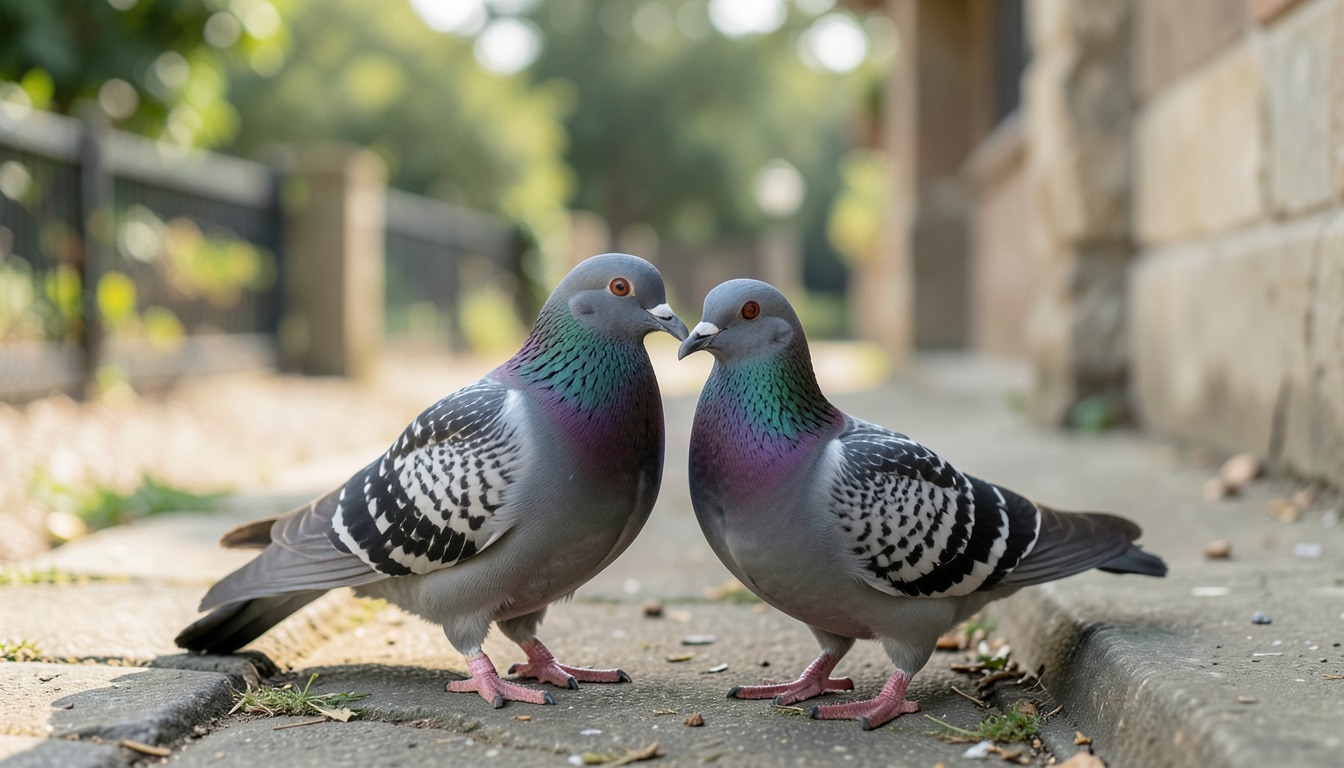
Defining Pigeon Superstition
Pigeon superstition refers to the behaviors exhibited by pigeons that arise from operant conditioning, particularly through unintended reinforcement. This phenomenon was notably studied by B.F. Skinner, revealing how animals can develop beliefs about causation that are not grounded in reality.
What is Pigeon Superstition?
Pigeon superstition encompasses actions that pigeons perform in anticipation of receiving food, despite no actual causal link between their behaviors and the reinforcement. This behavior stems from the pigeons associating random actions with food delivery.
Key Concepts
- Operant Conditioning: A learning process where behaviors are influenced by their consequences. In Skinner’s experiment, pigeons were rewarded with food at random intervals, leading to the development of superstitious behaviors.
- Adventitious Reinforcement: This refers to a situation where an animal inadvertently receives a reward while performing an unrelated action. In Skinner’s experiments, pigeons engaged in various rituals, believing them to influence food delivery.
Examples of Superstitious Behaviors
Skinner observed several unique behaviors among pigeons, including:
- Turning Counter-Clockwise: One pigeon would turn in circles before receiving food.
- Head Thrusting: Another pigeon repeatedly thrust its head into a corner of the cage, believing this action contributed to food delivery.
- Pendulum Motion: Some pigeons displayed a swinging motion, extending their heads side to side, as if trying to influence the food mechanism.
These behaviors illustrate how pigeons, through the process of operant conditioning, can mistakenly connect random actions with rewards, leading to the formation of superstitions.
Implications for Understanding Human Behavior
The insights gained from pigeon superstition extend beyond animal behavior. They help explain similar patterns in humans, such as rituals in gambling or sports. Just as pigeons develop irrational beliefs about controlling food delivery, humans often engage in superstitious behavior to influence outcomes in their lives.
These parallels highlight the underlying psychological mechanics of superstition, emphasizing the human tendency to seek patterns and establish control over uncertain circumstances.
Skinner’s Experiment: A Closer Look
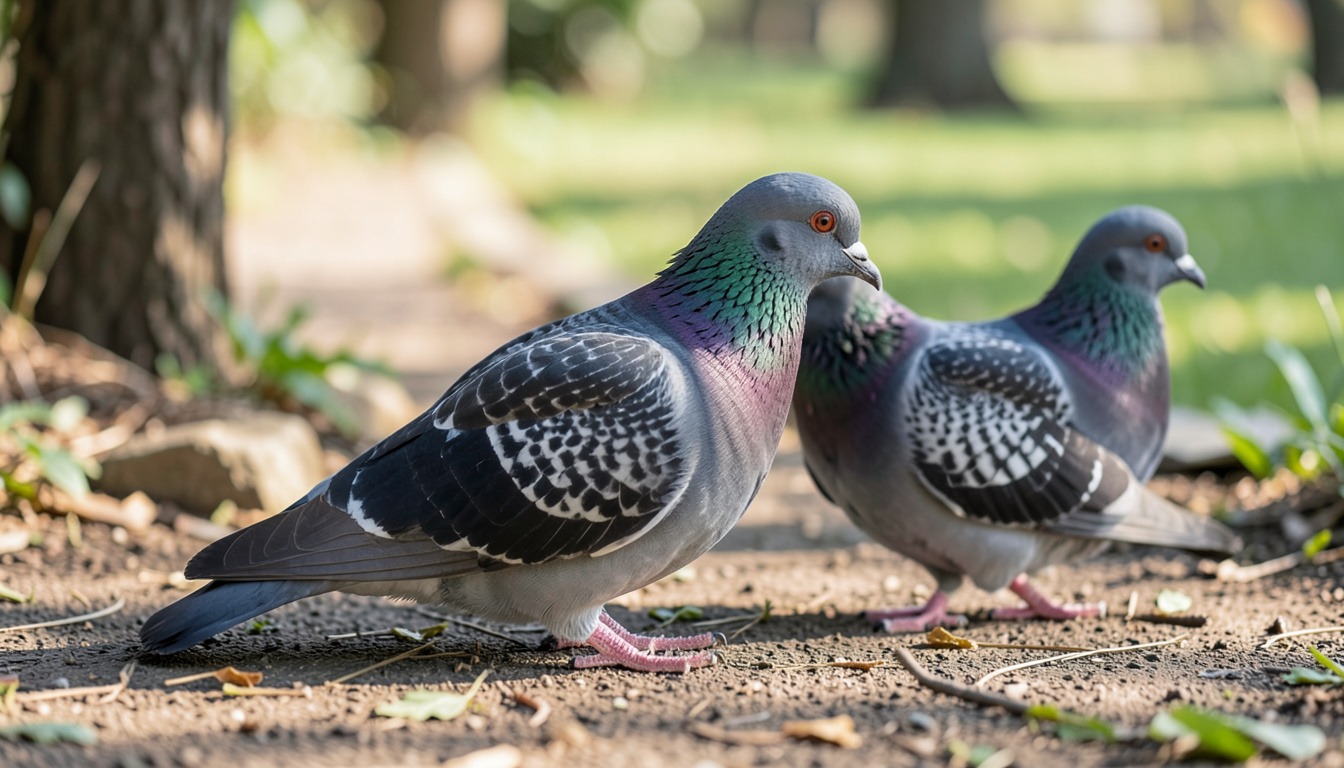
B.F. Skinner’s experiment with pigeons provides a foundational understanding of how superstitious behaviors can develop through operant conditioning. This section details the methodology of the experiment, the conditioning processes involved, and the unique behaviors observed in the pigeons.
Methodology of the Experiment
Skinner used an operant conditioning chamber, commonly known as a “Skinner box,” to conduct his experiment. The setup included:
- Controlled Environment: The chamber maintained a consistent setting for the pigeons.
- Automatic Food Delivery: Food was dispensed at regular intervals, independent of the pigeons’ actions.
- Observation of Behavior: Skinner closely monitored the pigeons’ behaviors leading up to food delivery.
The crucial aspect of this experiment was that the pigeons received food without any correlation to their behavior, allowing Skinner to observe their responses to the food rewards.
Observed Superstitious Behaviors
In the course of the experiment, Skinner noted several fascinating behaviors that emerged among the pigeons, which he categorized as superstitious. These included:
- Ritualistic Movements: Pigeons would perform specific actions, such as turning in circles or bobbing their heads, believing these behaviors influenced food delivery.
- Consistent Patterns: After receiving food, the pigeons repeated these actions consistently, reinforcing their belief in a causal relationship.
- Variability in Behavior: Each pigeon developed unique rituals, demonstrating individual differences in superstitious behavior.
For example, one pigeon consistently turned counterclockwise before food arrival, while another would flap its wings. These actions were purely coincidental but led to a strong belief in their effectiveness.
Significance of the Findings
Skinner’s findings have profound implications for understanding not only animal behavior but also human psychology. The experiment illustrates how individuals can mistakenly attribute control over random events to specific actions. This phenomenon can be observed in various human contexts, such as:
- Gambling Rituals: Gamblers often engage in superstitious behaviors, such as wearing lucky charms or following specific routines, believing these actions will influence their chances of winning.
- Sports Practices: Athletes may adhere to specific pre-game rituals, convinced that these will enhance their performance.
Skinner’s work on pigeon superstition underscores the psychological mechanisms underlying the formation of beliefs and behaviors in both animals and humans, highlighting our intrinsic tendency to seek patterns in randomness.
The Mechanism of Operant Conditioning in Pigeons
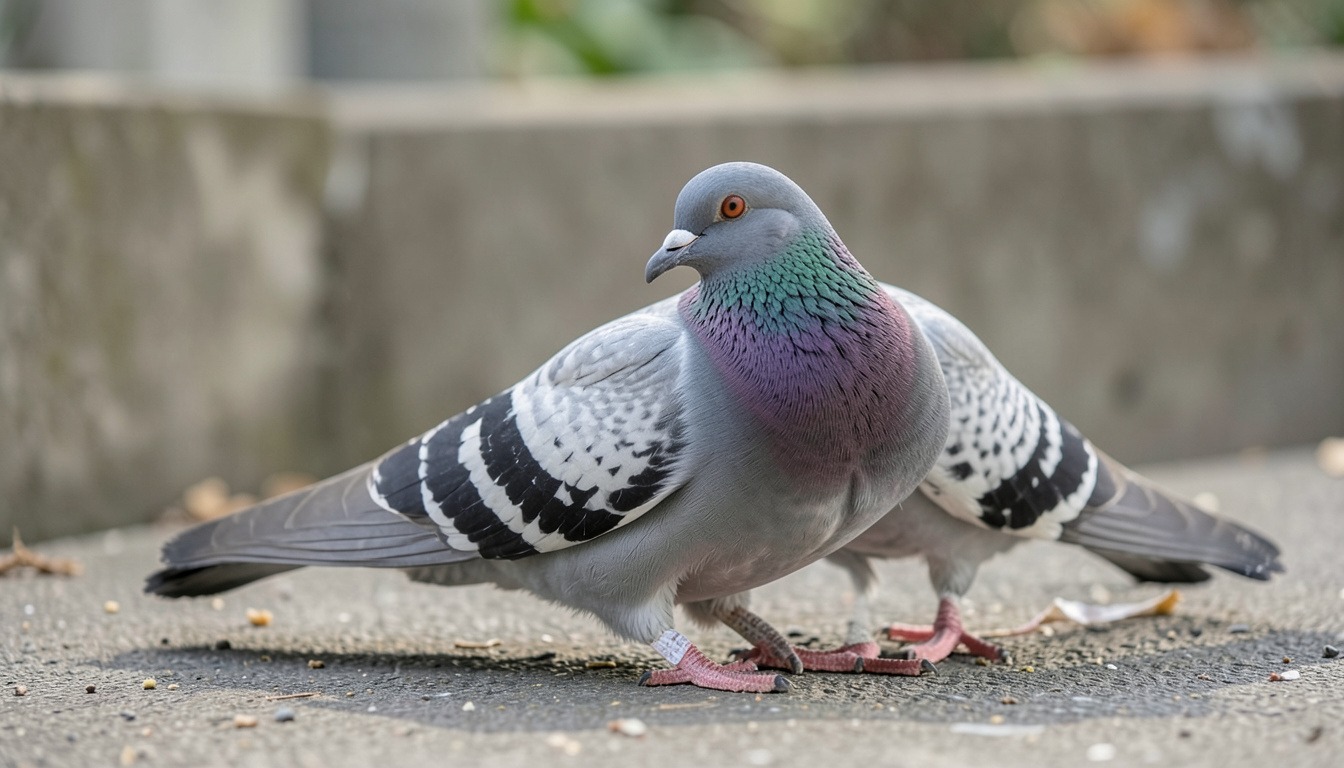
Operant conditioning is central to understanding how superstitious behaviors develop in pigeons. This psychological process involves reinforcing behaviors through rewards or punishments, leading to learned responses that can sometimes appear irrational.
Understanding Reinforcement
Reinforcement occurs when a behavior is followed by a consequence that increases the likelihood of that behavior recurring. In Skinner’s experiments, pigeons were placed in an operant conditioning chamber where they received food for specific actions, such as pecking a disk.
Types of Reinforcement:
- Positive Reinforcement: Adding a desirable stimulus (food) to encourage a behavior.
- Negative Reinforcement: Removing an unpleasant stimulus to strengthen a behavior.
Skinner’s pigeons exhibited behaviors that were reinforced unintentionally. For instance, if a pigeon performed a certain action while waiting for food, it might continue that action, mistakenly believing it influenced the delivery of food.
Examples of Conditioned Responses
The experiments revealed various superstitious behaviors among the pigeons. Here are notable examples:
- Turning in Circles: A pigeon might turn in circles shortly before food delivery, believing this action would ensure food arrival.
- Head Bobbing: Some pigeons developed a habit of bobbing their heads, associating it with being fed.
- Flapping Wings: Others flapped their wings in anticipation, thinking it brought food closer.
These behaviors emerged from the unpredictability of food delivery. When pigeons received food after performing these actions, they linked the behavior with the outcome, despite it being coincidental.
Implications for Understanding Human Superstition
The insights from Skinner’s experiments extend beyond animal behavior. They illustrate how humans might also form superstitions based on random reinforcement. For example, if a person wears a “lucky” shirt and wins a game, they may continue to wear it, believing it influenced their success.
Understanding these mechanisms highlights the psychological tendency to find patterns in randomness, reinforcing behaviors that may have no real connection to outcomes.
Implications of Pigeon Superstition for Human Behavior
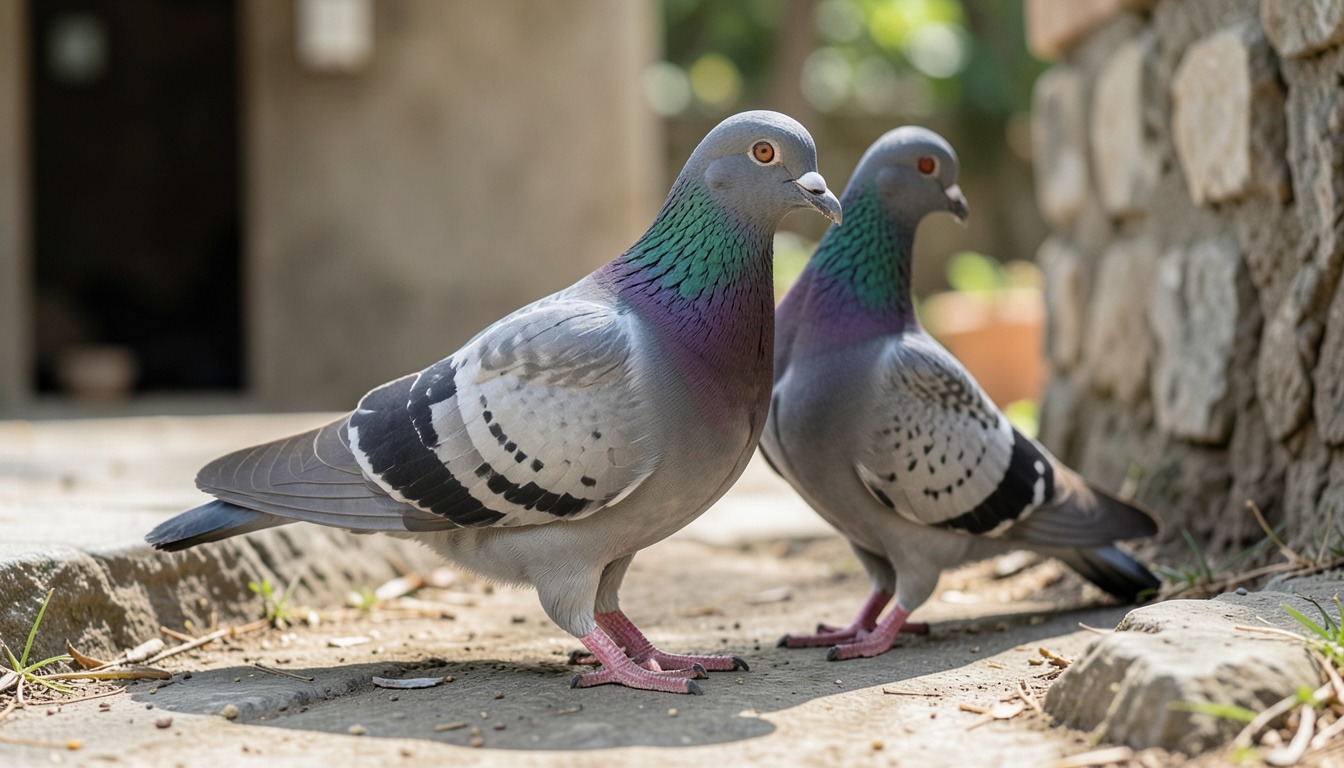
Skinner’s study of pigeon superstition provides valuable insights into human psychology. The mechanisms of operant conditioning observed in pigeons reveal how randomness can shape beliefs and behaviors in humans.
Similarities with Human Superstitions
Pigeons in Skinner’s experiment developed specific rituals based on coincidental reinforcement. Similarly, humans often engage in behaviors they believe will influence outcomes, despite a lack of actual causation.
Examples include:
- Lucky Charms: Individuals may carry or wear items they associate with success.
- Pre-Game Routines: Athletes often perform specific actions before a game, believing these will enhance their performance.
- Rituals in Gambling: Gamblers may follow particular patterns or behaviors when winning, attributing luck to these rituals.
These examples highlight how both animals and humans create meaning from random events, reinforcing behaviors that have no real effect on outcomes.
Psychological Insights from Animal Behavior
Understanding why superstitions form can help clarify human behavior. Skinner’s findings suggest that humans, like pigeons, are prone to see patterns in randomness. This tendency can lead to:
- Cognitive Bias: Individuals often misinterpret coincidences as meaningful connections.
- Behavior Reinforcement: Even after repeated failures, past successes can reinforce superstitious behaviors.
By recognizing these patterns, individuals can develop awareness of their own superstitions. This insight might foster better decision-making and reduce reliance on unproven rituals.
Cultural Significance of Pigeons and Their Superstitions
Pigeons hold diverse meanings across cultures, often intertwining with superstitions and beliefs. Their presence in folklore and modern society reflects a complex relationship with human psychology and behavior.
Pigeons in Folklore and Mythology
Various cultures attribute specific qualities to pigeons, often influenced by their behavior and symbolic significance.
- Symbol of Peace: In many Western cultures, pigeons represent peace and hope, often depicted alongside olive branches. This symbolism may stem from religious texts and historical events.
- Messengers: In ancient societies, pigeons were used as messengers, believed to carry news from the divine. This role has contributed to superstitions surrounding their appearance, with many viewing sightings as omens or messages from the spirit world.
- Good Luck and Fortune: In some cultures, feeding pigeons is seen as a way to attract good luck. For instance, in parts of Asia, people believe that caring for these birds can bring prosperity.
These cultural interpretations shape how people perceive pigeons, often leading to superstitious behaviors linked to their presence.
Modern Superstitions Associated with Pigeons
Contemporary beliefs about pigeons can often reflect ancient traditions, evolving into modern rituals and superstitions.
- Lucky Charms: In certain communities, it is believed that encountering a pigeon during significant life events can bring luck. For example, seeing a pigeon on a wedding day is considered a positive sign.
- Rituals: Some individuals perform rituals involving pigeons to ward off bad luck or attract favorable circumstances. This can include the act of releasing pigeons during celebrations or important milestones.
- Negative Associations: Conversely, in some cultures, pigeons are seen as harbingers of misfortune. For example, if a pigeon flies into a home, it may be viewed as a warning of impending trouble.
These modern superstitions highlight how deeply ingrained beliefs about pigeons continue to influence behavior today, often paralleling Skinner’s findings on superstitious behavior in animals. Understanding these cultural perceptions enriches our grasp of superstition, showing how human psychology intertwines with animal behavior.
Common Misconceptions about Pigeon Behavior
Pigeons often suffer from various misconceptions related to superstition and behavior. Understanding these can clarify how superstitions form and persist, both in animals and humans.
Pigeons and Superstition: Myth vs. Reality
Many people believe that pigeons engage in superstitious behaviors due to a direct causal relationship between their actions and outcomes. However, this is a misunderstanding of the underlying mechanisms. Skinner’s experiments showed that pigeons performed certain actions not because they believed these actions influenced food delivery but because random reinforcement led them to associate behaviors with rewards.
The Role of Conditioning in Pigeon Behavior
1. Operant Conditioning: Pigeons learn through operant conditioning, where behaviors are modified by their consequences. Skinner’s experiments revealed that when food was delivered at random intervals, pigeons exhibited behaviors they had been performing just before the food arrived.
2. Superstitious Behavior: This does not imply that pigeons hold beliefs like humans. Instead, they repeat behaviors because they were accidentally rewarded, leading to what appears as superstition.
Examples of Superstitious Behaviors in Pigeons
- Tail Chasing: A pigeon may chase its tail just before food appears. This behavior will continue even if it does not affect food delivery.
- Head Bobbing: Pigeons often bob their heads in a rhythmic motion. If this occurs around the time of food delivery, they may continue to do so, mistakenly associating it with getting food.
Implications for Human Understanding of Superstition
The behaviors observed in pigeons can mirror human superstitions. Just as pigeons perform rituals based on coincidence, humans may engage in similar behaviors, believing they can influence outcomes. This connection highlights the broader implications of Skinner’s research, revealing how both animals and humans can develop irrational beliefs based on reinforcement patterns.
Cultural Significance of Pigeons
In many cultures, pigeons embody various symbolic meanings. They are often linked to messages, peace, or luck. Understanding these cultural associations can shed light on why pigeons are frequently involved in superstitions.
- Good Luck Symbols: Releasing pigeons during celebrations is believed to attract good fortune.
- Bad Omens: Conversely, a pigeon entering a home might indicate misfortune.
Recognizing these misconceptions and cultural narratives enriches our understanding of superstition and its psychological foundations.
Frequently Asked Questions
These quick answers cover the most common questions about this topic, including key details, practical tips, and common concerns.
What is the superstition about pigeons?
Pigeon superstition refers to the behaviors that pigeons develop, believing certain actions will lead to rewards, particularly food. This phenomenon arises from operant conditioning, where random reinforcement causes pigeons to associate specific behaviors with food delivery, even when no actual connection exists.
Are seeing pigeons good luck?
In many cultures, seeing a pigeon is considered a sign of good luck. For example, some believe that encountering a pigeon on a significant day, like a wedding, can bring prosperity and happiness. However, interpretations can vary; in some cultures, pigeons may symbolize misfortune.
What is a sad fact about pigeons?
A sad fact about pigeons is that they often face misconceptions and negative stereotypes, leading to their mistreatment. Many people view them as pests rather than recognizing their intelligence and social behaviors. Additionally, urban environments can expose them to various dangers, such as pollution and habitat loss.
How do superstitions affect animal behavior?
Superstitions can significantly influence animal behavior, particularly through learned responses to reinforcement. Animals, like pigeons, may repeat actions they associate with rewards, even when there is no real connection. This behavior can lead to ritualistic actions that seem irrational but are based on their experiences.
Why do pigeons exhibit superstitious behavior?
Pigeons exhibit superstitious behavior due to operant conditioning. When they receive food randomly after performing certain actions, they mistakenly believe these actions influence food delivery. This behavior is not based on belief but rather on learned associations from their environment.
What is the significance of Skinner’s pigeon experiment?
Skinner’s pigeon experiment is significant because it illustrates how animals can develop superstitious behaviors through operant conditioning. It highlights the psychological mechanisms behind belief formation, showing parallels between animal and human superstitions. This research also emphasizes our tendency to find patterns in randomness.
What are some common superstitions associated with pigeons?
Common superstitions associated with pigeons include the belief that encountering them brings good luck or that feeding them can attract fortune. Some also view pigeons as messengers from the divine, interpreting their presence as signs or omens related to life events.
How can understanding pigeon superstition help in psychology?
Understanding pigeon superstition can provide insights into human psychology by revealing how similar patterns of belief and behavior emerge. By examining how randomness influences behavior in pigeons, psychologists can better understand cognitive biases and irrational beliefs in humans, especially regarding superstitions and rituals.