
The lily in the Bible symbolizes beauty, purity, and God’s provision, often reflecting spiritual truths about faith and trust in divine care as illustrated in various scriptures.
Lilies hold profound significance in biblical texts, embodying themes of purity, beauty, and God’s unwavering provision. As a prominent symbol throughout scripture, understanding their meaning enriches one’s spiritual journey and relationship with God.

Understanding the Biblical Meaning of the Lily
The lily’s presence in the Bible conveys deep spiritual meanings surrounding beauty, purity, and God’s provision. By exploring these themes, we can gain insights into our faith and the character of God.
Definition of the Lily in Scripture
In biblical terms, the lily represents more than just a flower; it symbolizes divine qualities. The lily’s beauty and elegance reflect God’s creativity. Its mention in scripture emphasizes its significance.
The Symbol of Beauty and Purity
The lily is often associated with beauty and purity in the Bible. In the Song of Solomon, the lily serves as a metaphor for love and beauty: “As the lily among thorns, so is my love among the daughters” (Song of Solomon 2:2). This illustrates how love, like the lily, stands out amidst difficulties.
- Symbolic Attributes:
- Beauty: The lily exemplifies divine aesthetics.
- Purity: Its unblemished appearance signifies innocence.
This connection reinforces the idea that believers are called to embody purity and beauty in their lives, emulating Christ’s character.
Connection to God’s Provision
The lily also symbolizes God’s provision. In Matthew 6:28-30, Jesus uses the lily to illustrate God’s care: “Consider the lilies of the field, how they grow; they toil not, neither do they spin.” This teaching reassures believers that God provides for their needs as He does for the lilies.
- Theological Insights:
- Trust in God: The lily encourages believers to trust in God’s provision.
- Resilience: Just as the lily thrives despite its environment, believers can find strength in faith.
Practical Applications of Lily Symbolism
Believers can apply the symbolism of the lily in their daily lives. Here are practical ways to incorporate this meaning:
- Meditation: Reflect on how God cares for you, similar to how He cares for the lilies.
- Acts of Kindness: Emulate the beauty of the lily by showing love and kindness to others.
- Trust Exercises: Use the lily’s symbolism to bolster your faith during uncertain times.
By embracing the lily’s biblical meaning, individuals can nurture their spiritual journey and deepen their relationship with God.
Key Biblical References to Lilies
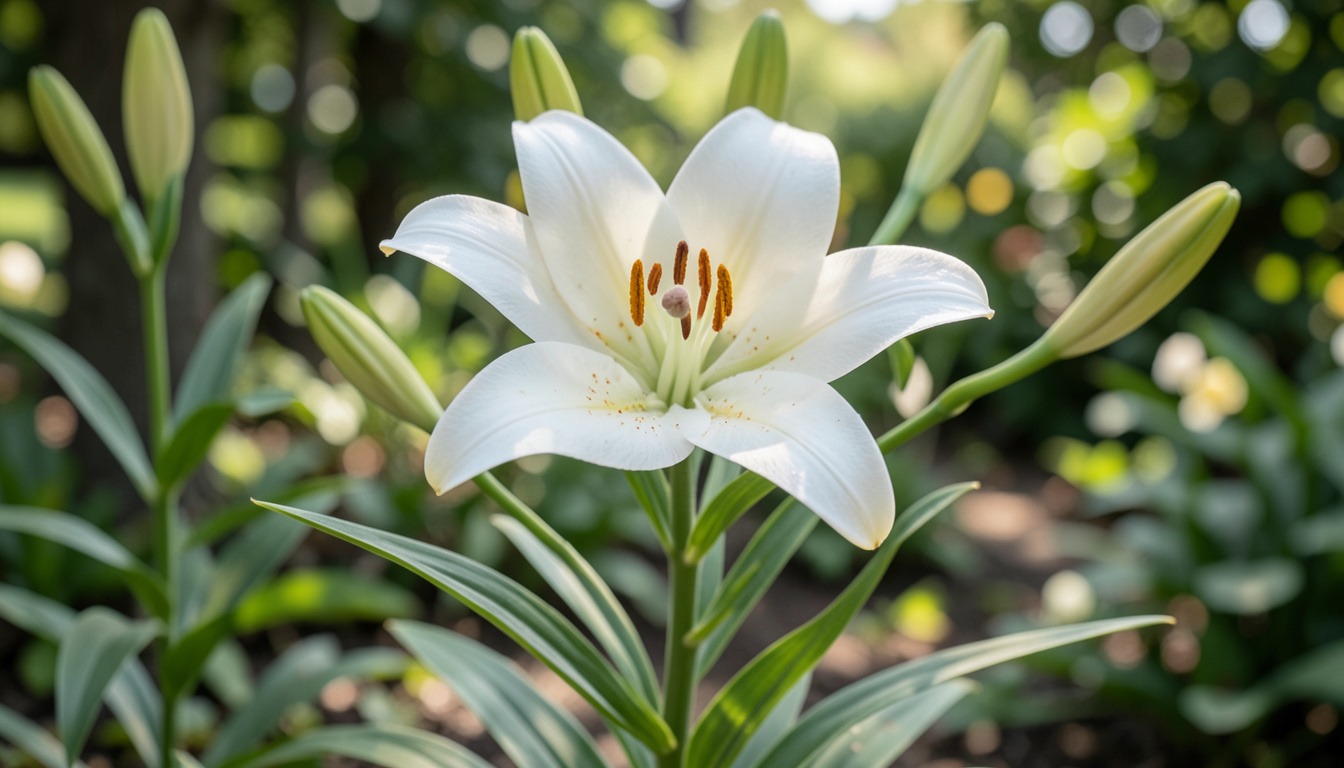
Lilies appear in various biblical passages, each adding depth to their symbolism. Understanding these references enhances our comprehension of the lily’s spiritual significance.
The Song of Solomon: A Lily Among Thorns
In the Song of Solomon, the lily is often mentioned as a metaphor for beauty and purity. The phrase “As the lily among thorns” (Song of Solomon 2:2) illustrates the contrast between the delicate and the harsh. This imagery emphasizes the idea that true beauty can flourish even in difficult circumstances.
- Interpretation: The lily symbolizes the beloved’s purity and uniqueness, standing out amidst adversity.
- Personal Reflection: Believers can draw strength from this metaphor. It encourages them to retain their beauty of spirit in challenging environments.
Jesus’ Teachings in Matthew 6
In the New Testament, Jesus refers to lilies in His teachings about worry and God’s provision. He states, “Consider the lilies of the field, how they grow; they neither toil nor spin” (Matthew 6:28). This passage underscores God’s care for creation.
- Interpretation: Lilies serve as a reminder of divine providence. If God provides for the lilies, He will certainly care for His followers.
- Practical Application: In moments of anxiety, reflect on the lilies. This can help foster trust in God’s provision and reduce worry over life’s uncertainties.
The Role of Lilies in Hosea
Hosea 14:5 mentions, “I will be as the dew unto Israel: he shall grow as the lily.” Here, the lily symbolizes renewal and flourishing life.
- Interpretation: This verse suggests that God rejuvenates His people, allowing them to bloom like lilies.
- Life Application: Individuals facing spiritual dryness can find hope in this promise. It reassures them that renewal is possible through faith.
Summary of Insights
- Contrast and Beauty: The lily’s role in the Song of Solomon highlights beauty amidst difficulties.
- Divine Care: Jesus’ reference to lilies emphasizes God’s provision and calls for trust.
- Renewal: Hosea connects lilies to spiritual rejuvenation, offering hope for growth.
By reflecting on these passages, believers can apply the symbolism of lilies to their personal faith journeys.
The Spiritual Significance of Lilies

Lilies hold profound spiritual meaning in the Bible, symbolizing faith, trust, and God’s provision. Their beauty and resilience offer valuable lessons for believers navigating life’s challenges.
Trusting God Through Life’s Challenges
Lilies exemplify unwavering trust in God’s care. In Matthew 6:28-30, Jesus compares the lilies of the field to human worries, highlighting that if God provides for these flowers, He will certainly care for His people. This imagery encourages believers to surrender their anxieties and embrace faith.
- Key Lessons:
- Trust in God’s provision reflects the natural world.
- Lilies serve as a reminder to focus on faith rather than worry.
- Spiritual growth flourishes when believers rely on divine care.
Lilies in Daily Spiritual Practices
Incorporating the symbolism of lilies can enhance personal faith practices. Here are practical ways to apply lily symbolism in daily life:
- Prayer and Reflection: Begin each day by observing nature. Focus on the beauty of lilies as a reminder of God’s grace and provision.
- Scripture Meditation: Reflect on biblical passages that mention lilies. Use them as a foundation for prayer, fostering deeper trust in God.
- Acts of Service: Just as lilies thrive in their environment, engage in community service. Helping others can cultivate spiritual growth and reinforce trust in divine provision.
Reflecting on Personal Faith Journeys
The life cycle of a lily serves as a metaphor for spiritual growth. Lilies bloom in various seasons, symbolizing perseverance through struggles. Consider these approaches to integrate lily symbolism into your faith journey:
- Identify Personal Seasons: Recognize the seasons of growth and hardship in your life. Reflect on how trusting in God during these times can lead to renewal and blossoming.
- Create a Faith Journal: Document experiences where you felt God’s provision. Use these entries to remind yourself of His faithfulness, akin to the resilience of lilies.
- Engage with the Community: Share insights about the significance of lilies in your faith group. This can foster collective growth and encourage mutual support.
By embracing the symbolism of lilies, believers can cultivate a deeper understanding of their faith, encouraging spiritual growth and trust in God’s unwavering care.
Common Misconceptions About Lilies in the Bible
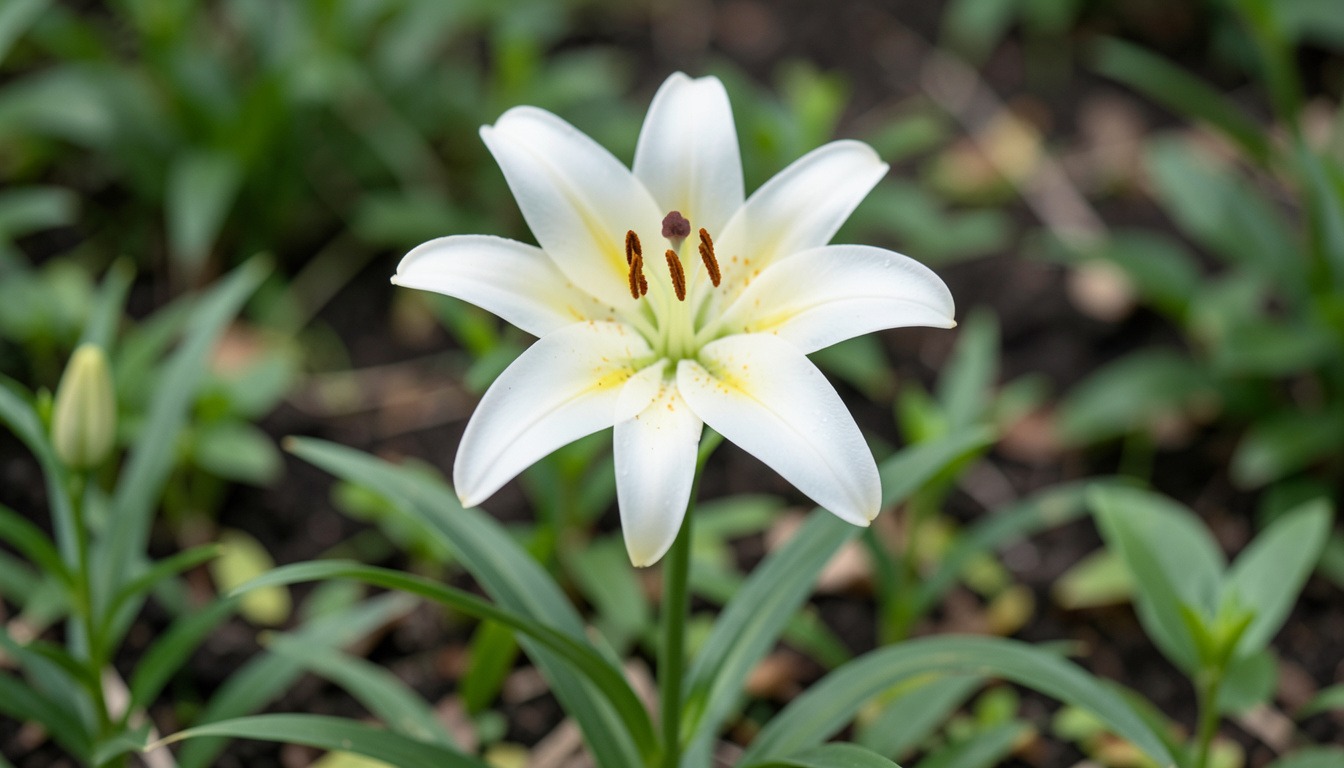
Understanding the biblical meaning of lilies involves navigating several common misconceptions. These misunderstandings can dilute the rich symbolism and spiritual significance that lilies hold in scripture.
Misinterpretations of Lily Symbolism
One prevalent misconception is that lilies solely represent purity without acknowledging their broader symbolism. While purity is a key aspect, lilies also embody beauty, resurrection, and God’s provision. For instance, in Matthew 6:28-30, Jesus uses lilies to illustrate divine care. This connection emphasizes that lilies symbolize more than just holiness; they reflect God’s nurturing nature.
Lilies Compared to Other Biblical Flowers
Lilies are often mistakenly equated with other biblical flowers, such as roses or hyacinths, in terms of symbolism. However, each flower has distinct meanings. For example:
- Roses often symbolize love and sacrifice, particularly in the context of Christ’s suffering.
- Hyacinths can represent sorrow or rebirth in various biblical narratives.
In contrast, lilies consistently symbolize purity, beauty, and divine provision. This uniqueness underscores their importance in biblical texts.
The Importance of Context in Biblical Interpretation
Context plays a crucial role in understanding the symbolism of lilies. For example, in the Song of Solomon, lilies are celebrated for their beauty and innocence. However, outside this poetic context, their meaning may shift. Misinterpreting lilies without considering their scriptural context can lead to a skewed understanding of their significance.
To enhance your understanding, consider the following checklist when exploring the symbolism of lilies:
- Identify the scriptural passage in which lilies are mentioned.
- Analyze the surrounding verses for contextual clues.
- Reflect on the broader themes of purity, beauty, and God’s provision in the passage.
By applying this approach, you can gain a clearer perspective on the multifaceted meanings of lilies in the Bible, enriching your spiritual insights.
Historical and Cultural Context of Lilies
Lilies have held significant roles in various ancient cultures, influencing their depiction in biblical texts. Understanding this historical context enriches our interpretation of their meaning in scripture.
Lilies in Ancient Cultures
In ancient civilizations, the lily symbolized beauty and purity.
- Egyptians celebrated lilies for their connection to fertility and motherhood. They associated the flower with the goddess Isis, reinforcing its sacred status.
- In Greek mythology, the lily was linked to Hera, embodying the ideals of purity and maternal virtue.
These cultural connotations shaped the biblical understanding of lilies, highlighting their importance in conveying spiritual truths.
Early Christian Interpretations
Early Christians adopted the symbolism of lilies to illustrate profound spiritual concepts.
- Lilies represented the Virgin Mary, symbolizing her purity and role as the mother of Jesus. This connection reinforced the flower’s meaning as a sign of divine grace.
- The phrase “lily among thorns” from the Song of Solomon (2:2) symbolizes the beauty and sanctity of love amidst adversity.
These interpretations emphasized the lily’s role as a symbol of hope and purity in the Christian faith.
The Influence of Lilies on Religious Art
The imagery of lilies permeated religious art throughout history.
- Artists frequently depicted lilies in paintings and sculptures to symbolize purity and divine beauty.
- For example, the Annunciation often features lilies to signify Mary’s purity and the miraculous nature of the Incarnation.
This artistic representation reinforces the lily’s biblical meaning, linking it to themes of grace, beauty, and divine provision.
Understanding these historical and cultural contexts reveals how the lily’s symbolism deepens our appreciation for its biblical significance. Consider incorporating this knowledge into your personal reflections on faith. For example, when facing challenges, envision the purity and resilience of the lily as a reminder of hope and divine care.
Frequently Asked Questions
These quick answers cover the most common questions about this topic, including key details, practical tips, and common concerns.
What does the name Lilly mean biblically?
The name Lilly, derived from the flower, symbolizes purity and beauty in biblical contexts. It reflects the qualities associated with the lily, such as innocence and divine grace. In scripture, lilies represent God’s provision and care, making the name Lilly a reminder of these spiritual truths.
Is God’s favorite flower a lily?
While the Bible does not explicitly state that lilies are God’s favorite flower, they are frequently mentioned in scripture as symbols of beauty and God’s provision. Jesus highlights lilies in His teachings to illustrate how God cares for creation, suggesting their significance in His eyes.
What does a lily mean spiritually?
Spiritually, lilies represent purity, beauty, and renewal. They serve as reminders of God’s provision and care, encouraging believers to trust in His guidance. Lilies symbolize the beauty of faith and the promise of spiritual growth, making them powerful symbols in one’s spiritual journey.
What did Jesus say about lilies?
In Matthew 6:28-30, Jesus teaches about worry and God’s provision, saying, “Consider the lilies of the field, how they grow; they neither toil nor spin.” This passage emphasizes that if God cares for the lilies, He will certainly care for His followers, urging believers to trust in His divine provision.
How can I apply the symbolism of lilies in my life?
You can apply the symbolism of lilies by reflecting on God’s care and provision in your life. Consider meditating on passages that mention lilies, using them as a foundation for prayer. Engage in acts of kindness and service, emulating the beauty and purity that lilies represent.
Are there other flowers mentioned in the Bible with similar meanings?
Yes, several flowers in the Bible carry similar meanings. For example, the rose often symbolizes love and sacrifice, while hyacinths can represent sorrow or rebirth. Each flower has unique attributes, but like lilies, they convey significant spiritual lessons and themes.
What is the significance of the color of lilies in biblical symbolism?
The color of lilies can enhance their symbolism. White lilies, for instance, are often associated with purity and innocence, reflecting the qualities of the Virgin Mary. In contrast, other colors may carry different meanings, but the overarching theme remains tied to beauty and divine grace.