
In the Bible, ‘green pastures’ symbolize peace, nourishment, and divine guidance, particularly in Psalm 23:2, where they represent God’s provision and care for His people, illustrating a place of rest and spiritual fulfillment.
The phrase ‘green pastures’ from Psalm 23:2 holds deep biblical significance, portraying God’s nurturing and protective nature. This guide explores its meaning, context, and implications for spiritual nourishment and guidance in a believer’s life.
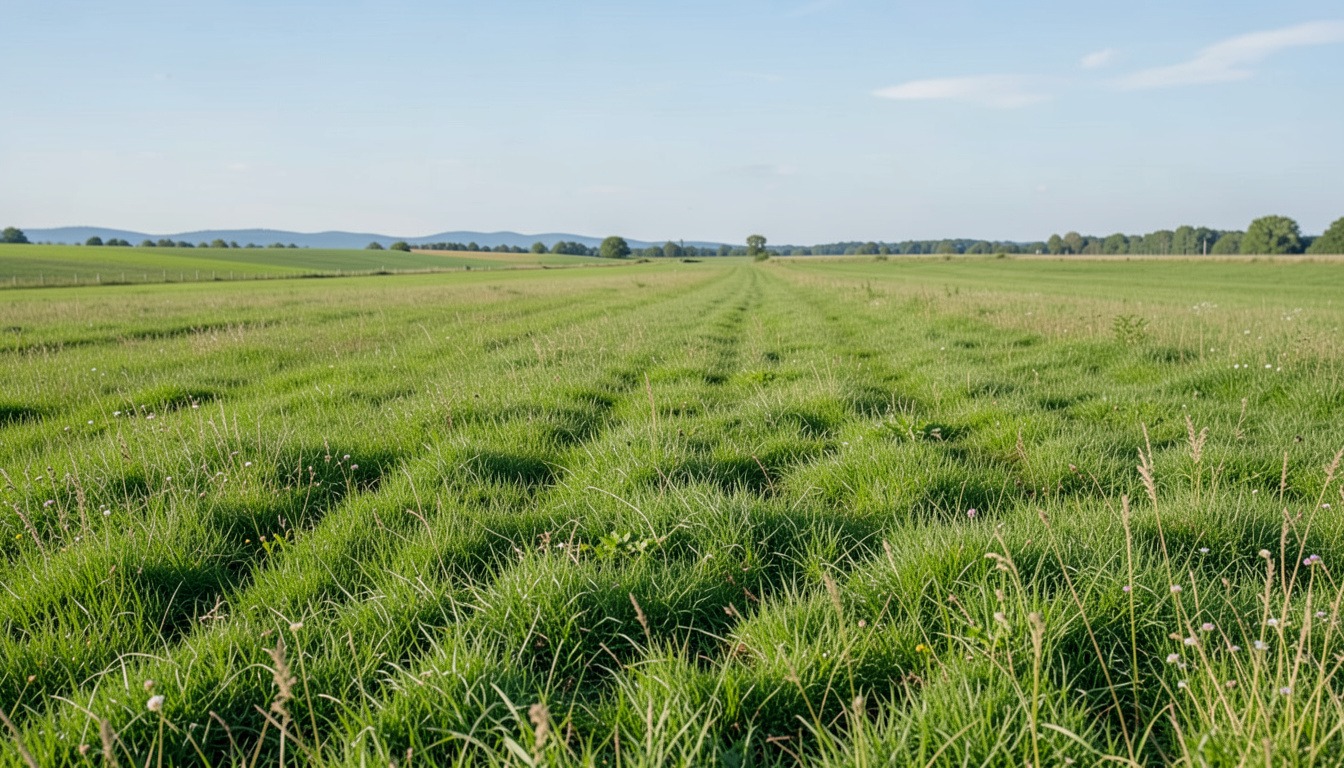
The Significance of Green Pastures in Psalm 23:2
The imagery of ‘green pastures’ in Psalm 23:2 symbolizes divine provision and peace. This metaphor reveals God’s nurturing character, offering believers a sanctuary of spiritual and physical nourishment.
Symbolism of Green Pastures in Scripture
In biblical terms, green pastures represent a state of tranquility and abundance. Psalm 23:2 states, “He makes me lie down in green pastures.” This line indicates God’s invitation to rest and find solace. The lushness of green pastures signifies not just physical sustenance but also emotional and spiritual well-being.
- Peace and Security: Green pastures symbolize a safe haven, contrasting the chaos of life. They reflect God’s promise to care for His people.
- Spiritual Nourishment: Just as sheep graze in rich pastures, believers are nourished by God’s Word and presence. This highlights the importance of cultivating one’s spiritual life.
Historical Context of Shepherding
Understanding the role of shepherds in biblical times enhances the meaning of green pastures. Shepherding was a vital occupation, symbolizing care, guidance, and protection.
- Shepherd’s Duties: Shepherds led their flocks to fertile pastures and still waters. They ensured the safety and well-being of the sheep, reflecting God’s relationship with humanity.
- Cultural Significance: In ancient Israel, sheep were central to the economy and religious practices. The shepherd’s role was not merely to feed but to protect and nurture the flock, akin to God’s care for His followers.
Implications for Modern Believers
The concept of green pastures offers practical applications for today’s believers. It encourages seeking peace and spiritual nourishment in daily life.
- Finding Peace: Believers can find tranquility by engaging in prayer, meditation, and studying scripture. By intentionally seeking God’s presence, they can experience the comfort of green pastures in their lives.
- Community and Support: Just as sheep thrive in a flock, individuals benefit from community support. Sharing experiences of faith can provide mutual encouragement and reassurance.
By exploring the biblical meaning of green pastures through these lenses, believers can deepen their understanding of God’s provision and peace in their lives.
Spiritual Nourishment: Finding Peace in Green Pastures

The imagery of green pastures in Psalm 23:2 signifies a place where believers can find spiritual nourishment and peace. Understanding this concept allows individuals to seek divine guidance and tranquility amidst life’s challenges.
Practical Steps to Seek God’s Guidance
Believers can actively pursue spiritual nourishment through various practices. Here are some actionable steps:
- Daily Prayer: Set aside time each day to communicate with God. Use this time to express gratitude and seek guidance.
- Meditation on Scripture: Reflect on passages that resonate with the theme of peace, such as Psalm 23. Contemplate how these verses apply to your life.
- Nature Walks: Spend time in nature to reflect on God’s creation. Allow the tranquility of the outdoors to inspire peace within.
- Journaling: Write down your thoughts, prayers, and experiences. This practice can help clarify feelings and reinforce your connection with God.
When to Find Rest in Green Pastures
Recognizing moments to seek rest is vital for spiritual health. Consider these situations:
- During Stressful Times: When life feels overwhelming, retreat to your “green pastures.” Engage in prayer or meditation to find solace.
- In Times of Decision: Seek God’s guidance when facing important choices. Rest in His presence and trust in His direction.
- After Exhaustion: Following periods of intense work or emotional strain, take time to recharge spiritually. Embrace quiet moments to restore your soul.
Spiritual Practices for Peace
Implementing regular spiritual practices can lead to deeper peace and fulfillment. Here’s a checklist to guide you:
- Participate in Community Worship: Engage with your faith community through services or study groups. This fosters support and encouragement.
- Volunteer for Service: Helping others can provide a sense of purpose and connection to God’s love. Look for opportunities to serve within your community.
- Engage in Creative Expression: Use art, music, or writing to express your faith. Creativity can be a powerful way to connect with God.
- Practice Gratitude: Each day, write down three things you are thankful for. This cultivates a positive mindset and draws your focus to God’s provision.
By embracing these practices, believers can experience the transformative power of peace that comes from trusting in God’s provision and guidance, much like the serenity depicted in green pastures.
Common Misconceptions About Green Pastures

Understanding the biblical meaning of “green pastures” often involves encountering common misconceptions. These misunderstandings can obscure the true significance of this imagery in scripture, particularly regarding abundance and peace.
Misinterpretations of Abundance
Many interpret “green pastures” as solely a representation of material wealth or prosperity. However, the biblical context emphasizes spiritual nourishment over physical abundance. In Psalm 23:2, the focus is on God’s provision for the soul, not merely on material gain.
- True Abundance: This refers to spiritual fulfillment and the peace that comes from a close relationship with God.
- Misconception: Abundance equates to financial success or physical comfort.
For instance, believers often overlook that true abundance can manifest in emotional and spiritual well-being, even in times of hardship.
The True Nature of Peace
Another common misconception is equating peace with the absence of conflict. The peace described in Psalm 23 is a profound tranquility that exists even amidst life’s challenges. This peace comes from trusting in God’s guidance and provision.
- Biblical Peace: Encompasses wholeness and contentment rooted in faith.
- Misconception: Peace means life will be free from trials and tribulations.
Consider the story of a believer who, despite facing significant life challenges, found comfort and peace through prayer and trust in God. This illustrates the depth of peace that “green pastures” signifies, which transcends mere circumstances.
Clarifying the Imagery in Psalm 23
The imagery of “green pastures” is often misunderstood as a simple pastoral scene. However, it conveys a deeper theological message about God as the shepherd who provides care and guidance.
- Context of Shepherding: In biblical times, shepherds led their flocks to safe, nourishing areas, symbolizing God’s active role in guiding believers.
- Misconception: The imagery is purely about physical rest.
In reality, it reflects a holistic approach to well-being—nurturing both body and spirit. By recognizing this, believers can better appreciate the full scope of God’s promise.
Summary of Key Misconceptions
| Misconception | Truth |
|---|---|
| Abundance equals material wealth | True abundance is spiritual |
| Peace means absence of conflict | Peace exists amid challenges |
| Green pastures are just pastoral | They symbolize divine guidance |
Awareness of these misconceptions allows for a richer understanding of “green pastures” and invites believers to seek spiritual nourishment and peace in their lives.
Comparison of Green Pastures with Other Biblical Metaphors

The imagery of “green pastures” in Psalm 23 serves as a poignant metaphor for divine provision and peace. This metaphor interlinks with various other biblical symbols that illustrate God’s guidance and care for His people. By examining these connections, we can deepen our understanding of spiritual nourishment and the tranquil life God offers.
Green Pastures vs. Still Waters
In Psalm 23:2, the phrase “He leads me beside still waters” complements the concept of “green pastures.” Both imagery pieces depict a state of peace and restoration.
- Green Pastures: Symbolizes physical and spiritual nourishment. It reflects God’s provision and the abundance that comes from being in His presence.
- Still Waters: Represents tranquility and calmness. It signifies the restoration of the soul, emphasizing the need for inner peace amidst life’s chaos.
Together, these elements portray a holistic approach to spiritual well-being. They remind believers to seek both nourishment and rest in God.
The Good Shepherd in John 10
Jesus identifies Himself as the Good Shepherd in John 10:11. This metaphor aligns closely with the imagery of green pastures in Psalm 23.
- Shepherd’s Role: The Good Shepherd protects and provides for His flock, leading them to places of safety and sustenance.
- Connection to Green Pastures: Just as a shepherd leads sheep to lush pastures, Jesus guides believers to spiritual abundance and peace.
This metaphor reassures followers that they are cared for, encouraging trust in divine guidance.
Other Biblical Imagery of Peace
Several biblical metaphors echo the themes present in the concept of green pastures.
- The Vine and Branches (John 15:5): This imagery emphasizes unity with Christ as a source of nourishment and strength. Just as branches draw sustenance from the vine, believers draw spiritual vitality from their relationship with Jesus.
- The Rock (Psalm 18:2): Describing God as a rock symbolizes stability and safety. In times of turmoil, believers can find refuge and strength in God’s unwavering presence.
These metaphors collectively illustrate God’s comprehensive care for His people, offering various avenues for experiencing peace and guidance throughout life’s journey.
Practical Applications
To seek spiritual nourishment akin to “green pastures,” consider the following:
- Daily Reflection: Set aside time each day for prayer and meditation to connect with God.
- Community Involvement: Engage with a faith community to find support and encouragement.
- Nature Connection: Spend time in nature, reflecting on the beauty and provision God offers.
These practices can help cultivate a life rich in peace and spiritual fulfillment, akin to the tranquil imagery of green pastures.
Frequently Asked Questions
These quick answers cover the most common questions about this topic, including key details, practical tips, and common concerns.
What does “pasture” mean biblically?
In biblical terms, a “pasture” refers to a place where livestock graze and find nourishment. It symbolizes not only physical sustenance but also spiritual nourishment. The imagery of pastures in scripture often conveys themes of abundance, peace, and divine provision, highlighting God’s care for His people.
What does “he makes me lie down in green pastures” mean in Psalm 23:2?
This phrase signifies God’s invitation to find rest and peace in His presence. “Green pastures” represent a state of tranquility where believers can experience spiritual nourishment and comfort. It illustrates God’s nurturing role as a shepherd, guiding His followers to places of safety and fulfillment.
What does ‘green pastures’ symbolize in the Bible?
Green pastures symbolize peace, abundance, and divine care. They reflect a safe haven where believers can find rest and spiritual nourishment. This imagery emphasizes God’s provision and the tranquility that comes from trusting in His guidance, contrasting with the chaos of worldly life.
How can I apply the meaning of green pastures to my life?
To apply the concept of green pastures, prioritize seeking peace and spiritual nourishment through prayer, meditation, and studying scripture. Engage with your faith community for support and encouragement. Additionally, take time to rest and reflect, especially during stressful periods, to reconnect with God and experience His peace.
What is the significance of Psalm 23 in Christian faith?
Psalm 23 is significant as it reassures believers of God’s constant presence and guidance. It portrays God as a loving shepherd who provides for and protects His flock. The themes of peace, nourishment, and divine care resonate deeply in the Christian faith, offering comfort during life’s challenges.
How does God provide for us according to the Bible?
God provides for us through His Word, guidance, and the support of the faith community. He offers spiritual nourishment that sustains believers in times of need. Additionally, God’s provision can manifest in various forms, including emotional strength, wisdom for decision-making, and physical needs, illustrating His comprehensive care.
What other biblical verses relate to the concept of peace and guidance?
Several verses echo the themes of peace and guidance found in Psalm 23. For instance, Philippians 4:6-7 speaks of the peace of God that transcends understanding, while Isaiah 26:3 promises perfect peace to those who trust in God. These passages reinforce the idea that true peace comes from reliance on God’s presence and guidance.