
Flowers hold deep spiritual meanings, representing concepts like love, purity, and enlightenment across cultures.
Understanding the spiritual meaning of flowers deepens our connection to nature and enhances our spiritual practices. Each flower carries unique symbolism that resonates with different aspects of life, making them powerful tools for personal growth and spiritual enlightenment.
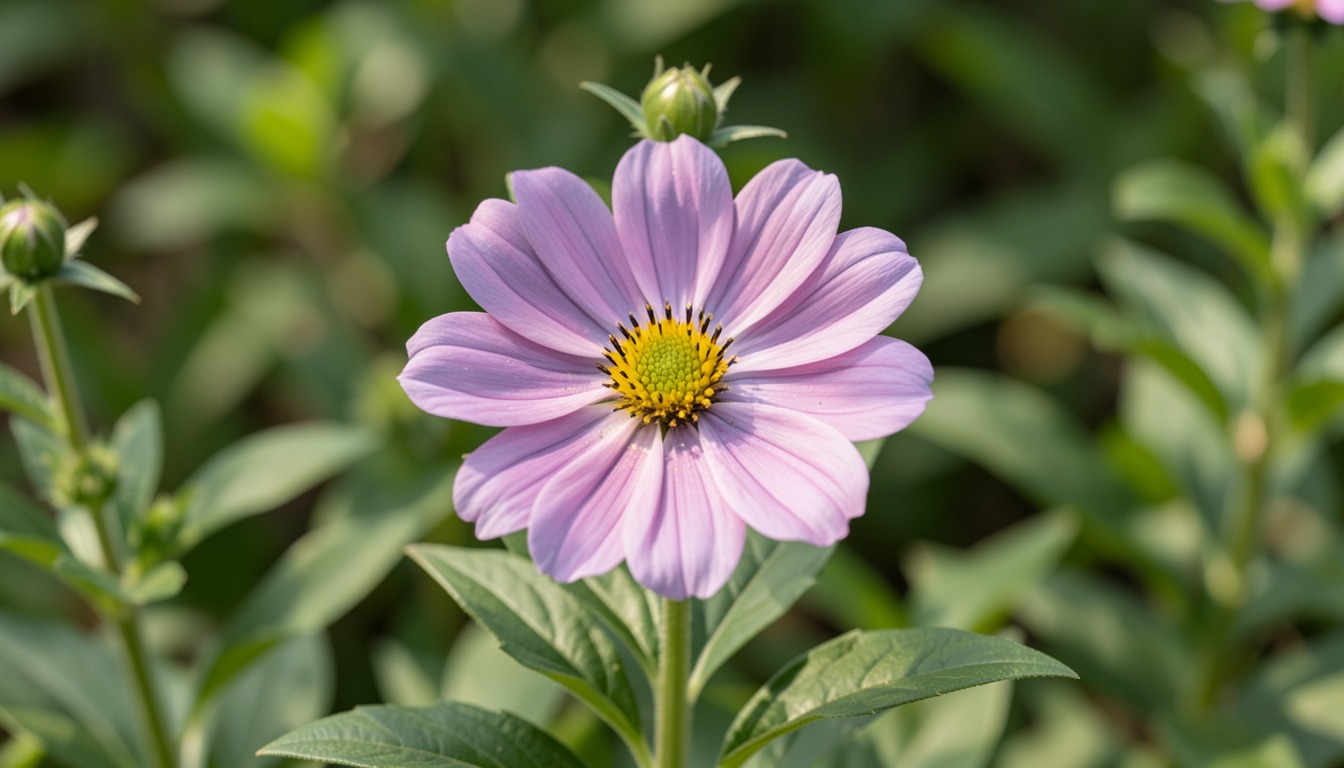
Understanding Spiritual Symbolism in Flowers
Flowers possess profound spiritual symbolism that transcends mere aesthetics. They communicate deeper meanings and emotions, acting as conduits for spiritual expression across cultures.
What is Spiritual Symbolism in Flowers?
Spiritual symbolism in flowers refers to the meanings attributed to various blooms within spiritual contexts. Each flower embodies specific qualities or emotions, often linked to personal and collective experiences.
- Lotus: Represents purity and enlightenment, especially in Eastern philosophies.
- Rose: Universally symbolizes love, encompassing a spectrum from romantic to platonic.
- Jasmine: Associated with divine love and spiritual rituals, often used in meditation practices.
These symbols help individuals articulate their feelings and intentions in spiritual practices.
Historical Context of Flower Symbolism
The significance of flowers in spiritual contexts dates back centuries. Different cultures have assigned meanings to flowers based on local traditions, beliefs, and natural characteristics.
- Ancient Civilizations: Early societies viewed flowers as symbols of fertility and renewal. The Egyptians revered the lotus for its connection to creation and rebirth.
- Eastern Religions: In Buddhism, the lotus symbolizes spiritual awakening, while in Hinduism, marigolds are often used in rituals to invite divine blessings.
- Victorian Era: The language of flowers, known as floriography, gained popularity in 18th and 19th century Europe. Flowers became a medium for secret communication, each bloom conveying specific messages.
How Spiritual Meanings Evolved Over Time
As cultures interacted, the meanings of flowers evolved. This transformation reflects changing beliefs and practices.
- Cultural Exchange: The symbolism of the rose has shifted from a representation of love in ancient Greece to a complex symbol of beauty and passion in modern interpretations.
- Adaptation: Various flowers have taken on new meanings based on societal trends. For example, the daisy represents innocence and purity in Western cultures, but in some Asian cultures, it symbolizes new beginnings.
Understanding these dynamics enhances one’s appreciation for flower symbolism in spiritual contexts. Consider how you might incorporate specific flowers into your daily practices or personal rituals to align with their meanings.
The Lotus: A Symbol of Purity and Enlightenment
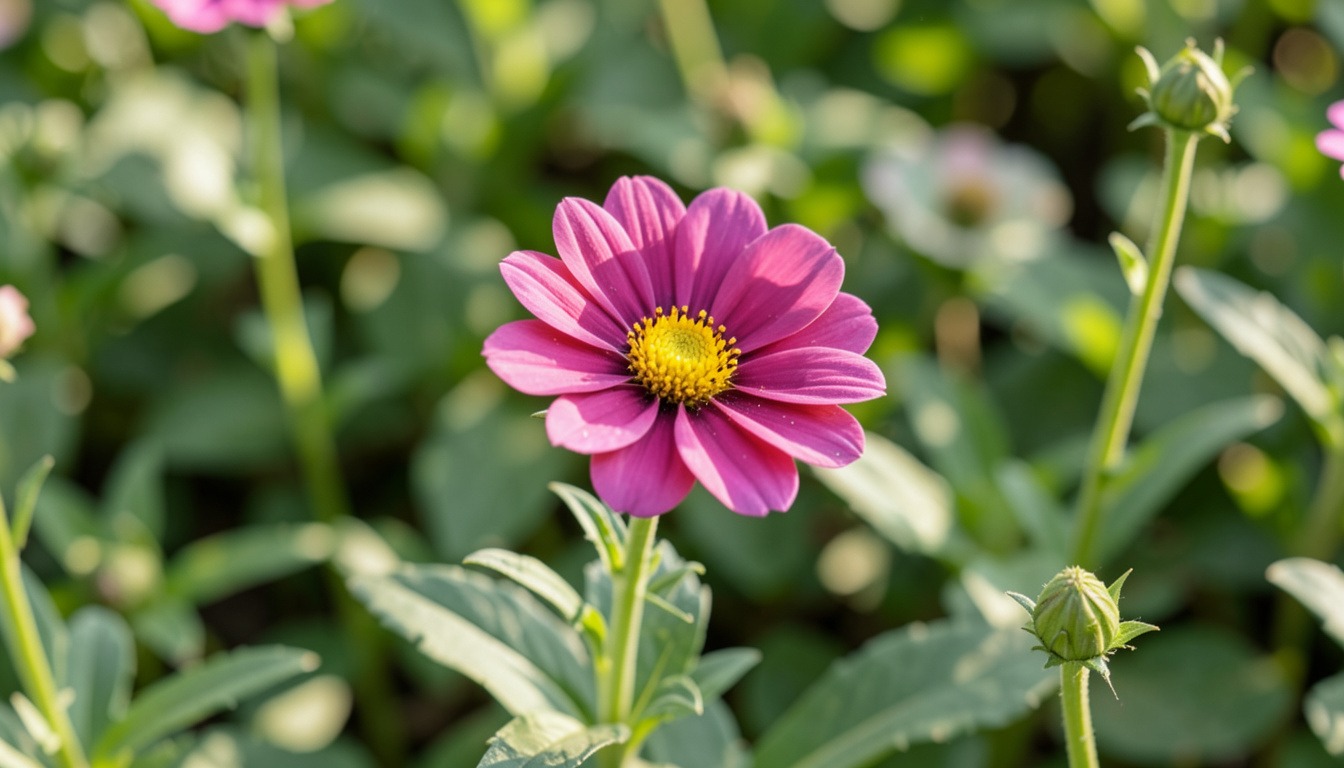
The lotus flower holds profound spiritual significance in various cultures. Its ability to bloom in muddy waters makes it a powerful symbol of purity, enlightenment, and resilience.
Cultural Significance of the Lotus in Buddhism and Hinduism
In Buddhism, the lotus represents the journey of the soul towards enlightenment. It emerges from murky waters, symbolizing the ability to rise above suffering. This metaphor extends to the idea of purity—both of the mind and spirit.
In Hinduism, the lotus is associated with several deities, including Lakshmi and Vishnu. For instance, Lakshmi, the goddess of wealth and prosperity, is often depicted seated on a lotus. This positioning signifies beauty, abundance, and spiritual awakening. The lotus is a recurring motif in religious texts and art, reinforcing its sacred status.
Lotus in Ancient Egypt
In Ancient Egypt, the blue lotus (Nymphaea caerulea) held similar spiritual significance. It was a symbol of the sun and rebirth, often associated with the cycle of life. The flower’s habit of closing at night and reopening at dawn made it a potent emblem of resurrection. This connection reflects the Egyptians’ deep reverence for nature and its cycles.
Modern Interpretations of Lotus Symbolism
Today, the lotus continues to inspire spiritual practices worldwide. Many people incorporate the lotus into meditation and yoga, viewing it as a reminder of inner peace and growth.
Practical Applications:
- Meditation: Visualizing a lotus during meditation can enhance the experience of reaching deeper states of consciousness.
- Home Decor: Lotus imagery in home decor can serve as a daily reminder of personal growth and resilience.
- Tattoo Symbolism: Many choose lotus tattoos to symbolize their journey through life’s challenges.
The lotus serves not only as a spiritual symbol but also as a practical guide for personal development. Its meanings are rich and multilayered, varying by culture yet consistently emphasizing purity and enlightenment.
The Rose: Universal Symbol of Love and Spirituality
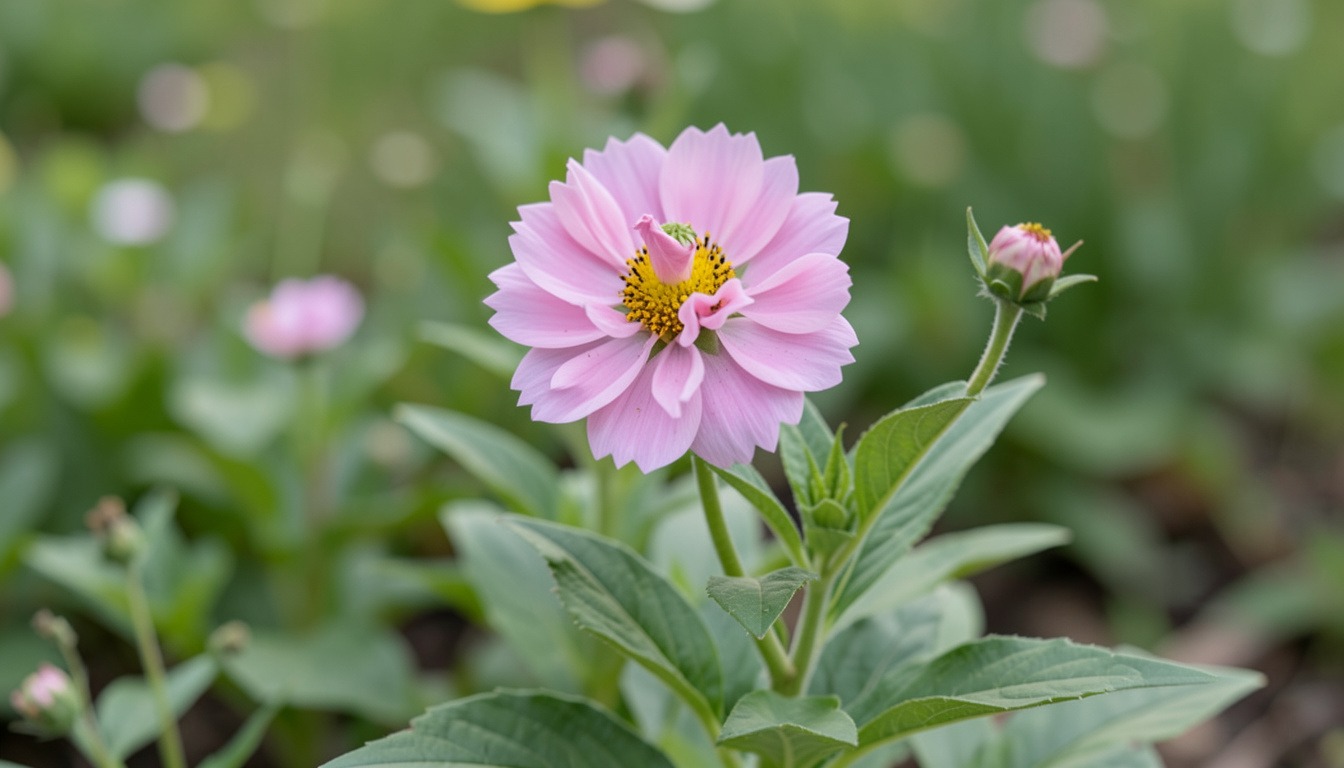
The rose is often celebrated as the quintessential symbol of love. However, its spiritual significance extends far beyond romantic connotations, encompassing a rich tapestry of meanings across cultures.
Different Colors of Roses and Their Meanings
The color of a rose deeply influences its spiritual interpretation. Each hue carries distinct meanings that resonate with various aspects of love and spirituality.
- Red Rose: Symbolizes passionate love and desire. It is often associated with deep emotional connections and romantic relationships.
- White Rose: Represents purity, innocence, and new beginnings. In spiritual contexts, it is linked to spiritual enlightenment and renewal.
- Yellow Rose: Conveys friendship and joy. In some interpretations, it also signifies a decrease in love, emphasizing the complexity of relationships.
- Pink Rose: Symbolizes admiration and gratitude. It embodies a softer approach to love, often reflecting appreciation for loved ones.
- Black Rose: Though often misunderstood, it can represent rebirth or the end of a cycle, making it a powerful symbol of transformation.
The Role of Roses in Spiritual Practices
Roses play a significant role in various spiritual rituals and practices. Their presence is often seen as a conduit for spiritual energy and emotional healing.
- Ritual Offerings: In many cultures, roses are offered in rituals to invoke blessings and protection. Their fragrance is believed to attract positive energies.
- Meditation and Visualization: Practitioners may visualize roses during meditation to enhance feelings of love and compassion. This can deepen spiritual experiences and promote emotional balance.
- Aura Cleansing: The energy of roses is thought to cleanse and uplift the aura, helping individuals connect with their higher selves.
Historical Significance of the Rose in Rituals
Historically, roses have held deep spiritual significance across various cultures. Their use in rituals reflects their profound connection to human emotions and spiritual beliefs.
- Ancient Civilizations: In ancient Rome and Greece, roses were dedicated to Venus and Aphrodite, goddesses of love. They symbolized devotion and beauty.
- Religious Symbolism: In Christianity, the rose symbolizes the Virgin Mary, representing purity and maternal love. This connection highlights the rose’s dual role in both love and spirituality.
- Cultural Practices: Many cultures incorporate roses in ceremonies, such as weddings and funerals, recognizing their ability to convey complex emotions.
Understanding the multifaceted meanings of roses enriches their spiritual significance. Their colors, roles in rituals, and historical contexts combine to create a powerful symbol that resonates with love, healing, and transformation.
Jasmine: The Fragrance of Divine Love
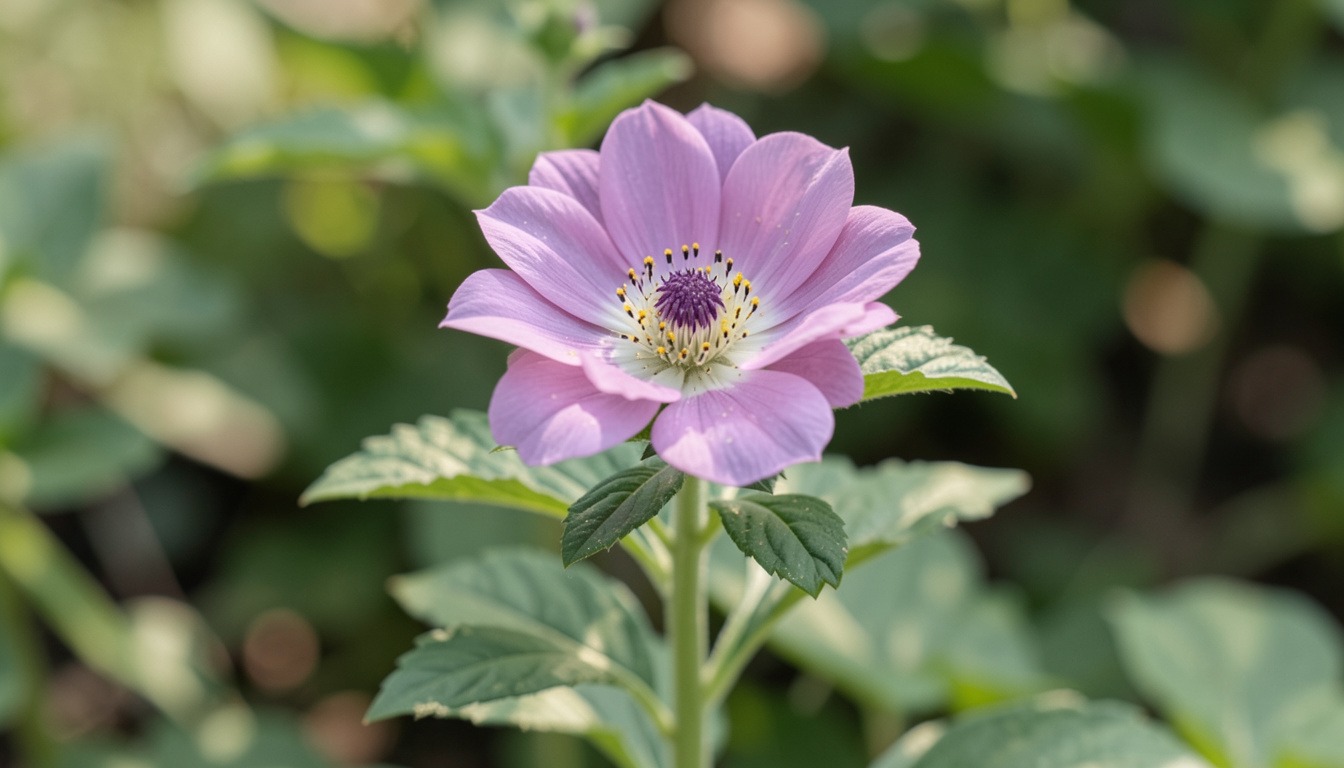
Jasmine is revered not only for its enchanting aroma but also for its deep spiritual significance across various cultures. This flower symbolizes divine love, purity, and the essence of spiritual connection.
Jasmine in Spiritual Rituals and Practices
Jasmine plays a prominent role in numerous spiritual rituals. It is often used in:
- Puja Offerings: In Hinduism, jasmine is offered during morning pujas, especially in worship of deities like Shiva. Its scent is believed to purify the atmosphere and elevate spiritual energy.
- Aura Cleansing: Practitioners use jasmine to cleanse auras during meditation, enhancing spiritual clarity.
- Garlands for Worship: Strung into garlands, jasmine flowers are used in religious ceremonies and celebrations, symbolizing devotion and purity.
The Symbolism of Jasmine in Love and Purity
Jasmine embodies the dual themes of love and purity. Its white blossoms are associated with:
- Divine Love: The fragrance of jasmine evokes feelings of love and attachment. It is often linked to romantic relationships and spiritual connections.
- Cultural Significance: In many cultures, jasmine is a symbol of purity. For instance, in parts of Southeast Asia, it is worn by brides, representing their pure intentions and devotion.
Cultural Variations in the Interpretation of Jasmine
Different cultures interpret jasmine’s symbolism in unique ways. Here are some examples:
- India and Pakistan: Jasmine is a national flower, symbolizing love and purity. It is integral to wedding celebrations and daily worship.
- Middle Eastern Cultures: Jasmine is associated with sensuality and beauty. Its fragrance is often used in perfumes that symbolize romantic allure.
- Western Cultures: While less prominent, jasmine signifies love and is used in various ceremonial contexts, often linked to emotional depth.
In modern spirituality, incorporating jasmine into personal rituals can deepen one’s connection to these themes. Consider using jasmine essential oil during meditation or placing fresh jasmine flowers on your altar to enhance spiritual practices.
Marigold: A Flower of Devotion and Protection
The marigold is more than just a vibrant bloom; it holds deep spiritual significance, particularly in Hindu culture. This flower symbolizes devotion and protection, making it a staple in many religious rituals and celebrations.
Marigold’s Role in Hindu Worship
In Hinduism, marigolds play a crucial role in worship and rituals. They are often used in garlands and decorations for altars. Marigolds symbolize the impermanence of life, reminding devotees to cherish their spiritual journey. These flowers are integral to ceremonies like:
- Puja (Worship): Marigolds are offered to deities during puja, symbolizing respect and devotion.
- Weddings: They adorn bridal attire and venues, representing joy and prosperity.
- Festivals: During festivals such as Diwali, marigolds are used to decorate homes, inviting divine blessings.
Symbolism of Marigold in Festivals
Marigolds are prominent in various Indian festivals, celebrated for their vibrant colors and spiritual meanings. For example:
- Diwali: The Festival of Lights sees marigolds used in decorations to invite prosperity and happiness.
- Holi: During this festival of colors, marigolds symbolize the arrival of spring and renewal.
- Navaratri: These flowers are essential in the nine nights of worship, representing devotion to the goddess Durga.
In these contexts, marigolds not only enhance the aesthetic but also carry the weight of spiritual significance.
How Marigold Represents Protection
Marigolds are believed to have protective qualities. Many cultures view them as guardian flowers, warding off negative energies. In spiritual practices, marigolds serve various protective functions:
- Cleansing Rituals: Used in rituals to cleanse spaces of negativity.
- Home Decoration: Hanging marigold garlands is thought to safeguard homes.
- Offerings: Presenting marigolds to deities is believed to invoke divine protection.
Incorporating marigold flowers into personal spiritual practices can amplify feelings of safety and devotion.
Spiritual Meanings of Other Flowers
While many know the spiritual meanings of popular flowers, several lesser-known varieties also carry significant symbolism. These blooms can enhance spiritual practices and offer unique meanings across various cultures.
Chrysanthemum: Symbol of Life and Rebirth
Chrysanthemums, often called “mums,” are deeply revered in many cultures, particularly in Asia. They symbolize life, rebirth, and renewal.
- Cultural Significance: In Japan, chrysanthemums are celebrated during the Festival of Happiness. They represent longevity and are often associated with the emperor.
- Spiritual Use: Mums are used in meditation practices to foster a sense of peace and reflection. Incorporating them in altars can enhance intentions of renewal.
Iris: A Bridge Between Worlds
The iris is another flower rich in spiritual meaning. It serves as a bridge between the earthly and the divine.
- Symbolism: In Greek mythology, the iris is linked to the goddess Iris, who symbolizes connection and communication between heaven and earth.
- Practical Application: In spiritual rituals, irises are used to facilitate communication with the spirit world. Placing irises on altars can invite guidance and wisdom.
Lavender: Calming and Purifying Spirit
Lavender is renowned for its calming properties, both in aromatherapy and spiritual practices.
- Spiritual Significance: Lavender symbolizes purity and tranquility. Its calming scent is believed to purify spaces and promote spiritual clarity.
- Usage in Rituals: Burned as incense or used in sachets, lavender enhances meditation and relaxation. It can also be incorporated into cleansing rituals to dispel negative energies.
Lesser-Known Flowers with Spiritual Meanings
Here are some additional flowers that hold unique spiritual significance:
| Flower | Spiritual Meaning |
|---|---|
| Yarrow | Protection and healing |
| Bluebell | Humility and gratitude |
| Heliotrope | Devotion and eternal love |
| Pansy | Thoughtfulness and remembrance |
Understanding these spiritual meanings can enrich personal practices and deepen connections to the natural world. Each flower provides an avenue for exploration and intention-setting in spiritual endeavors.
Misconceptions About Flower Meanings
Flower symbolism is often clouded by myths and oversimplifications. Understanding these misconceptions can illuminate the true spiritual meanings behind various blooms.
Common Myths Surrounding Flower Symbolism
1. All Flowers Have Universal Meanings: Many believe that a flower’s meaning is the same across cultures. In reality, interpretations can vary widely. For instance, while roses are commonly associated with love in Western cultures, other flowers like the white lily may symbolize purity or mourning, depending on the cultural context.
2. Colors Always Convey the Same Message: The color of a flower can shift its meaning dramatically. For example, red roses symbolize romantic love, but yellow roses can signify friendship. In some cultures, yellow roses are even linked to jealousy.
3. Spiritual Meanings Are Fixed: Some assume that the spiritual significance of flowers is static. However, meanings can evolve over time and may be influenced by personal experiences or regional practices. For instance, the peony has transitioned from symbolizing bashfulness in Victorian times to representing prosperity and romance today.
Why Understanding Context is Important
Context plays a crucial role in interpreting flower meanings. A flower’s significance can change based on the occasion, the giver’s intent, and the recipient’s cultural background. For example, gifting a white chrysanthemum in some Asian cultures may convey respect and honor, while in others, it represents grief.
How Cultural Differences Affect Meanings
The spiritual meanings of flowers are deeply intertwined with cultural narratives. Here are a few examples:
| Flower | Western Interpretation | Eastern Interpretation |
|---|---|---|
| Lotus | Purity and enlightenment | Spiritual awakening |
| Jasmine | Love and beauty | Divine love and spirituality |
| Marigold | Passion and creativity | Reverence for ancestors |
This table underscores how flowers like the lotus and jasmine carry distinct meanings in different cultures. These variations highlight the importance of understanding cultural contexts when exploring flower symbolism.
Embracing these complexities enriches your spiritual practice, allowing for a more profound connection to the flowers that resonate with you.
Practical Applications: Choosing Flowers for Spiritual Purposes
Selecting flowers for spiritual purposes involves understanding their meanings and how they can enhance your personal practices. Here are practical ways to choose flowers that resonate with your spiritual journey.
How to Choose Flowers for Meditation
When selecting flowers for meditation, consider their spiritual symbolism. Each flower embodies unique energies that can support your practice. Here’s a quick guide:
- Lotus: Represents purity and enlightenment; ideal for focusing on inner peace.
- Lavender: Promotes calmness and tranquility; perfect for stress relief.
- Rose: Symbolizes love and compassion; suitable for fostering self-love.
To choose effectively, ask yourself what you wish to cultivate during meditation. Identify the flower that aligns with your intention.
Flowers for Healing and Restoration
Flowers can also play a vital role in healing and restoration. Here are a few flowers known for their healing properties:
- Jasmine: Associated with divine love; enhances emotional balance.
- Sunflower: Represents positivity and warmth; uplifts the spirit.
- Marigold: Known for vibrant energy; encourages creativity and joy.
Creating a healing space can involve placing these flowers in your environment. Their presence can foster a sense of comfort and renewal.
Rituals for Flower Offerings
In many cultures, flowers are used in rituals as offerings. They symbolize respect and gratitude, enhancing the spiritual atmosphere. Here’s how to incorporate flowers into your rituals:
- Select Meaningful Flowers: Choose blooms that resonate with your intention, such as white lilies for purity or red roses for love.
- Create a Dedicated Space: Set aside an area for your flower offerings. This could be an altar or a quiet corner.
- Express Your Intent: When placing flowers, speak your intentions aloud or quietly meditate on them.
By understanding the significance of each flower, you can deepen your spiritual practice. This approach transforms a simple gesture into a profound connection with the spiritual realm.
Flower Symbolism Across Cultures
Flowers hold deep spiritual meanings that vary significantly across cultures. Understanding these interpretations enhances our appreciation of their significance in spiritual practices.
Comparative Analysis of Flower Meanings
Different cultures assign unique meanings to the same flowers. Here are some notable examples:
- Lotus:
- East Asian cultures: Symbolizes purity and enlightenment, often associated with spiritual awakening.
- Indian culture: Represents divine beauty and is linked to various deities.
- Rose:
- Western cultures: Universally recognized as a symbol of love and passion.
- Middle Eastern cultures: Represents beauty and secrecy, often associated with mysticism.
- Jasmine:
- Southeast Asian traditions: Linked to divine love and often used in spiritual rituals.
- Western contexts: Symbolizes purity and simplicity, frequently used in perfumes and aromatherapy.
Cultural Variations in Flower Symbolism
The cultural context influences how flowers are perceived spiritually. For instance:
- Marigold:
- Mexican culture: Celebrated during Día de los Muertos, symbolizing the connection between the living and the dead.
- Hindu tradition: Represents the sun and is associated with the divine, often used in religious ceremonies.
- Lily:
- Western cultures: Commonly signifies purity and innocence, especially in weddings.
- East Asian cultures: May symbolize death and mourning, particularly white lilies.
How Global Traditions Influence Flower Interpretations
Global traditions shape the meanings attributed to flowers. Here are some insights:
- Peony:
- Chinese culture: Known as “the most beautiful flower,” symbolizing wealth and prosperity.
- Victorian England: Originally represented bashfulness but has evolved to symbolize romance and good fortune.
- Chrysanthemum:
- Japanese culture: Celebrated as a symbol of longevity and rejuvenation, often featured in festivals.
- Western interpretations: May denote grief, particularly in funerals.
Understanding these variations provides a richer perspective on flower symbolism. In spiritual practices, choosing a flower based on its cultural meaning can deepen personal connections and intentions.
Conclusion: The Power of Flowers in Spirituality
Flowers play a significant role in spiritual practices across cultures. Their meanings often transcend mere aesthetics, embodying deep symbolism that enhances personal and communal rituals.
Spiritual Significance of Flowers
Flowers serve as conduits for spiritual energy. Each bloom carries unique meanings, reflecting qualities like purity, love, and healing. For example:
- Lotus: Symbolizes purity and enlightenment, particularly in Buddhism.
- Rose: Universally recognized as the emblem of love and devotion.
- Jasmine: Associated with divine love, often featured in prayers and offerings.
Understanding these meanings allows individuals to select flowers that resonate with their spiritual journeys.
Cultural Interpretations and Misconceptions
Cultural contexts significantly influence flower symbolism. A flower’s meaning can vary widely from one tradition to another. For instance, while lilies may represent purity in Western cultures, they are often linked to death in others. This highlights the importance of understanding cultural backgrounds when interpreting floral meanings.
Misconceptions can arise when one assumes a single interpretation applies universally. A flower may symbolize multiple concepts depending on the region or tradition.
Practical Applications in Modern Spirituality
Incorporating flowers into spiritual practices can enhance connections to the divine. Here are practical ways to use flowers for spiritual purposes:
- Altar Offerings: Use flowers as offerings to honor deities or spirits during rituals.
- Meditation Aids: Place flowers in meditation spaces to infuse environments with their specific energies.
- Personal Reflection: Choose flowers that reflect personal intentions or emotions during significant life events.
By engaging with the spiritual meanings of flowers, individuals can deepen their spiritual experiences and foster a greater sense of connection with themselves and the universe.
Frequently Asked Questions
These quick answers cover the most common questions about this topic, including key details, practical tips, and common concerns.
What is the most powerful spiritual flower?
The lotus is often regarded as the most powerful spiritual flower. It symbolizes purity and enlightenment, rising beautifully from muddy waters. This flower is integral to many spiritual practices, particularly in Buddhism and Hinduism, where it represents the journey of the soul towards awakening and transcendence.
What flower is a symbol of God?
The lotus is also considered a symbol of God in various cultures. In Hinduism, it is associated with deities like Lakshmi and Vishnu, representing divine beauty and spiritual awakening. Similarly, in Buddhism, the lotus reflects the purity of the mind and spirit, making it a significant symbol of divinity.
Which flower symbolizes spirituality?
Flowers like the lotus, rose, and jasmine are commonly associated with spirituality. The lotus embodies enlightenment, the rose signifies love and compassion, and jasmine is linked to divine love and purity. Each of these flowers carries unique meanings that resonate deeply in spiritual practices across cultures.
Do any flowers have negative meanings?
Yes, some flowers can carry negative meanings depending on cultural context. For instance, the black rose is often associated with mourning or the end of a relationship. Additionally, certain flowers like the white chrysanthemum may symbolize death in some cultures, while representing honor and respect in others.
How can I use flowers in my spiritual practice?
You can use flowers in various ways to enhance your spiritual practice. Consider placing them on your altar as offerings, using them in meditation, or incorporating their scents through essential oils. For example, lavender promotes relaxation, while jasmine enhances feelings of love and connection.
What flowers are best for meditation?
Flowers that promote calmness and clarity are ideal for meditation. The lotus encourages focus on inner peace, while lavender helps create a tranquil atmosphere. Roses can also be beneficial, as they foster self-love and compassion, enhancing your meditative experience.
How do I choose a flower for a spiritual purpose?
To choose a flower for a spiritual purpose, consider its symbolism and your intentions. Reflect on what you wish to cultivate—whether it’s love, purity, or healing. For example, if you’re seeking emotional balance, jasmine may be a suitable choice. Aligning the flower’s meaning with your goals can deepen your spiritual connection.
What should readers know about practical applications of flower meanings in modern spirituality?
Understanding flower meanings can enrich personal spiritual practices. Flowers can be used in rituals, meditation, or as symbols of intention. For instance, marigolds are often used in Hindu ceremonies to invite divine blessings, while roses can enhance feelings of love during personal reflections. Incorporating these flowers thoughtfully can amplify their spiritual significance in your life.