
Cutting hair while pregnant is generally safe, despite superstitions claiming it brings bad luck or harms the baby.
Pregnancy is often accompanied by a variety of superstitions, particularly regarding personal grooming like haircuts. While many cultures hold beliefs about the negative effects of cutting hair during pregnancy, scientific evidence does not support these claims, allowing women to feel empowered in their choices.
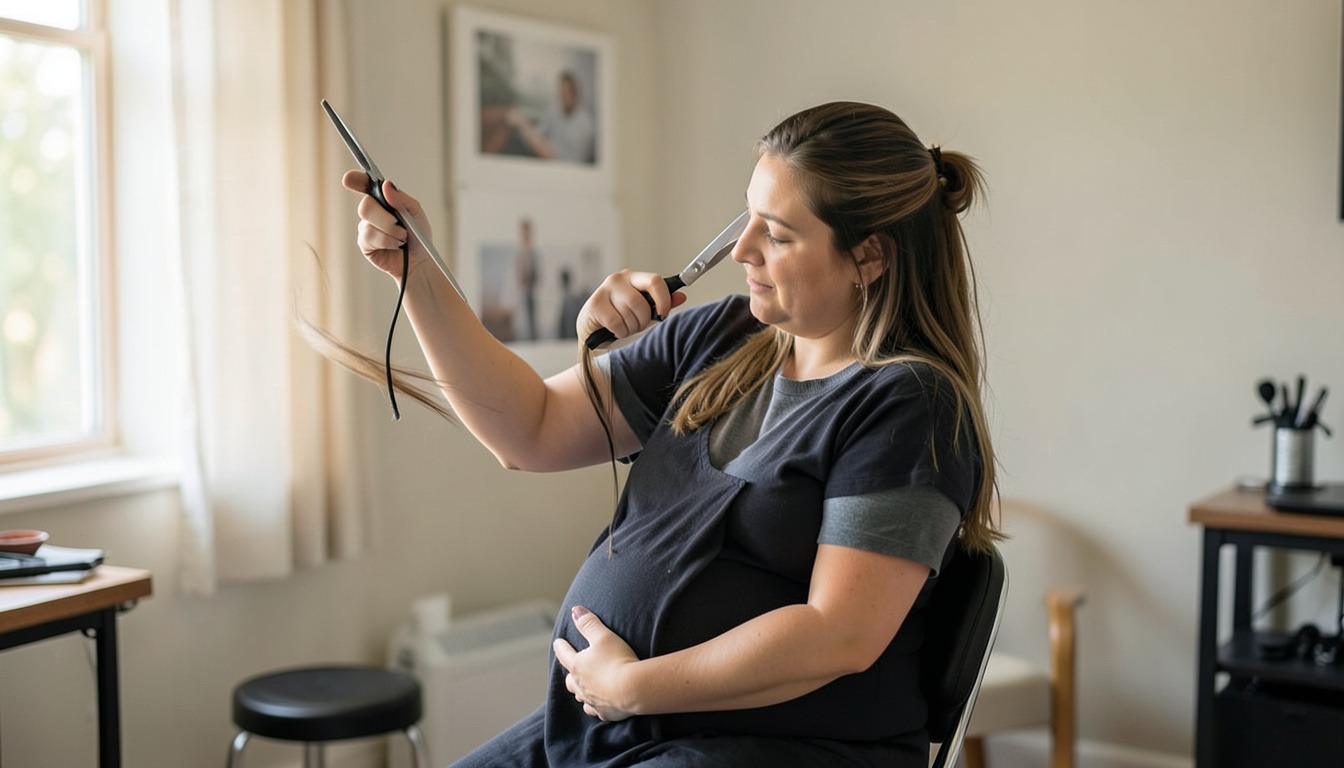
Understanding Cultural Superstitions Around Hair Cutting During Pregnancy
Cultural beliefs surrounding hair cutting during pregnancy are deeply rooted in history. These superstitions often reflect societal norms and fears about the well-being of both mother and child. Understanding these beliefs can help pregnant women make informed decisions regarding haircuts.
Historical Context of Hair Cutting Superstitions
The origins of hair cutting superstitions during pregnancy can be traced back to ancient civilizations. Hair has long been viewed as a symbol of strength and vitality. For many cultures, cutting hair is believed to sever ties to energy, leading to potential misfortune for both mother and child.
- Ancient Beliefs: In various cultures, hair was seen as a conduit of life force. Cutting it could weaken the mother’s vitality, impacting the unborn child.
- Symbolism: Hair often symbolizes beauty and health. The idea that cutting it could lead to unfavorable outcomes stems from this symbolic connection.
Common Cultural Beliefs About Hair Cutting
Many cultures have specific beliefs regarding hair cutting during pregnancy. These superstitions vary widely, but they all underline a common theme: the desire to protect the unborn child.
- Hinduism: In Hindu culture, cutting hair during pregnancy is often avoided. It is believed that doing so may bring bad luck or harm to the baby. Rituals surrounding hair care are common, emphasizing the importance of maintaining a strong connection with the unborn.
- Western Cultures: Some Western superstitions suggest that cutting hair can lead to an increase in stress or bad luck during pregnancy. This reflects a broader cultural anxiety surrounding motherhood and the protective instincts that arise.
- African Traditions: Certain African communities also maintain that hair cutting during pregnancy can disrupt spiritual energy. Women may choose to refrain from cutting their hair as a means of safeguarding their unborn child’s health.
Impact of Superstitions on Pregnant Women’s Choices
These cultural beliefs significantly influence the decisions pregnant women make regarding hair care. Many women feel pressured to adhere to these superstitions, often leading to anxiety about cutting their hair.
- Decision-Making: Pregnant women may avoid haircuts due to fear of negative consequences. This can lead to feelings of frustration, especially if they experience discomfort or hair issues during pregnancy.
- Psychological Effects: The weight of these superstitions can impact mental well-being. Women may feel torn between cultural expectations and personal preferences, affecting their self-esteem.
In navigating these beliefs, it is vital for pregnant women to weigh cultural practices against scientific evidence. Understanding both sides can empower them to make choices that enhance their comfort and confidence during pregnancy.
Myths Versus Facts: The Truth About Cutting Hair While Pregnant

Many pregnant women encounter various myths about cutting their hair during pregnancy. These beliefs often stem from cultural superstitions, but they lack scientific backing. Understanding the truth behind these myths is crucial for making informed decisions.
Debunking Common Myths
1. Myth: Cutting hair during pregnancy brings bad luck.
- Fact: This belief is largely cultural and has no scientific basis. Hair cutting is a personal choice and does not influence luck.
2. Myth: Cutting hair can harm the baby or affect fetal development.
- Fact: There is no evidence to support that cutting hair poses any risk to fetal health. Hair cutting is a non-invasive procedure that does not affect the mother’s or baby’s well-being.
3. Myth: Hair cutting leads to health problems for the mother.
- Fact: While some cultures believe hair holds life force, scientific studies do not support this claim. Hair is simply a biological structure that does not intrinsically connect to health.
What Science Says About Hair Cutting Safety
Scientific studies indicate that hair does not affect pregnancy outcomes. Hormonal changes during pregnancy can alter hair texture and growth patterns, but cutting hair does not impact these changes. Pregnant women may experience:
- Increased hair growth: Elevated estrogen levels can lead to thicker hair.
- Changes in hair texture: Some may notice their hair becomes drier or more brittle.
Cutting hair can actually improve its appearance, helping to manage changes and maintain comfort during pregnancy.
Understanding Hair Changes During Pregnancy
Pregnancy hormones significantly impact hair. Here’s how these changes manifest:
- Increased Volume: Many women enjoy fuller hair during pregnancy due to prolonged growth cycles.
- Texture Alterations: Hormonal shifts may cause hair to become limp or dry, prompting the desire for a haircut.
These physiological changes occur independently of whether you choose to cut your hair. Regular trims can help manage these issues, promoting a healthier look and feel.
Example Scenario: A pregnant woman noticing increased hair loss may decide to cut her hair to improve its health. This decision aligns with both scientific understanding and personal comfort, countering any superstitions she may face.
By distinguishing between myths and facts, expectant mothers can confidently navigate their hair care choices during pregnancy.
Essential Safety Tips for Getting a Haircut During Pregnancy

Pregnant women can safely enjoy haircuts with the right precautions. Selecting a suitable salon and communicating effectively with your hairdresser are essential steps to ensure a positive experience.
Choosing the Right Salon
Selecting a salon that prioritizes cleanliness and professionalism is vital. Here are key factors to consider:
- Reputation: Choose a salon with positive reviews. Look for testimonials from other pregnant women.
- Hygiene Standards: Ensure the salon follows strict hygiene protocols. Clean tools and sanitized workspaces are crucial.
- Comfort Level: Visit the salon beforehand to assess if it feels welcoming and comfortable.
- Experience with Pregnant Clients: Inquire if the salon staff has experience working with pregnant women. A knowledgeable stylist can better accommodate your needs.
Discussing Concerns with Your Hairdresser
Open communication with your hairdresser can enhance your experience. Consider discussing the following:
- Safety Measures: Inform your stylist about your pregnancy and discuss any safety concerns you may have.
- Preferred Products: Ask about the products used. Opt for ammonia-free dyes or natural alternatives when coloring your hair.
- Techniques: Discuss specific techniques that minimize exposure to chemicals, like avoiding scalp contact during dye applications.
Safety Checklist for Haircuts During Pregnancy
Use this checklist to ensure a safe haircut experience:
- Pre-Appointment Preparation:
- Confirm that the salon adheres to health and safety guidelines.
- Schedule your appointment during less busy hours to avoid crowded spaces.
- During the Appointment:
- Communicate your pregnancy status to your stylist.
- Opt for non-chemical treatments when possible.
- Take breaks if you feel uncomfortable or dizzy.
- Post-Appointment Care:
- Monitor your hair and scalp for any adverse reactions.
- If you experience discomfort, consult your healthcare provider.
By following these guidelines, pregnant women can enjoy haircuts while minimizing risks and addressing any cultural superstitions surrounding hair cutting during pregnancy.
Personal Experiences: Voices from Pregnant Women on Hair Cutting

Pregnant women often navigate a complex landscape of cultural beliefs and personal choices regarding hair cutting. Their experiences provide valuable insights into how these factors influence their decisions.
Anecdotes from Different Cultures
Many cultures hold distinct beliefs about hair cutting during pregnancy. For instance:
- Hindu Beliefs: In some Hindu communities, women avoid cutting their hair to prevent bad luck for themselves and their unborn child. One Indian mother shared, “I remember my grandmother insisting that cutting hair during pregnancy could bring misfortune. I chose to respect that tradition, even though I wished to cut my hair for comfort.”
- Western Perspectives: Conversely, a pregnant woman from the United States reflected, “I heard all the superstitions but decided to cut my hair anyway. I felt it boosted my confidence. My doctor reassured me it was safe.”
Balancing Tradition and Modernity
Women often find themselves balancing traditional beliefs with modern practices. Here are some stories illustrating this balance:
- Cultural Adaptation: A pregnant woman of Mexican descent explained, “My family believes that cutting hair during pregnancy can bring about negative energy. However, I opted for a trim during my third trimester. It was a personal choice, and I felt empowered.”
- Personal Comfort: Another mother stated, “Despite the ominous warnings from friends about bad luck, I couldn’t stand my long hair anymore. I cut it short and felt an instant relief. Sometimes, you have to prioritize your comfort over tradition.”
Overcoming Superstitions
Many women confront superstitions head-on, choosing to focus on scientific evidence. Their stories reflect a shift in thinking:
- Education as Empowerment: A woman from a mixed cultural background shared, “I read that cutting hair during pregnancy is safe. Sharing this knowledge with my family helped ease their concerns. I felt confident making my own decision.”
- Supportive Communities: In a supportive online forum, a mother noted, “I found strength in hearing others’ experiences. Knowing I wasn’t alone in cutting my hair during pregnancy helped me dismiss the old superstitions.”
These anecdotes reveal the diverse ways women navigate cultural influences and personal comfort regarding hair cutting during pregnancy. Each story emphasizes the importance of choice, knowledge, and individual comfort in overcoming traditional superstitions.
Conclusion: Navigating Hair Cutting Myths and Embracing Choices During Pregnancy
Cutting hair during pregnancy often evokes strong cultural beliefs and superstitions. However, understanding the facts can empower expectant mothers to make informed choices about their hair care.
Key Considerations for Hair Cutting During Pregnancy
- Cultural Superstitions: Many cultures hold beliefs that cutting hair during pregnancy brings bad luck or harms the baby. These notions often stem from historical associations of hair with strength and vitality.
- Scientific Evidence: Research indicates that cutting hair poses no risk to the mother or baby. Hair cutting is a non-invasive procedure that does not affect hormonal changes or fetal development.
- Personal Experiences: Many women share stories of how they navigated cultural pressures and chose to cut their hair, often citing improved self-esteem and comfort.
Safety Tips for a Positive Experience
1. Select a Trusted Salon: Choose a reputable salon that adheres to hygiene standards.
2. Communicate with Your Stylist: Discuss your pregnancy and any concerns regarding products or techniques.
3. Avoid Chemical Treatments: Limit exposure to harsh chemicals during pregnancy to ensure safety.
Embracing self-care is crucial during pregnancy. If cutting your hair improves your mood and confidence, prioritize that choice. Remember, the decision is personal. Seek reassurance from healthcare providers if needed, and feel empowered to dismiss unfounded superstitions.
Frequently Asked Questions
These quick answers cover the most common questions about this topic, including key details, practical tips, and common concerns.
What are some superstitions about pregnancy?
Pregnancy is surrounded by various superstitions. Some cultures believe that cutting hair during pregnancy brings bad luck or harms the baby. Others think certain actions, like attending funerals or traveling, might negatively impact the unborn child. These beliefs often stem from historical associations with hair as a symbol of strength and vitality.
What is the superstition about cutting hair?
The superstition surrounding cutting hair during pregnancy suggests that it can sever a mother’s connection to her unborn child, leading to misfortune or health issues. Many women feel pressured to avoid haircuts due to these fears, despite scientific evidence indicating that cutting hair is safe and does not affect pregnancy outcomes.
Is it safe to cut hair during the first trimester?
Yes, it is safe to cut hair during the first trimester. Hair cutting is a non-invasive procedure that does not pose any risks to the mother or the developing baby. Many women choose to cut their hair for comfort and to manage hormonal changes that can affect hair texture.
What should I tell my hairdresser if I’m pregnant?
Inform your hairdresser about your pregnancy before your appointment. Discuss any concerns regarding products or treatments you want to avoid. Opt for ammonia-free dyes or natural alternatives if coloring your hair. Open communication ensures your stylist can accommodate your needs and preferences safely.
Are there any specific hairstyles recommended during pregnancy?
While there are no strict recommendations for hairstyles during pregnancy, many women prefer low-maintenance styles that are comfortable. Shorter cuts can be easier to manage, especially if hair texture changes. Styles that keep hair off the face, like ponytails or braids, can also be practical during this time.
What are the risks of chemical treatments while pregnant?
Chemical treatments, such as hair dyes and relaxers, can pose some risks during pregnancy due to potential exposure to harsh chemicals. While many experts agree that occasional use of hair dye is generally safe, it’s advisable to avoid treatments in the first trimester and opt for ammonia-free or natural products when possible. Always consult with your healthcare provider for personalized advice.
Any traditional/cultural things you cannot do when you are pregnant?
Many cultures have specific practices that pregnant women are advised to avoid. For example, some traditions discourage attending funerals, cutting hair, or participating in certain rituals. These practices often stem from beliefs intended to protect the mother and child. Understanding these cultural norms can help women navigate their choices during pregnancy.