
Chakra meditation is a practice focused on balancing the seven energy centers in the body to promote physical, emotional, and spiritual well-being.
Chakra meditation involves harnessing the energy of the body’s seven major chakras to achieve balance and harmony. This guide provides an in-depth look at the practice, benefits, and techniques for activating and aligning each chakra effectively.
Understanding Chakra Meditation
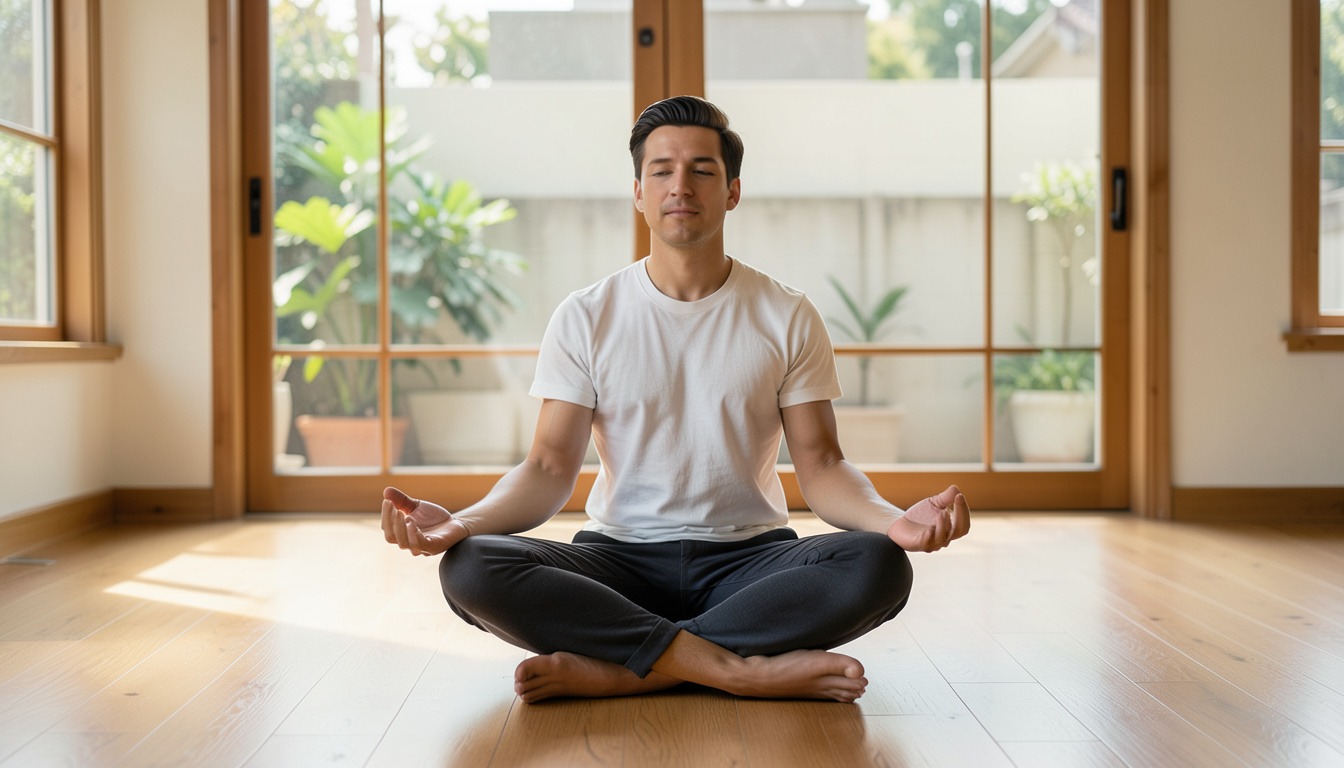
Chakra meditation is a practice focused on harmonizing the body’s energy centers, known as chakras. This technique not only promotes emotional balance but also enhances overall well-being by integrating physical, mental, and spiritual health.
What is Chakra Meditation?
Chakra meditation involves directing attention and energy towards the seven primary chakras located along the spine. Each chakra corresponds to different aspects of life, such as emotional stability, creativity, and clarity. By focusing on these energy centers, practitioners aim to remove blockages and restore balance.
For example, if someone feels ungrounded or anxious, they might concentrate on the root chakra, which is linked to feelings of safety and security. By engaging in chakra meditation specifically for the root chakra, they may experience a heightened sense of stability.
The Role of Energy Centers in Well-Being
The seven chakras—root, sacral, solar plexus, heart, throat, third eye, and crown—are integral to one’s emotional and physical health. Each chakra influences specific areas of well-being:
- Root Chakra: Stability and security.
- Sacral Chakra: Creativity and emotional expression.
- Solar Plexus Chakra: Personal power and confidence.
- Heart Chakra: Love and compassion.
- Throat Chakra: Communication and truth.
- Third Eye Chakra: Intuition and insight.
- Crown Chakra: Spiritual connection and enlightenment.
Understanding these energy centers allows individuals to tailor their chakra meditation practice. For instance, someone seeking to improve communication may focus on the throat chakra, using affirmations or visualizations during meditation to enhance their expressive abilities.
Incorporating chakra meditation into daily life can be straightforward. Consider setting aside time each day to meditate on a specific chakra that aligns with your current emotional needs. This focused approach can lead to profound changes over time, fostering a deeper connection with oneself and promoting holistic wellness.
The Seven Chakras Explained
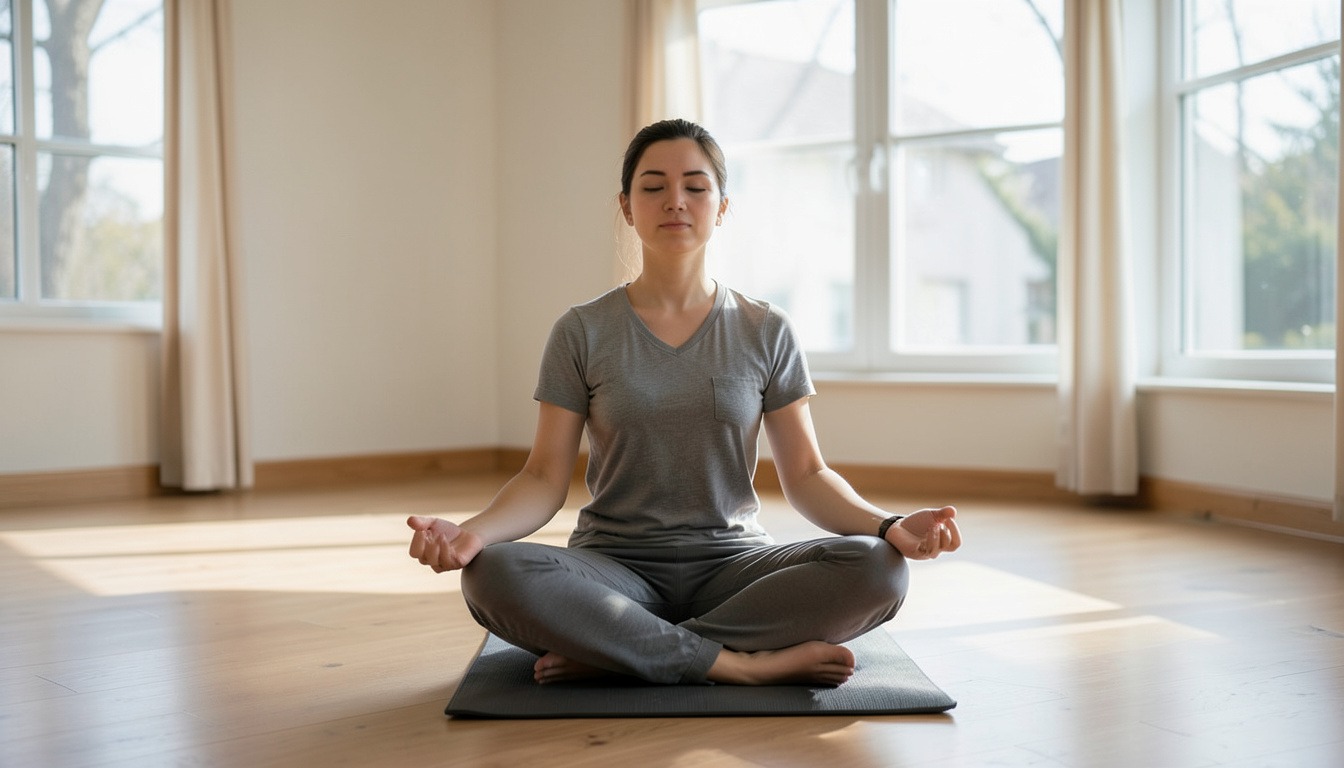
Understanding the seven chakras is essential for effective chakra meditation. Each chakra represents unique energy centers that influence physical, emotional, and spiritual well-being. They are aligned along the spine, from the base to the top of the head, and each serves specific functions.
Root Chakra: Foundation of Stability
- Location: Base of the spine.
- Function: Governs survival instincts, stability, and grounding.
- Common Imbalances: A blocked root chakra may lead to feelings of insecurity, anxiety, and instability in life. For example, someone who frequently worries about financial security may be experiencing a root chakra imbalance.
- Meditation Focus: Visualizing a vibrant red light at the base of the spine can help ground and stabilize emotions.
Sacral Chakra: Emotions and Creativity
- Location: Lower abdomen, about two inches below the navel.
- Function: Influences emotions, relationships, and creativity.
- Common Imbalances: Imbalances might manifest as emotional instability, creativity blocks, or unhealthy relationships. For instance, a person who feels disconnected from their creative self may benefit from addressing their sacral chakra.
- Meditation Focus: Envisioning an orange glow can help promote emotional balance and creative flow.
Solar Plexus Chakra: Personal Power
- Location: Upper abdomen, in the stomach area.
- Function: Associated with personal power, self-esteem, and confidence.
- Common Imbalances: A weak solar plexus chakra can lead to feelings of helplessness or low self-worth. For example, someone who struggles with self-doubt in social situations may need to strengthen this chakra.
- Meditation Focus: Focusing on a bright yellow light can enhance personal empowerment and confidence.
Heart Chakra: Love and Compassion
- Location: Center of the chest.
- Function: Represents love, compassion, and connection.
- Common Imbalances: Blockages can result in feelings of loneliness or an inability to connect with others. For instance, someone struggling with grief may find comfort in healing their heart chakra.
- Meditation Focus: Visualizing a green light can open the heart to love and compassion.
Throat Chakra: Communication
- Location: Throat area.
- Function: Governs communication and self-expression.
- Common Imbalances: A blocked throat chakra may cause difficulty in expressing thoughts or feelings. A person who often feels misunderstood might need to focus on this chakra.
- Meditation Focus: Imagining a blue light can enhance clarity and communication skills.
Third Eye Chakra: Intuition and Insight
- Location: Forehead, between the eyes.
- Function: Linked to intuition and inner wisdom.
- Common Imbalances: A blocked third eye chakra can lead to a lack of clarity or difficulty in decision-making. For instance, someone who struggles with trusting their instincts may need to work on this chakra.
- Meditation Focus: Envisioning an indigo light can help strengthen intuition and insight.
Crown Chakra: Spiritual Connection
- Location: Top of the head.
- Function: Represents spiritual connection and enlightenment.
- Common Imbalances: A blocked crown chakra might result in feelings of disconnection from spirituality or purpose. Someone feeling lost in their spiritual journey may find benefit in focusing on this chakra.
- Meditation Focus: Visualizing a violet light can deepen spiritual awareness and connection.
By understanding these chakras and their significance, individuals can tailor their chakra meditation practice to address specific emotional or spiritual needs. Each chakra offers distinct insights into personal challenges and growth opportunities.
Benefits of Chakra Meditation
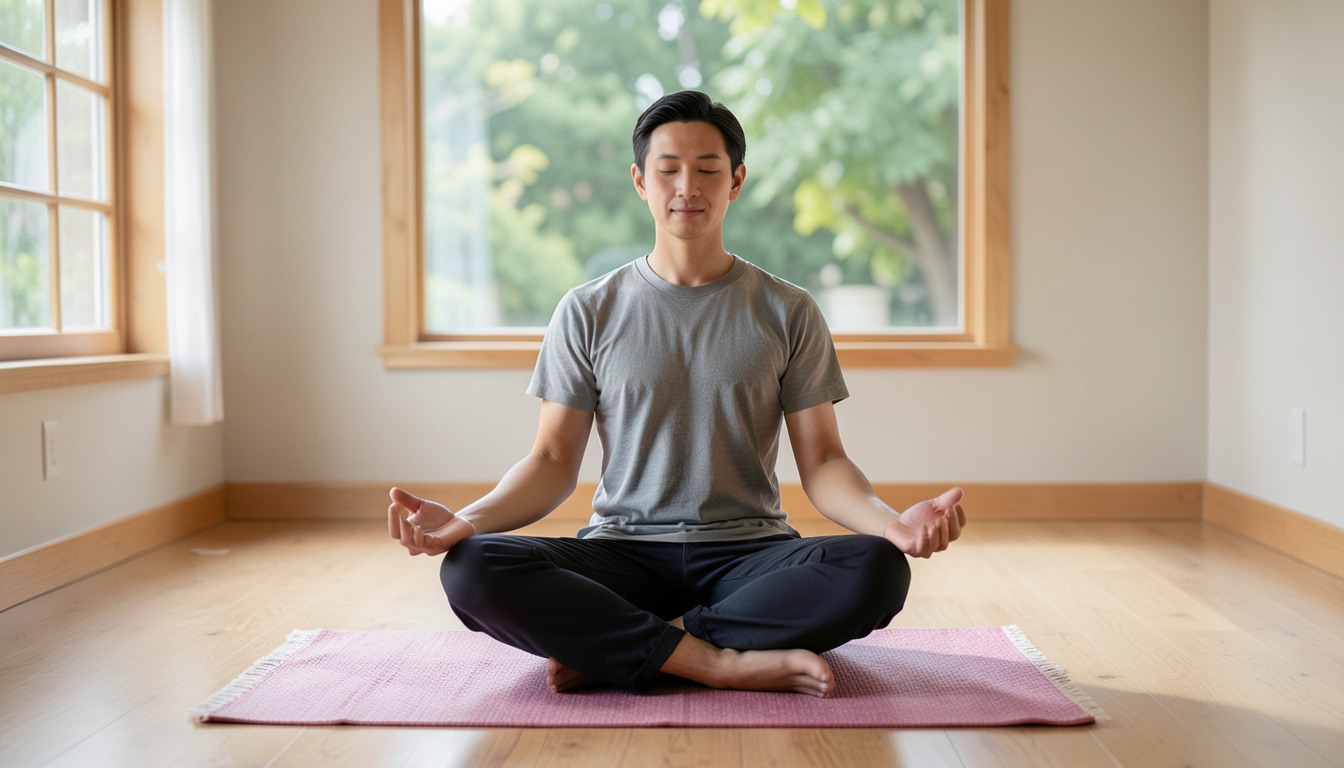
Chakra meditation offers a variety of benefits that can significantly improve emotional well-being, reduce stress, and enhance mental clarity. By focusing on the body’s energy centers, practitioners can cultivate a deeper sense of balance and harmony.
Emotional Healing and Resilience
One of the primary benefits of chakra meditation is emotional healing. Each chakra corresponds to different emotional states. For instance, the heart chakra governs love and compassion. When blocked, it can lead to feelings of isolation or resentment. Through chakra meditation, individuals can work to open this energy center, fostering healing and resilience.
Example: Sarah, a practitioner of chakra meditation, found that focusing on her heart chakra allowed her to release past traumas. This shift opened her up to new relationships and emotional connections.
Stress Reduction and Relaxation
Chakra meditation is an effective tool for stress reduction. By concentrating on specific chakras, individuals can promote relaxation and a sense of calm. This practice encourages mindfulness, which can lower cortisol levels and reduce anxiety.
Practical Insight: Setting aside 10-15 minutes daily for chakra meditation can create a significant impact. For example, focusing on the root chakra, which relates to stability and safety, can ground you and alleviate feelings of stress during tumultuous times.
Improving Focus and Clarity
Engaging in chakra meditation can also enhance focus and mental clarity. The solar plexus chakra, responsible for personal power and decision-making, plays a crucial role here. When this chakra is balanced, individuals often experience increased motivation and clearer thinking.
Scenario-Based Insight: A student preparing for exams might employ chakra meditation to strengthen their solar plexus chakra. By visualizing a bright yellow light in this area, they can boost their confidence and sharpen their concentration, leading to improved academic performance.
By integrating chakra meditation into daily routines, individuals can experience these benefits and foster a greater sense of overall well-being.
Step-by-Step Guide to Chakra Meditation
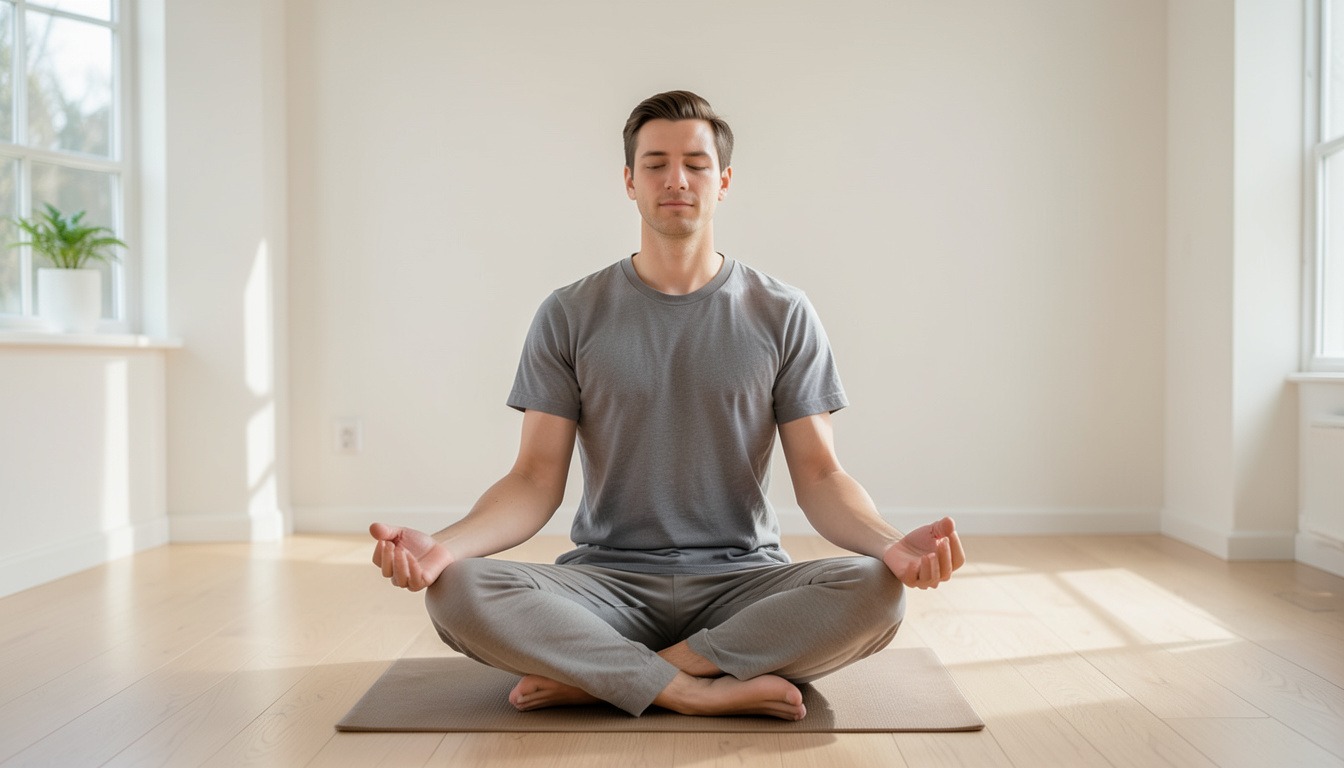
Chakra meditation is a structured practice that helps balance the body’s energy centers. By following a clear process, you can enhance your meditation experience and promote overall well-being.
Preparing for Your Meditation
Before you begin chakra meditation, it’s essential to create a conducive environment and set your intentions. Here are steps to prepare effectively:
- Choose a Quiet Space: Find a place where you won’t be interrupted. This could be a room in your home or a peaceful outdoor location.
- Gather Supplies: Consider using a comfortable cushion, blanket, or mat. You might also want to have calming items like crystals or essential oils.
- Set an Intention: Reflect on what you hope to achieve through your meditation. This could be emotional healing, clarity, or personal growth.
Guided Steps for Each Chakra
Each of the seven chakras corresponds to specific areas of your body and emotions. Follow these steps for a focused approach:
1. Root Chakra (Muladhara): Sit comfortably and visualize a red light at the base of your spine. Feel grounded and secure. Affirm: “I am safe and supported.”
2. Sacral Chakra (Svadhisthana): Move your focus to the lower abdomen, visualizing an orange light. Embrace creativity and pleasure. Affirm: “I embrace my creativity.”
3. Solar Plexus Chakra (Manipura): Shift to the upper abdomen, imagining a yellow light. Cultivate personal power and confidence. Affirm: “I am powerful and confident.”
4. Heart Chakra (Anahata): Center on your chest, visualizing a green light. Open your heart to love and compassion. Affirm: “I am love; I give love.”
5. Throat Chakra (Vishuddha): Focus on your throat, picturing a blue light. Encourage expression and communication. Affirm: “I express my truth.”
6. Third Eye Chakra (Ajna): Visualize an indigo light at the center of your forehead. Enhance intuition and insight. Affirm: “I trust my intuition.”
7. Crown Chakra (Sahasrara): Finally, focus on the top of your head, seeing a violet light. Connect with higher consciousness. Affirm: “I am connected to the universe.”
Incorporating Breathwork and Visualization
Breathwork enhances chakra meditation by promoting relaxation and focus. Here’s how to incorporate it:
- Deep Breathing: Inhale deeply through your nose, filling your abdomen. Exhale slowly through your mouth. Repeat this for a few minutes before focusing on your chakras.
- Visualization Techniques: As you meditate on each chakra, visualize the corresponding color vividly. Imagine each energy center spinning freely, radiating positivity and balance.
Quick Checklist for Your Chakra Meditation
- [ ] Choose a quiet space.
- [ ] Gather any supplies (cushion, crystals).
- [ ] Set a clear intention.
- [ ] Follow guided steps for each chakra.
- [ ] Use deep breathing and visualization techniques.
By systematically engaging with each chakra, you can experience profound shifts in your energy and emotional state, making chakra meditation a valuable tool for personal growth.
Common Experiences During Chakra Meditation
Practicing chakra meditation can lead to a range of experiences. These experiences can vary widely among individuals, encompassing both positive insights and challenges. Understanding these potential outcomes can help you prepare for your journey in chakra meditation.
Positive Experiences: Insights and Clarity
Many practitioners report profound insights and a sense of clarity during chakra meditation. As you focus on each energy center, you may encounter feelings of lightness or a surge of energy. For example, meditating on the heart chakra can evoke feelings of love and compassion, while the solar plexus chakra may instill confidence and empowerment.
- Enhanced Awareness: During meditation, you might notice heightened awareness of your thoughts and emotions.
- Emotional Release: Some individuals experience emotional breakthroughs, allowing them to let go of past traumas.
- Physical Sensations: Practitioners often describe sensations such as warmth, tingling, or even a gentle pulsing in specific areas of the body.
Challenges: Emotional Releases and Discomfort
While positive experiences are common, chakra meditation can also bring challenges. As you delve into the energy centers, you may encounter discomfort or emotional releases. This is a natural part of the process, as it involves confronting unprocessed emotions or blockages.
- Emotional Turmoil: You may feel sadness, anger, or anxiety surface during meditation. Acknowledge these feelings without judgment.
- Physical Discomfort: Some practitioners experience tightness or pain in the body, particularly in areas related to the chakras being activated.
- Resistance: It’s not uncommon to feel resistance to meditation itself, especially if you are unfamiliar with the process or confronting difficult emotions.
Recognizing Growth and Progress
Even amidst challenges, chakra meditation can lead to significant personal growth. As you continue your practice, you may notice changes in your emotional responses and overall well-being.
- Increased Resilience: Over time, you might find yourself better equipped to handle stress and emotional challenges.
- Greater Self-Acceptance: Many practitioners report feeling more accepting of themselves and their emotions.
- Improved Relationships: As you balance your chakras, you may notice enhancements in your relationships due to increased empathy and understanding.
By being aware of these common experiences, you can approach chakra meditation with realistic expectations and an open heart. Embrace both the joys and challenges as essential parts of your transformative journey.
Identifying Blocked Chakras
Recognizing signs of blocked chakras is essential for effective chakra meditation. Blockages can manifest both emotionally and physically, impacting your overall well-being and energy flow.
Signs of Blocked Chakras
Each chakra corresponds to specific emotional and physical issues. Awareness of these signs can guide you in your meditation practice. Here are some common indicators for each chakra:
- Root Chakra: Feelings of insecurity, anxiety about basic needs, or financial stress.
- Sacral Chakra: Emotional instability, difficulty in relationships, or issues with intimacy.
- Solar Plexus Chakra: Low self-esteem, indecisiveness, or a sense of powerlessness.
- Heart Chakra: Difficulty in giving or receiving love, feelings of loneliness, or heart-related health issues.
- Throat Chakra: Struggles with communication, fear of speaking out, or throat discomfort.
- Third Eye Chakra: Lack of intuition, confusion, or difficulty in seeing the bigger picture.
- Crown Chakra: Disconnection from spirituality, identity crises, or chronic fatigue.
How Imbalances Affect Life
Imbalances in your chakras can lead to a variety of life challenges. For instance, a blocked heart chakra may result in strained relationships, while a blocked solar plexus chakra could hinder personal and professional growth. Understanding these connections can enhance your approach to chakra meditation.
Checklist for Identifying Blockages
Use the following checklist to self-assess potential chakra blockages:
- Reflect on your emotional state: Are you feeling anxious, insecure, or overwhelmed?
- Notice physical symptoms: Do you experience pain or discomfort in specific areas of your body?
- Evaluate your relationships: Are you struggling to connect with others or express your feelings?
- Assess your energy levels: Do you often feel fatigued, unfocused, or unmotivated?
By regularly checking in with yourself, you can enhance your self-awareness and tailor your chakra meditation practice to address specific blockages.
Common Mistakes in Chakra Meditation
Chakra meditation can be a powerful practice for balancing energy centers, but many practitioners encounter common pitfalls. Recognizing these mistakes can help enhance your meditation experience.
Overthinking the Process
One significant mistake is overanalyzing the meditation process. Practitioners often feel pressure to achieve a particular outcome, which can lead to frustration. Instead, focus on the experience itself. Trust your intuition and allow the meditation to unfold naturally.
Tip: Set a simple intention before starting. For instance, “I am open to balancing my energy” can help ground your practice without overwhelming thoughts.
Skipping Preparation Steps
Preparation is crucial in chakra meditation. Neglecting to create a conducive environment can hinder your ability to connect with your energy centers. Ensure you have a quiet, comfortable space, free from distractions.
Checklist for Preparation:
- Find a quiet location where you feel safe.
- Use cushions or blankets for comfort during meditation.
- Light a candle or use essential oils to enhance the atmosphere.
By taking the time to prepare, you signal to your mind and body that it’s time for focused meditation.
Ignoring Emotional Responses
During chakra meditation, it’s common to encounter unexpected emotional responses. Ignoring these feelings can lead to unresolved issues. Embrace whatever emotions arise without judgment.
Example: If you feel sudden sadness during a meditation focused on the heart chakra, allow yourself to explore that emotion. Journaling about your experience afterward can provide insight and aid in emotional processing.
By avoiding these common mistakes, you can cultivate a more effective and enriching chakra meditation practice.
Alternatives to Chakra Meditation
While chakra meditation focuses on balancing the body’s energy centers, other meditation practices can enhance your overall well-being and complement your chakra work. Exploring these alternatives can deepen your understanding and enrich your spiritual journey.
Mindfulness Meditation
Mindfulness meditation centers on being present in the moment. This practice encourages awareness of thoughts, feelings, and sensations without judgment. By cultivating mindfulness, you can create a strong foundation for chakra meditation. For example, when meditating on the heart chakra, mindfulness can help you observe emotions that arise, allowing for a more profound exploration of your feelings.
Transcendental Meditation
Transcendental meditation (TM) involves silent repetition of a mantra to settle the mind into a state of profound rest. This practice can help reduce stress and promote clarity. TM can be a valuable complement to chakra meditation, as it may enhance focus and emotional regulation. For instance, individuals who practice TM may find it easier to tap into specific chakra energies, facilitating deeper healing experiences.
Guided Visualization Techniques
Guided visualization techniques use imagery to promote relaxation and healing. In this practice, a guide leads you through mental images that can activate and balance your chakras. For example, visualizing a warm light radiating from the solar plexus chakra can enhance feelings of empowerment and self-worth. This technique not only aids in chakra meditation but also fosters creativity and insight.
Comparison of Practices
| Practice | Focus | Key Benefit |
|---|---|---|
| Mindfulness Meditation | Present moment awareness | Enhanced emotional observation |
| Transcendental Meditation | Mantra repetition | Deep rest and clarity |
| Guided Visualization Techniques | Imagery for relaxation and healing | Activation of chakra energies |
By exploring these meditation practices, you can find additional tools to support your chakra meditation. Each method offers unique benefits that can enhance your self-awareness and emotional balance.
Frequently Asked Questions
These quick answers cover the most common questions about this topic, including key details, practical tips, and common concerns.
What is chakra meditation?
Chakra meditation is a practice aimed at balancing the seven energy centers, or chakras, in the body. Each chakra corresponds to different emotional and physical aspects of life. By focusing on these energy centers, practitioners can clear blockages, enhance well-being, and promote emotional healing.
How to activate 7 chakras through meditation?
To activate the seven chakras, follow a structured meditation process. Begin with the root chakra, visualizing a red light at the base of your spine. Progress through each chakra, using the associated color: orange for the sacral chakra, yellow for the solar plexus, green for the heart, blue for the throat, indigo for the third eye, and violet for the crown. Pair your visualizations with affirmations related to each chakra to deepen the experience.
How do I tell if my chakras are blocked?
Blocked chakras can manifest as emotional or physical issues. For example, if you feel insecure or anxious, your root chakra may be blocked. Similarly, difficulty in expressing yourself could indicate a blockage in the throat chakra. Pay attention to these signs and reflect on your emotional state to identify potential blockages.
When should I practice chakra meditation?
You can practice chakra meditation at any time that feels right for you. Many people find it beneficial to meditate in the morning to set a positive tone for the day or in the evening to unwind. Consistency is key; aim for daily practice to deepen your connection with your chakras and enhance your emotional well-being.
How does chakra meditation compare to other meditation practices?
Chakra meditation focuses specifically on balancing energy centers, while other practices like mindfulness meditation emphasize present-moment awareness. Transcendental meditation involves repeating a mantra for relaxation. Each method has unique benefits, but chakra meditation is particularly effective for those seeking emotional healing and energy balance.
What should I do if I feel overwhelmed during meditation?
If you feel overwhelmed, take a moment to pause and breathe deeply. Acknowledge your feelings without judgment. You can also try grounding techniques, such as focusing on your breath or visualizing a calming color. If discomfort persists, consider journaling about your experience afterward to process your emotions.
Are there alternatives to chakra meditation?
Yes, alternatives include mindfulness meditation, which enhances present-moment awareness, and guided visualization techniques that use imagery to promote relaxation and healing. Transcendental meditation, which involves mantra repetition, can also complement chakra work by fostering clarity and emotional regulation. Each alternative offers unique benefits that can enhance your overall meditation practice.