
Chakra healing involves various techniques aimed at balancing energy within the body’s seven chakras to enhance emotional, physical, and spiritual well-being.
Understanding chakra healing is essential for those seeking to improve their emotional health and spiritual wellness. This guide explores 21 techniques designed to balance the body’s energy centers, offering practical insights and deeper knowledge of each method’s significance.

Understanding Chakra Healing: An Overview
Chakra healing centers around the balance and restoration of the body’s energy centers, known as chakras. These energy hubs are believed to influence not only physical health but also emotional and spiritual well-being.
The Origins of Chakra Healing
Chakra healing has its roots in ancient Indian traditions, particularly within the practices of Hinduism and Buddhism. The concept of chakras dates back thousands of years, with the earliest references found in texts such as the Vedas. Originally, there are seven main chakras, each corresponding to specific physical, emotional, and spiritual aspects of life.
Understanding these energy centers can help individuals identify imbalances. For example, the root chakra relates to safety and stability, while the heart chakra governs love and compassion. When these centers are blocked or misaligned, one may experience physical ailments or emotional distress.
The Importance of Energy Balance
Energy balance is crucial for maintaining overall wellness. Each chakra vibrates at a specific frequency and contributes to our holistic health. When one or more chakras are out of balance, it may manifest as fatigue, anxiety, or even chronic illness.
Healing techniques such as meditation, yoga, and sound healing can help restore this balance. For instance, practicing yoga poses that focus on the heart chakra can enhance feelings of love and connection. Similarly, using chakra healing crystals, like rose quartz for the heart chakra, can amplify emotional healing.
Here’s a quick checklist to identify potential imbalances in your chakras:
- Root Chakra: Feelings of insecurity or instability?
- Sacral Chakra: Struggling with creativity or emotional issues?
- Solar Plexus Chakra: Experiencing low self-esteem?
- Heart Chakra: Difficulty in forming connections with others?
- Throat Chakra: Challenges expressing yourself?
- Third Eye Chakra: Struggling with intuition or clarity?
- Crown Chakra: Feeling disconnected from spirituality?
Recognizing these symptoms can guide you toward appropriate chakra healing techniques. By addressing these imbalances, individuals often report enhanced emotional health and spiritual clarity.
Exploring chakra healing not only connects us with our historical roots but also provides practical techniques for modern wellness.
The Seven Chakras: Functions and Significance

Understanding the seven chakras is essential for effective chakra healing. Each chakra serves a unique function and impacts our emotional and physical well-being. Recognizing their meanings and symptoms when blocked can guide healing practices.
Root Chakra: Grounding and Stability
The Root Chakra, located at the base of the spine, is associated with feelings of security and stability. When this chakra is balanced, individuals often feel grounded and safe.
Symptoms of Blockage:
- Fearfulness
- Anxiety
- Financial instability
Practical Tip: Engage in grounding exercises like walking barefoot on natural surfaces to help balance this chakra.
Sacral Chakra: Creativity and Emotions
Situated just below the navel, the Sacral Chakra influences creativity, sexuality, and emotions. A balanced Sacral Chakra fosters healthy relationships and emotional expression.
Symptoms of Blockage:
- Lack of creativity
- Emotional instability
- Issues with intimacy
Practical Tip: Explore artistic activities or journaling to stimulate creativity and emotional flow.
Solar Plexus Chakra: Power and Confidence
The Solar Plexus Chakra is located in the upper abdomen. It governs personal power, confidence, and self-esteem.
Symptoms of Blockage:
- Low self-worth
- Difficulty making decisions
- Control issues
Practical Tip: Practice assertiveness exercises to enhance your confidence and personal power.
Heart Chakra: Love and Connection
Found in the center of the chest, the Heart Chakra symbolizes love, compassion, and connection to others.
Symptoms of Blockage:
- Difficulty forming relationships
- Feelings of loneliness
- Grudges or resentment
Practical Tip: Engage in acts of kindness or volunteer work to open your heart to love and connection.
Throat Chakra: Communication and Expression
The Throat Chakra is located in the throat area and is crucial for communication and self-expression.
Symptoms of Blockage:
- Difficulty expressing thoughts
- Fear of speaking up
- Frequent sore throats
Practical Tip: Practice vocal exercises or join a speaking group to enhance communication skills.
Third Eye Chakra: Intuition and Clarity
Positioned between the eyebrows, the Third Eye Chakra relates to intuition and insight. A balanced Third Eye Chakra promotes clarity and perception.
Symptoms of Blockage:
- Lack of foresight
- Difficulty concentrating
- Disconnect from intuition
Practical Tip: Regular meditation can help enhance intuition and mental clarity.
Crown Chakra: Spiritual Connection
The Crown Chakra is located at the top of the head and connects us to spirituality and higher consciousness.
Symptoms of Blockage:
- Feeling disconnected from spirituality
- Lack of purpose
- Isolation
Practical Tip: Engage in spiritual practices, such as meditation or mindfulness, to deepen your spiritual connection.
By recognizing the signs of blocked chakras and utilizing practical tips, individuals can work toward achieving balance and harmony in their lives. For those interested in a physical tool for chakra healing, consider using a Chakra Healing Crystals Set to enhance your healing journey.
How to Identify Blocked Chakras
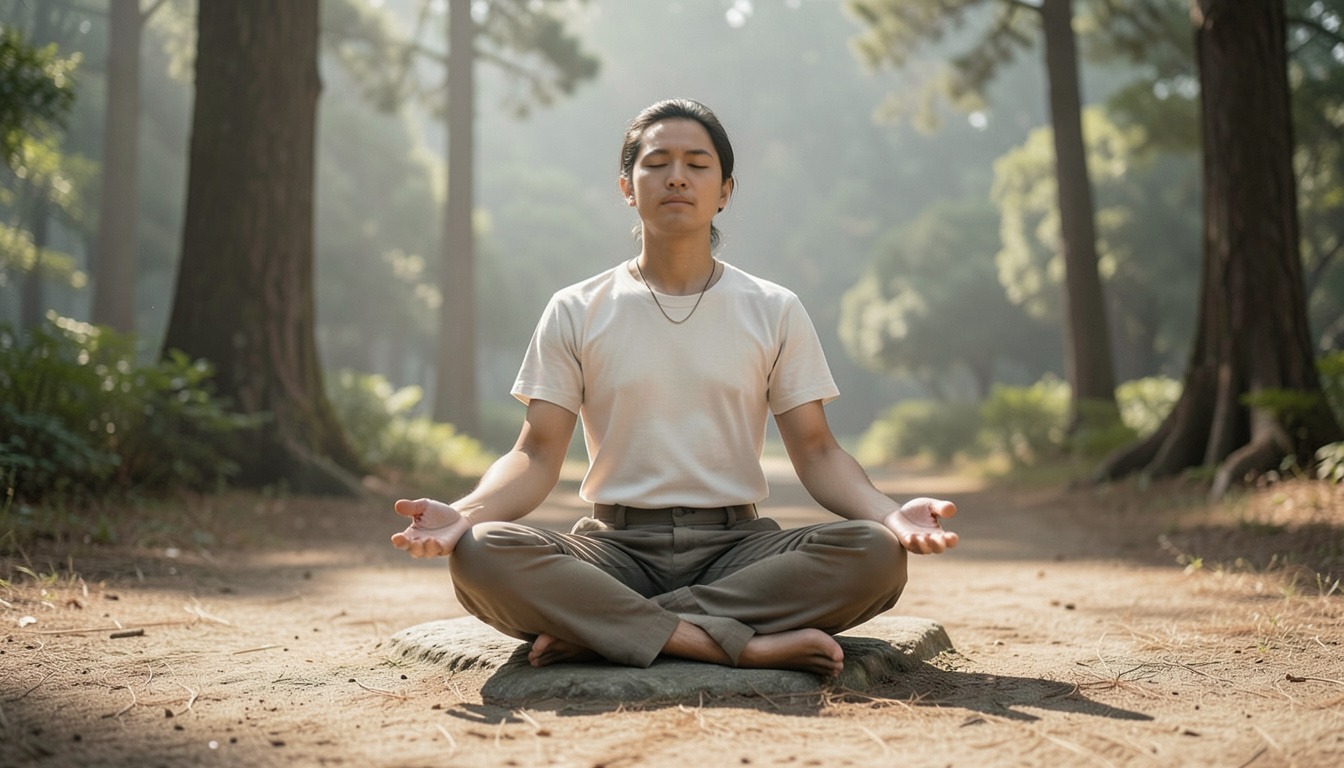
Identifying blocked chakras is essential for effective chakra healing. Recognizing the symptoms can guide you in assessing your energy balance and emotional well-being.
Physical Symptoms of Blocked Chakras
Blocked chakras can manifest through a variety of physical symptoms. Each chakra corresponds to specific areas of the body and emotional states. Here are common physical signs associated with blocked chakras:
- Root Chakra: Lower back pain, fatigue, and issues with legs or feet.
- Sacral Chakra: Reproductive issues, lower abdomen pain, and urinary problems.
- Solar Plexus Chakra: Digestive issues, stomach pain, and fatigue.
- Heart Chakra: Heart problems, breathing difficulties, and upper back pain.
- Throat Chakra: Sore throat, vocal issues, and neck pain.
- Third Eye Chakra: Headaches, vision problems, and sinus issues.
- Crown Chakra: Neurological problems, migraines, and sensitivity to light.
Emotional Indicators
Emotional states can also reflect the health of your chakras. Here are indicators to consider for each chakra:
- Root Chakra: Fear, anxiety, and insecurity.
- Sacral Chakra: Guilt, shame, and lack of creativity.
- Solar Plexus Chakra: Low self-esteem, indecisiveness, and anger.
- Heart Chakra: Grief, loneliness, and inability to love.
- Throat Chakra: Communication issues, fear of speaking, and feeling unheard.
- Third Eye Chakra: Lack of intuition, confusion, and disconnection from reality.
- Crown Chakra: Spiritual disconnection, lack of purpose, and confusion about life’s meaning.
Self-Assessment Techniques
To effectively identify your chakra blockages, consider these self-assessment techniques:
1. Journaling: Write about your emotional state and physical symptoms. Look for patterns that align with specific chakras.
2. Meditation: Engage in meditation focused on each chakra. Note any feelings of discomfort or resistance.
3. Body Scan: Perform a body scan while lying down. Pay attention to areas of tension or pain and relate them to chakra locations.
Checklist for Identifying Blocked Chakras
Use this checklist to assess potential chakra blockages:
- Have you experienced any of the physical symptoms listed?
- Are there emotional challenges that resonate with specific chakras?
- Have you tried meditation or self-reflection without clarity or resolution?
- Are you avoiding creative expressions or meaningful connections?
By systematically evaluating your symptoms, you can gain insight into which chakras may be blocked. This awareness is the first step toward chakra healing and restoring balance in your life.
Meditation Techniques for Chakra Healing

Meditation serves as a powerful tool for chakra healing, allowing individuals to align their energy centers and promote overall well-being. By focusing on specific chakras during meditation, practitioners can enhance emotional health and spiritual wellness.
Guided Chakra Meditations
Guided meditations can effectively target each chakra, helping to facilitate healing and balance. Here’s a simple framework for a guided meditation focused on the root chakra:
1. Find a Comfortable Position: Sit or lie down in a quiet space.
2. Set an Intention: Focus on grounding and stability, visualizing a red light at the base of your spine.
3. Breathe Deeply: Inhale deeply through your nose, holding for a moment before exhaling slowly.
4. Visualize Energy Flow: Imagine energy rising from the earth into your root chakra, filling it with warmth and strength.
5. Affirm Your Intent: Silently repeat affirmations like “I am safe” or “I am grounded.”
6. Close the Meditation: Gradually bring your awareness back to the present and open your eyes.
This technique can be adapted for each chakra by changing the color, location, and affirmations accordingly.
Breathwork for Energy Flow
Breathwork enhances chakra healing by promoting energy flow and reducing tension. This technique encourages practitioners to connect with their breath, facilitating a deep sense of relaxation and awareness.
Steps for Breathwork:
- Inhale: Take a slow, deep breath, filling your lungs completely.
- Hold: Pause for a moment, allowing the energy to settle.
- Exhale: Release the breath slowly, letting go of any negative emotions or blockages.
- Repeat: Continue this cycle for several minutes, focusing on the chakra you wish to heal.
Breathwork can be particularly effective for the heart chakra, promoting love and emotional connection.
Mindfulness Practices
Incorporating mindfulness into daily life can support chakra healing by fostering awareness of emotional and physical states. Practicing mindfulness helps identify imbalances before they escalate.
Mindfulness Techniques:
- Body Scan: Regularly check in with your body, paying attention to areas of tension or discomfort linked to specific chakras.
- Daily Reflection: Spend a few minutes each day reflecting on your feelings and experiences, noting any patterns that arise related to your chakras.
- Nature Connection: Spend time in nature, which can help ground and balance your energy centers, particularly the root chakra.
These practices not only contribute to chakra healing but also enhance overall emotional health. By integrating these meditation techniques into your routine, you can cultivate greater energy balance and spiritual wellness.
Yoga Poses for Chakra Alignment
Yoga is a powerful tool for chakra healing. Specific poses can help activate and balance each chakra, promoting physical and energetic alignment. Below are yoga poses tailored to each of the seven primary chakras.
Root Chakra Poses
The Root Chakra, located at the base of the spine, connects us to the earth and our sense of security. To energize this chakra, try the following poses:
- Mountain Pose (Tadasana): Stand tall with feet together, grounding your feet into the earth. Focus on stability and strength.
- Warrior I (Virabhadrasana I): Step one foot back, bend the front knee, and raise your arms overhead. Feel the groundedness in your legs.
- Child’s Pose (Balasana): Kneel on the floor, sit back on your heels, and stretch your arms forward. This pose promotes safety and relaxation.
Sacral Chakra Poses
The Sacral Chakra, situated just below the navel, influences creativity and emotional connection. Enhance this chakra with these poses:
- Goddess Pose (Utkata Konasana): Stand with feet wide apart, bend your knees, and lower into a squat. Open your hips and embrace your feminine energy.
- Seated Forward Bend (Paschimottanasana): Sit with legs extended, reach forward to grasp your feet. This pose invites fluidity and release of tension.
- Hip Openers (such as Pigeon Pose): These poses increase flexibility and encourage emotional release, essential for sacral energy flow.
Solar Plexus Chakra Poses
The Solar Plexus Chakra, located in the stomach area, governs personal power and confidence. Engage this chakra with the following poses:
- Boat Pose (Navasana): Sit on the floor, lean back slightly, lift your legs, and hold the position. This strengthens your core and boosts confidence.
- Cobra Pose (Bhujangasana): Lie on your stomach, press your palms into the floor, and lift your chest. This pose expands your energy and enhances self-esteem.
- Twists (like Bound Angle Pose): Twists help detoxify and energize the solar plexus area, promoting clarity and focus.
Visual Aids for Chakra Locations
To better understand the chakra system, consider using visual aids. Diagrams showing chakra locations can enhance your practice. Videos demonstrating poses can also clarify alignment and technique, ensuring effective chakra healing.
The Role of Crystals in Chakra Healing
Crystals hold significant potential in chakra healing practices. They can enhance energy flow, promote balance, and support emotional and physical well-being. Each crystal resonates with specific chakras, making them valuable tools for healing and personal growth.
Crystals for Each Chakra
1. Root Chakra: Red Jasper strengthens stability and grounding.
2. Sacral Chakra: Carnelian enhances creativity and emotional balance.
3. Solar Plexus Chakra: Citrine boosts confidence and personal power.
4. Heart Chakra: Rose Quartz promotes love and compassion.
5. Throat Chakra: Blue Lace Agate supports clear communication.
6. Third Eye Chakra: Amethyst enhances intuition and spiritual insight.
7. Crown Chakra: Clear Quartz promotes clarity and connection to higher consciousness.
How to Use Crystals
Integrating crystals into your chakra healing practice can be straightforward. Here are effective methods:
- Meditation: Hold the crystal while meditating on the corresponding chakra. Visualize the energy flowing freely.
- Placement: Lay the crystal on the chakra location during relaxation or yoga practice.
- Affirmations: Use affirmations related to the chakra while holding or wearing the crystal. This reinforces the healing intention.
Cleansing and Charging Crystals
To maintain their effectiveness, crystals require regular cleansing and charging. Here are practical methods:
- Water: Rinse with running water to cleanse.
- Sunlight or Moonlight: Place crystals outside for several hours to recharge.
- Sage or Incense: Use smoke to purify the energy of your crystals.
By understanding the specific roles of crystals in chakra healing, you can tailor your practices for maximum benefit. For instance, someone struggling with communication might benefit from blue lace agate during their throat chakra meditations. Each crystal’s unique properties can significantly enhance your journey toward energy balance and emotional health.
Sound Healing Techniques for Chakra Balancing
Sound healing is a powerful method used to restore balance within the chakras. By utilizing various auditory elements, practitioners can facilitate energy flow and promote emotional and spiritual wellness. Below are specific techniques that harness sound’s vibrational properties for effective chakra healing.
Using Tibetan Singing Bowls
Tibetan singing bowls produce rich, harmonic tones that resonate with specific chakras. Each bowl corresponds to a different energy center, creating a sound frequency that aligns with the chakra it targets.
- Root Chakra: Deep, resonant tones help ground and stabilize energy.
- Heart Chakra: Softer, melodic sounds enhance love and compassion.
- Crown Chakra: Higher frequencies stimulate spiritual connection.
To use Tibetan singing bowls, sit comfortably and strike the bowl gently. Allow the sound to wash over you, focusing on your breath and visualizing the corresponding chakra being activated.
Binaural Beats for Chakra Alignment
Binaural beats are created when two slightly different frequencies are played in each ear. This technique can synchronize brainwave activity and promote relaxation, making it an effective tool for chakra healing.
- Delta Waves (1-4 Hz): Associated with the root chakra; promotes deep sleep and security.
- Theta Waves (4-8 Hz): Linked to the sacral and solar plexus chakras; enhances creativity and confidence.
- Alpha Waves (8-14 Hz): Related to the heart chakra; fosters a sense of peace and balance.
For optimal results, find a quiet space, use headphones, and listen to binaural beats while meditating on your chakras. You can also incorporate affirmations to reinforce your intentions.
Affirmations and Sound Frequencies
Affirmations combined with sound frequencies can amplify the healing effects on chakras. Positive statements align your mindset with the desired energy flow, supporting emotional health and spiritual growth.
- Root Chakra Affirmation: “I am safe and secure.”
- Throat Chakra Affirmation: “I express my truth clearly.”
- Crown Chakra Affirmation: “I am connected to the divine.”
By repeating these affirmations aloud or silently while engaging in sound healing practices, you reinforce the connection between your mindset and your energy centers. This dual approach can significantly enhance the effectiveness of chakra healing.
Practical Tips for Sound Healing
- Experiment: Try different sound healing methods to find what resonates best with you.
- Create a Routine: Incorporate sound healing into your regular chakra balancing practices.
- Listen Actively: Pay attention to how different sounds affect your emotional state and chakra energy.
By integrating these sound healing techniques, you can deepen your chakra healing journey and cultivate a more balanced energy system.
Affirmations for Chakra Healing
Affirmations serve as powerful tools for promoting healing and balance within the chakras. By using positive statements, individuals can channel their energy towards specific chakras, helping to clear blockages and enhance emotional health.
Creating Personalized Affirmations
To craft effective affirmations, begin by identifying which chakra needs attention. Each chakra is associated with specific qualities and emotions. For instance, the root chakra relates to safety and stability, while the heart chakra connects to love and compassion. Here’s a simple framework to create personalized affirmations:
1. Identify the Chakra: Choose which chakra you’re focusing on.
2. Define the Intention: What aspect of your life do you want to improve?
3. Create a Statement: Formulate a positive, present-tense statement. For example, “I am grounded and secure” for the root chakra.
4. Make it Personal: Use “I” statements to reinforce ownership, such as “I embrace love and connection” for the heart chakra.
Daily Affirmation Practices
Integrating affirmations into your daily routine can enhance your chakra healing journey. Consider the following practices:
- Morning Ritual: Start each day by repeating your affirmations aloud. This sets a positive tone for the day.
- Journaling: Write your affirmations in a journal. Reflect on their meaning and how they relate to your life.
- Visualization: While repeating affirmations, visualize the energy flowing through the relevant chakra, promoting balance and healing.
Group Affirmations for Collective Healing
Engaging in group affirmation practices can amplify the energy of your intentions. When individuals come together, their collective energy can enhance chakra healing. Here’s how to implement group affirmations:
- Gather a Supportive Group: Find like-minded individuals who are interested in chakra healing.
- Set a Focus: Choose a specific chakra or theme for the session.
- Create a Safe Environment: Ensure everyone feels comfortable expressing themselves.
- Chant Together: Recite affirmations collectively. The shared energy can strengthen the healing process.
By using affirmations tailored to individual needs, chakra healing can become a more profound and impactful practice.
The Importance of Chakra Healing for Emotional Health
Chakra healing plays a vital role in enhancing emotional well-being. By balancing the body’s energy centers, individuals can experience significant improvements in their mental health and emotional stability.
The Mind-Body Connection
The mind-body connection is crucial in understanding how chakra healing impacts emotional health. Each chakra corresponds to specific emotional states and physical functions. For example, the heart chakra is linked to love and compassion. When this energy center is balanced, individuals often feel more emotionally open and connected to others. Conversely, a blocked heart chakra may lead to feelings of isolation or resentment.
Chakra Healing and Stress Relief
Chakra healing techniques, such as meditation and yoga, are effective tools for stress relief. These practices promote relaxation and mindfulness, helping to reduce anxiety and enhance emotional resilience. Engaging in regular chakra healing can result in:
- Lowered Stress Levels: Techniques like deep breathing and visualization can calm the mind.
- Improved Mood: Aligning the chakras may lead to increased feelings of happiness and contentment.
- Greater Emotional Clarity: Chakra healing helps individuals understand and process their emotions better.
Long-term Emotional Benefits
Over time, consistent chakra healing can yield lasting emotional benefits. Research indicates that individuals who regularly practice chakra alignment experience improvements in their emotional health, including:
- Increased Self-Awareness: Individuals become more attuned to their feelings and triggers.
- Enhanced Coping Skills: Chakra healing fosters resilience against life’s challenges.
- Better Relationships: A balanced energy system promotes healthier interactions with others.
Incorporating chakra healing into daily routines can lead to profound emotional transformations. Techniques such as affirmations, sound healing, and the use of crystals can support this journey. For instance, carrying a rose quartz crystal, known for its heart chakra properties, can serve as a daily reminder to cultivate love and self-acceptance.
Understanding these connections can empower individuals to take charge of their emotional health through chakra healing practices.
When to Practice Chakra Healing
Understanding when to engage in chakra healing can enhance its effectiveness. Certain times and situations can amplify the benefits of these practices, aligning your energy work with your emotional and spiritual needs.
Daily Practices vs. Occasional Deep Healing
Daily chakra healing practices can be simple yet impactful. These might include meditation, affirmations, or using crystals to support your energy centers. Incorporating these activities into your routine can help maintain energy balance and promote emotional stability.
In contrast, occasional deep healing sessions are more intensive. These sessions often focus on specific issues, such as trauma or emotional blockages. Examples of deep healing techniques include guided visualizations or sound healing sessions. Recognizing the difference between daily upkeep and intensive healing is crucial in your chakra healing journey.
Signs Indicating a Need for Chakra Healing
Certain signs can indicate that it’s time to focus on chakra healing. These might include:
- Persistent Stress: Feeling overwhelmed or anxious can signal a need for alignment.
- Emotional Instability: Frequent mood swings or emotional lows suggest blocked energy.
- Physical Symptoms: Unexplained aches or fatigue may indicate chakra imbalances.
- Relationship Struggles: Difficulty connecting with others can point to heart chakra issues.
Recognizing these signs can guide you in determining when to prioritize your chakra healing practices.
Aligning Practices with Life Events
Life transitions often create emotional turbulence, making them ideal times for chakra healing. Examples include:
- Starting a New Job: Use techniques to ground your root chakra during this significant change.
- Ending a Relationship: Focus on heart chakra healing for emotional recovery.
- Experiencing Loss: Engaging in throat chakra practices can assist in expressing grief and finding closure.
By aligning your chakra healing practices with major life events, you can navigate these transitions more smoothly.
Checklist for Determining the Best Times for Chakra Healing
Use this checklist to assess when to engage in chakra healing:
- [ ] Am I feeling stressed or overwhelmed?
- [ ] Have I noticed emotional fluctuations or mood swings?
- [ ] Are there physical symptoms that seem unexplained?
- [ ] Is there a significant life change occurring?
- [ ] Do I feel disconnected from myself or others?
By regularly evaluating your emotional and physical state, you can better determine when to implement chakra healing techniques for optimal benefits.
Common Mistakes in Chakra Healing
Many individuals embarking on their chakra healing journey encounter common pitfalls. Recognizing these mistakes is essential for effective practice and achieving desired results. Here are some key errors to avoid.
Underestimating the Process
Chakra healing is not a quick fix; it requires time and commitment. Many people expect instant results and become discouraged when they don’t experience immediate changes. Healing occurs gradually as energy centers align and restore balance.
Tip: Approach chakra healing with patience. Consider maintaining a journal to track your progress and emotions over time. Reflecting on changes can help you appreciate the subtleties of your journey.
Ignoring Emotional Blocks
Emotional blocks can significantly hinder chakra healing. Many individuals focus solely on physical symptoms, neglecting the emotional aspects tied to chakra imbalances. Each chakra correlates with specific emotions; for instance, the heart chakra relates to love and compassion.
Caveat: It’s crucial to address both emotional and physical symptoms. For example, if you struggle with throat chakra issues, consider exploring any suppressed feelings or communication barriers you may have. Engaging in therapeutic practices, such as talk therapy or journaling, can facilitate deeper emotional exploration.
Neglecting Professional Guidance
While self-study and practice offer valuable insights, some individuals overlook the benefits of professional guidance. Experienced practitioners can provide personalized advice, helping to identify specific imbalances and suggest appropriate techniques.
Decision Rule: If you feel stuck or overwhelmed, consider consulting a certified chakra healer or therapist. They can offer tailored strategies and support, enhancing your chakra healing experience. Additionally, practitioners often bring a wealth of knowledge about various techniques, including crystal healing or sound therapy, which can further enrich your practice.
By being aware of these common mistakes, you can navigate your chakra healing journey more effectively and achieve a deeper sense of balance and well-being.
Risks of Ignoring Chakra Imbalances
Neglecting chakra healing can lead to significant negative effects on both mental and physical health. When chakras remain unbalanced, they can manifest in various ways that impact overall well-being.
Impact on Mental Health
Blocked chakras often correlate with emotional distress. For instance, an imbalance in the heart chakra can lead to feelings of isolation and unworthiness. Similarly, issues with the throat chakra may result in difficulties expressing thoughts and emotions. These emotional blockages can escalate into anxiety or depression if not addressed.
Examples of Mental Health Symptoms:
- Increased anxiety
- Depression or mood swings
- Difficulty in communication
Physical Manifestations
Physical symptoms can also arise from ignored chakra imbalances. Each chakra corresponds to specific parts of the body and can lead to ailments when blocked. For instance, a blocked root chakra may manifest as fatigue or lower back pain, while an obstructed solar plexus chakra can cause digestive issues.
Common Physical Symptoms:
- Chronic fatigue
- Digestive problems
- Persistent pain in specific areas
Long-term Consequences
Over time, the neglect of chakra healing can have severe long-term consequences. Chronic stress and unresolved emotional issues can lead to serious health conditions, such as cardiovascular disease. Furthermore, the inability to connect with one’s inner self can hinder personal growth and fulfillment.
Long-term Effects to Consider:
- Development of chronic illnesses
- Decreased quality of life
- Stagnation in personal and spiritual growth
By recognizing the importance of chakra healing, individuals can avoid these detrimental outcomes and promote holistic well-being.
Comparing Chakra Healing Techniques
Chakra healing encompasses various techniques, each offering unique benefits and approaches to balance energy centers. Understanding these methods helps individuals choose the best fit for their healing journey.
Meditation vs. Yoga
Both meditation and yoga serve as powerful tools for chakra healing but approach energy balancing differently.
- Meditation focuses on mental clarity and emotional stability. It involves quieting the mind and directing attention to specific chakras. This practice often leads to profound inner peace and greater self-awareness.
- Yoga, on the other hand, combines physical movement with breath control to open and align chakras. Through asanas (postures), practitioners can release tension and improve energy flow.
Comparison Takeaway: If you seek mental clarity and emotional healing, consider meditation. For physical engagement and energy flow, yoga may be more effective.
Crystals vs. Sound Healing
Crystals and sound healing are two distinct yet complementary techniques in chakra healing.
- Crystals are thought to resonate with specific chakras, enhancing their energy. For example, amethyst is associated with the crown chakra, promoting spiritual insight. Users often place crystals on their bodies or in their environment to facilitate healing.
- Sound healing employs vibrations from instruments such as singing bowls or tuning forks to align chakras. The sound waves create a harmonious environment, encouraging the release of blockages and fostering relaxation.
Comparison Takeaway: Crystals provide a tangible, visual element to chakra healing, while sound healing focuses on vibrational frequencies. Both techniques can be integrated for a holistic approach.
Affirmations vs. Guided Visualizations
Affirmations and guided visualizations harness the power of the mind to support chakra healing.
- Affirmations are positive statements that reinforce beliefs and intentions. For instance, repeating affirmations like “I am safe and grounded” can strengthen the root chakra. This technique encourages a positive mindset and emotional resilience.
- Guided visualizations involve mentally picturing scenes or symbols associated with each chakra. This practice enhances relaxation and can help uncover subconscious blockages, making it a potent tool for emotional healing.
Comparison Takeaway: Affirmations are straightforward and can be practiced daily. Guided visualizations require more focus and imagination but can lead to deeper emotional insights.
Summary Table of Techniques
| Technique | Strengths | Weaknesses |
|---|---|---|
| Meditation | Enhances mental clarity, emotional stability | May require practice to master |
| Yoga | Physical engagement, improves energy flow | Can be physically demanding |
| Crystals | Visual appeal, promotes energy alignment | Effectiveness varies by individual |
| Sound Healing | Deep relaxation through vibrations | May be less accessible to some |
| Affirmations | Easy to incorporate, boosts positivity | Requires consistency for impact |
| Guided Visualizations | Deep emotional insights | Needs concentration and practice |
Each technique offers unique paths toward chakra healing. Selecting the right method depends on individual preferences and healing goals.
Alternative Healing Practices to Chakra Healing
Chakra healing can be complemented or substituted with various holistic practices. These alternatives can enhance energy balance and promote overall well-being.
Reiki Healing
Reiki is a form of energy healing that involves the transfer of universal life energy from practitioner to recipient. This technique focuses on clearing energy blockages, much like chakra healing.
- Integration with Chakra Healing: Practitioners can use Reiki to target specific chakras, aligning them while promoting relaxation and emotional release.
- Example: A person experiencing anxiety may find that a Reiki session helps release tension in the heart chakra, improving emotional stability.
Acupuncture
Acupuncture is an ancient Chinese practice that involves inserting thin needles into specific points on the body to balance energy flow. It aims to resolve physical and emotional issues by addressing energy disruptions.
- Integration with Chakra Healing: This technique can be used alongside chakra healing to address symptoms of blocked chakras, enhancing physical and emotional health.
- Example: Someone suffering from digestive issues linked to the solar plexus chakra may benefit from acupuncture treatments focused on digestive health.
Aromatherapy
Aromatherapy utilizes essential oils to enhance physical and emotional well-being. Different oils resonate with specific chakras, making them powerful tools for chakra healing.
- Integration with Chakra Healing: Essential oils can be used during meditation or yoga to deepen the connection to specific chakras.
- Example: Lavender oil can promote relaxation and is often associated with the crown chakra, facilitating spiritual awareness during chakra healing practices.
Comparison of Techniques
| Healing Practice | Focus | Benefits |
|---|---|---|
| Reiki Healing | Energy transfer | Clears blockages, promotes relaxation |
| Acupuncture | Energy flow | Resolves physical issues, enhances emotional health |
| Aromatherapy | Scent and oils | Supports specific chakras, aids in meditation |
Each of these practices offers unique benefits that can enhance the effectiveness of chakra healing. Exploring them can help individuals find a holistic approach that suits their needs.
Success Stories: Real-Life Experiences with Chakra Healing
Chakra healing has transformed many lives, offering emotional release and spiritual growth. Here, we explore personal testimonials that illustrate the profound effects of various chakra healing techniques.
Personal Testimonials
1. Emily’s Journey with Meditation: After struggling with anxiety, Emily turned to chakra meditation. She focused on her heart chakra, practicing visualization and affirmations daily. Within weeks, she noticed a significant reduction in anxiety levels and felt more connected to her emotions.
2. Mark’s Experience with Crystals: Mark used crystals aligned with his root chakra to address feelings of instability. By incorporating a red jasper crystal into his daily routine, he reported a newfound sense of grounding. As a result, he felt more secure in his relationships and decision-making.
3. Sarah’s Yoga Practice: Sarah integrated yoga focused on balancing her throat chakra. This practice helped her express herself more freely. She shared that she experienced greater confidence in speaking her truth, which positively impacted her personal and professional life.
Before and After Experiences
- Before Chakra Healing: Many individuals report feelings of disconnection, anxiety, and emotional instability. For example, Lisa experienced frequent mood swings and felt overwhelmed by stress at work.
- After Chakra Healing: Following a tailored chakra healing program that included sound healing and affirmations for her solar plexus chakra, Lisa felt a renewed sense of control. She described her life as more balanced and fulfilling, with improved relationships and work performance.
Professional Insights
Chakra healing is not just anecdotal; many practitioners witness its benefits firsthand. For instance, a holistic healer named David emphasizes the importance of chakra alignment for emotional health. He notes that clients often see improvements in mood and energy levels after sessions focused on specific chakras. David recommends regular check-ins to identify which chakras may be blocked, providing a personalized approach to healing.
These testimonials and insights highlight the transformative power of chakra healing. Each story reveals how individuals reclaim their emotional and spiritual well-being through targeted practices.
Tools and Resources for Chakra Healing
To effectively engage in chakra healing, having the right tools and resources is essential. Below, you will find a selection of recommended books, online courses, and essential tools that can enhance your chakra healing practices.
Essential Tools for Chakra Healing
- Crystals: Specific crystals like amethyst and rose quartz are known for their healing properties. They can help in balancing specific chakras.
- Essential Oils: Oils such as lavender and sandalwood can promote relaxation and enhance meditation practices. They are often used to cleanse and align the chakras.
- Meditation Cushions: A comfortable cushion can significantly improve your meditation sessions, allowing you to focus on chakra alignment without physical discomfort.
- Singing Bowls: These bowls produce sound vibrations that can help to clear and balance energy fields associated with chakras.
Recommended Books
- “The Chakra Bible” by Patricia Mercier: This comprehensive guide covers chakra fundamentals, healing techniques, and meditative practices.
- “Wheels of Life” by Anodea Judith: A deep dive into the chakra system, this book explores the psychological aspects of each chakra and their impact on emotional well-being.
- “The Complete Guide to Chakra Healing” by A. K. M. Maharaj: This book offers practical exercises and insights into healing practices for each chakra.
Online Courses and Workshops
- Chakra Healing Course on Udemy: This course introduces various healing techniques, including meditation and visualization, tailored to each chakra.
- Chakra Balancing Workshop by Gaia: An interactive workshop that teaches participants how to identify chakra imbalances and apply healing practices.
- Mindvalley’s Energy Healing Course: This course combines chakra healing with other energy practices, facilitating a holistic approach to emotional and spiritual health.
These resources provide valuable support for anyone looking to deepen their knowledge and practice of chakra healing. They offer both theoretical understanding and practical application, making it easier to achieve balance and wellness.
Conclusion: Embracing Chakra Healing for Holistic Wellness
Chakra healing serves as a powerful pathway to achieving emotional, physical, and spiritual health. By understanding and balancing the body’s energy centers, individuals can foster a deeper connection to themselves and enhance their overall well-being.
The Role of Chakras in Wellness
Chakras are energy centers in the body that influence various aspects of health. Each chakra corresponds to specific physical, emotional, and spiritual functions. For instance, the heart chakra is linked to love and compassion, while the root chakra is associated with safety and stability. When these energy centers are aligned, individuals often experience:
- Improved emotional stability
- Enhanced physical vitality
- Greater spiritual awareness
Techniques for Effective Chakra Healing
Engaging in specific healing techniques can facilitate chakra balance. Here are some effective practices:
- Meditation: Focused meditation helps clear blockages and align energy.
- Yoga: Certain poses activate and balance different chakras.
- Sound Healing: Using specific frequencies can resonate with and heal chakra energies.
Recognizing Blocked Chakras
Understanding the symptoms of blocked chakras can guide individuals toward effective healing. Common signs include:
- Root Chakra: Anxiety or fear related to security.
- Sacral Chakra: Issues with creativity or relationships.
- Solar Plexus Chakra: Low self-esteem or lack of confidence.
Embracing Chakra Healing as a Transformative Practice
Exploring chakra healing offers individuals a chance to transform their lives. By regularly engaging in these practices, individuals can cultivate resilience and inner peace. Consider creating a checklist for identifying chakra imbalances, enabling personal reflection and growth.
Incorporate chakra healing into your daily routine to experience its profound benefits for holistic wellness.
Frequently Asked Questions
These quick answers cover the most common questions about this topic, including key details, practical tips, and common concerns.
What are the seven chakras?
The seven chakras are energy centers located along the spine, each associated with different physical, emotional, and spiritual aspects of life. They include:
1. Root Chakra: Stability and security.
2. Sacral Chakra: Creativity and emotions.
3. Solar Plexus Chakra: Personal power and confidence.
4. Heart Chakra: Love and compassion.
5. Throat Chakra: Communication and expression.
6. Third Eye Chakra: Intuition and clarity.
7. Crown Chakra: Spiritual connection and higher consciousness.
Each chakra plays a vital role in overall well-being, and imbalances can lead to various health issues.
How can I tell if my chakras are blocked?
Identifying blocked chakras involves recognizing both physical and emotional symptoms. For example, a blocked root chakra may manifest as lower back pain or feelings of insecurity. Emotional signs could include anxiety or fear.
To assess your chakras, consider performing a self-check. Reflect on any persistent discomfort or emotional challenges related to specific chakras. Journaling your experiences can also help identify patterns indicative of blockages.
What are the benefits of chakra healing?
Chakra healing offers numerous benefits, including improved emotional health, enhanced physical well-being, and greater spiritual awareness. By balancing energy centers, individuals often experience reduced stress and anxiety, increased self-esteem, and deeper emotional connections.
Additionally, chakra healing can enhance creativity and intuition. Many practitioners report feeling more grounded and centered, leading to a more fulfilling life.
Can chakra healing help with anxiety and stress?
Yes, chakra healing can significantly alleviate anxiety and stress. Techniques such as meditation, yoga, and sound healing promote relaxation and mindfulness, helping to clear energy blockages.
For instance, focusing on the heart chakra can foster feelings of love and connection, reducing anxiety. Regular practice can lead to lasting improvements in emotional stability and resilience against stressors.
Are there any risks associated with chakra healing?
While chakra healing is generally safe, potential risks include over-reliance on these practices instead of seeking professional medical help for serious issues. Some individuals may also experience emotional discomfort when addressing deep-seated issues.
It’s essential to approach chakra healing as a complementary practice. If you have significant emotional or physical concerns, consider consulting a healthcare professional alongside your healing journey.
When should I practice chakra healing?
Engage in chakra healing regularly as part of your wellness routine. Daily practices, such as meditation or affirmations, help maintain energy balance. However, consider focusing more intensely on chakra healing during times of emotional turbulence or life transitions, such as job changes or relationship shifts.
Signs that indicate a need for chakra healing include persistent stress, emotional instability, or physical symptoms like pain. Regular self-assessment can help determine the right timing for your practices.
What is the best way to start chakra healing?
To begin chakra healing, start with simple practices like meditation or yoga that focus on specific chakras. Identify which chakra needs attention based on your emotional or physical symptoms.
Incorporating crystals or essential oils can also enhance your healing journey. For example, using rose quartz for the heart chakra or grounding with red jasper for the root chakra can support your efforts. Consider setting a consistent routine to cultivate a deeper connection with your chakras over time.