
The biblical meaning of a blood moon, often seen as a sign of the end times, is referenced in Joel 2:31, Acts 2:20, and Revelation 6:12 as significant celestial events indicating divine judgment and prophecy fulfillment.
Blood moons, characterized by their reddish hue during a total lunar eclipse, have deep biblical significance. These celestial events are seen as signs from God, symbolizing impending judgment and fulfillment of prophecies, particularly in the context of the end times.

The Biblical Significance of Blood Moons
Blood moons hold profound significance in biblical prophecy. These celestial events are often interpreted as divine messages, signaling critical moments in God’s plan.
Understanding Joel 2:31 and Its Prophetic Meaning
Joel 2:31 states, “The sun shall be turned to darkness, and the moon to blood before the great and terrible day of the Lord comes.” This passage connects blood moons to significant divine occurrences. It suggests that when such phenomena appear, they are warnings of impending judgment or transformation.
Key Insights:
- Blood moons indicate shifts in spiritual dynamics.
- They serve as reminders for believers to remain vigilant.
- Historical interpretations link blood moons to moments of national or global significance.
Acts 2:20: A Call to Awareness
In Acts 2:20, Peter references Joel’s prophecy, echoing the importance of these signs: “The sun shall be turned to darkness, and the moon to blood before the great and magnificent day of the Lord.” This reinforces the idea that blood moons are not random events but significant markers within God’s timeline.
Implications for Believers:
- Acts as a call for spiritual alertness.
- Encourages believers to reflect on their faith and readiness for divine intervention.
- Highlights the continuity of biblical messages concerning end times.
Revelation 6:12: Cosmic Disturbances as Divine Signs
Revelation 6:12 describes a cosmic disturbance where the moon turns blood-red. This imagery is powerful, suggesting that blood moons serve as a divine warning of catastrophic events. It indicates a transition in the spiritual realm and foretells significant occurrences.
Considerations:
- Blood moons are intertwined with other prophetic signs.
- They symbolize divine judgment and the urgency of repentance.
- Believers are encouraged to interpret these signs in the context of their faith.
Practical Reflections on Blood Moons
Witnessing a blood moon can evoke powerful spiritual reflections. Many believers report feelings of awe and a renewed sense of purpose during these events. Here are some practical insights:
- Observation: Pay attention to blood moons as opportunities for prayer and reflection.
- Community Sharing: Discuss interpretations within your community for deeper insights.
- Personal Vigilance: Use these occurrences as reminders to assess your spiritual readiness.
By understanding the biblical significance of blood moons, believers can gain insights into their spiritual journeys and the prophetic messages conveyed through these celestial phenomena.
Spiritual and Cultural Interpretations of Blood Moons
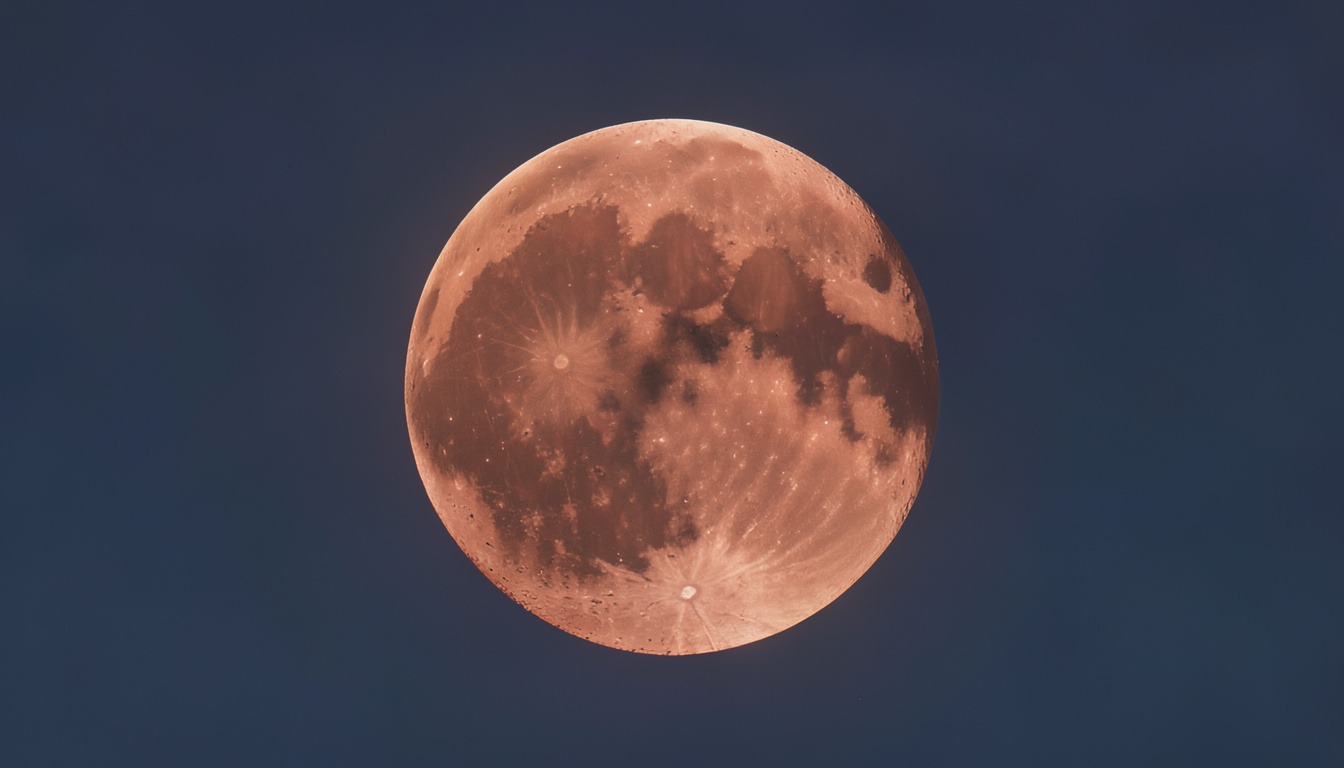
Blood moons evoke a range of spiritual beliefs and cultural superstitions. These celestial events hold significant meaning across various religions and cultures. Understanding these interpretations can deepen one’s awareness of the blood moon’s biblical implications.
Cultural Perspectives: How Different Societies View Blood Moons
Many cultures interpret blood moons as powerful omens. Here are some notable beliefs:
- Christianity: In Christian tradition, blood moons are often seen as signs of the end times. They reference biblical prophecies, particularly Joel 2:31 and Revelation 6:12, suggesting divine warnings and impending judgment.
- Judaism: Jewish teachings often connect blood moons with significant events in Jewish history. They may signify moments of divine intervention or call for national repentance.
- Indigenous Cultures: Various indigenous cultures view blood moons as transformative events. They may celebrate these occurrences with rituals that honor the connection between the heavens and the earth.
Personal Reflections: Spiritual Experiences and Insights
Witnessing a blood moon can profoundly impact individuals’ spiritual journeys. Here are some personal reflections shared by believers:
- Renewed Faith: Many report an increase in faith and a stronger connection to God during a blood moon. They often use this time for prayer and contemplation.
- Community Engagement: Some individuals share their experiences within their faith communities, fostering deeper discussions about prophecy and spiritual readiness.
- Symbol of Hope: For many, blood moons are seen as a reminder of God’s promises. They serve as a call to maintain vigilance and hope in divine plans.
Astrological Meanings Associated with Blood Moons
Astrological interpretations also surround blood moons, adding another layer of significance:
- Transformation and Change: Astrologers often associate blood moons with periods of transformation. They believe these events can catalyze personal growth and shifts in consciousness.
- Emotional Release: Blood moons are thought to illuminate hidden emotions. Individuals may find themselves confronting unresolved issues during these times.
By exploring these spiritual beliefs and cultural superstitions, one can appreciate the depth of meaning attributed to blood moons in various contexts.
The Science Behind Blood Moons: Understanding the Phenomenon
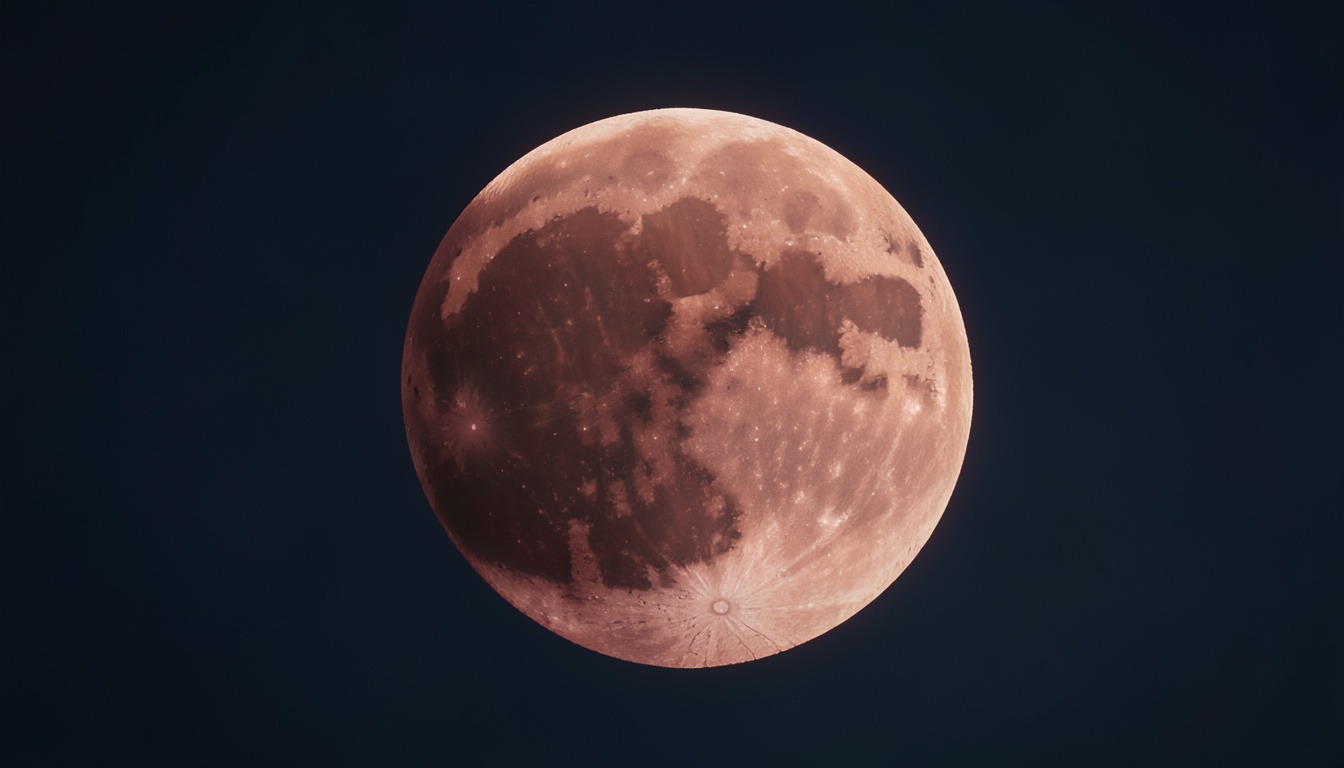
A blood moon occurs during a total lunar eclipse, where the Earth casts its shadow over the moon. This scientific phenomenon has significant implications in biblical prophecy, intertwining celestial events with spiritual interpretations.
What Causes a Blood Moon? The Science Explained
A blood moon appears when the Earth is positioned directly between the sun and the moon. Here’s how it happens:
- Total Lunar Eclipse: During this event, the Earth blocks the sun’s light from directly reaching the moon.
- Rayleigh Scattering: As sunlight passes through the Earth’s atmosphere, shorter wavelengths scatter. The longer red wavelengths prevail, giving the moon a reddish hue.
- Duration and Visibility: Blood moons can last for several hours, visible from anywhere on the night side of the Earth.
These scientific aspects relate closely to biblical texts. For instance, Joel 2:31 and Acts 2:20 highlight blood moons as signs of significant divine occurrences. Understanding the mechanics of blood moons enhances the interpretation of these celestial signals.
The Frequency of Blood Moons: Understanding Tetrads
Blood moons occur in cycles known as tetrads, where four consecutive total lunar eclipses happen at six-month intervals. Key points include:
- Historical Patterns: Tetrads have been recorded throughout history. Some coincide with major biblical events, adding to their prophetic significance.
- Cultural Impact: Many cultures view these occurrences as omens. In biblical contexts, they signal divine intervention or judgment.
Recognizing these patterns can help believers connect the dots between celestial events and biblical prophecy.
Interplay Between Science and Scripture: A Holistic View
The relationship between the scientific explanation of blood moons and their biblical significance is profound. Here’s how they connect:
- Celestial Signs: Blood moons serve as reminders of God’s sovereignty over creation. They are not random occurrences but align with prophetic timelines.
- Call to Awareness: Believers are encouraged to observe these events. They prompt reflection on spiritual readiness and attentiveness to divine messages.
By understanding both the science behind blood moons and their scriptural implications, individuals can deepen their engagement with biblical prophecy.
Historical Context and Occurrences of Blood Moons
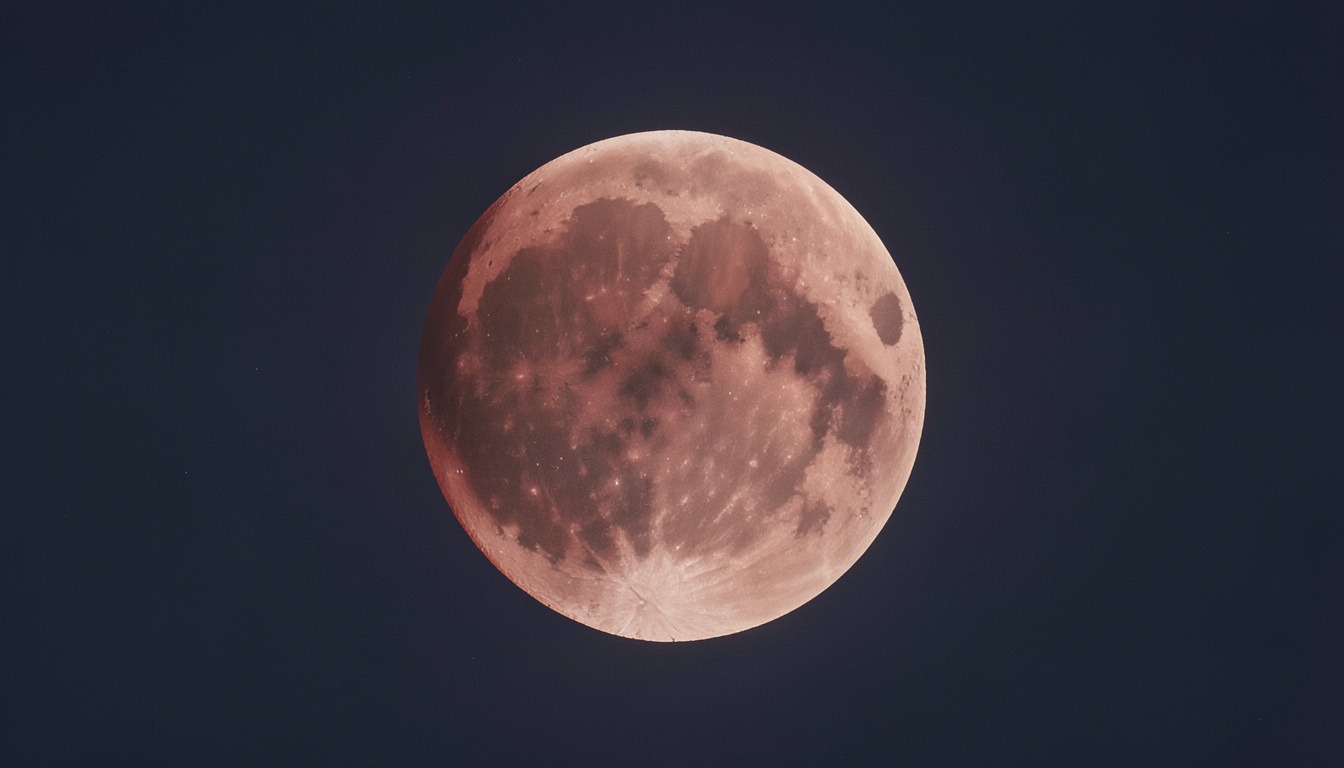
Blood moons have appeared throughout history, often during pivotal moments for the people of Israel. These occurrences hold significant spiritual and prophetic implications.
Notable Historical Blood Moons and Their Significance
1. The Exodus (1446 BC): A blood moon is believed to have coincided with the Exodus from Egypt. This event marked a divine intervention that shaped Israel’s identity as a nation.
2. The Fall of Jerusalem (586 BC): Historical accounts suggest that a blood moon appeared around the time of Jerusalem’s destruction. This event is often seen as a signal of God’s judgment against His people.
3. The Crucifixion of Christ (AD 30): According to the Gospels, darkness fell when Jesus was crucified, which some interpret as a type of blood moon. This moment signifies the gravity of the event in Christian theology.
4. The Six-Day War (1967): A total lunar eclipse occurred during this conflict, which some believers see as a prophetic sign regarding Israel’s restoration and the significance of Jerusalem.
Prophetic Events Linked to Blood Moon Occurrences
Blood moons are frequently linked to prophetic messages within biblical texts. Key verses include:
- Joel 2:31: The sun turning to darkness and the moon to blood signals the “great and terrible day of the Lord.” This has led many to view blood moons as warnings of impending events.
- Acts 2:20: Peter’s reference to Joel’s prophecy emphasizes the continuity of celestial signs as markers of divine activity.
- Revelation 6:12: This passage describes cosmic disturbances, including a blood moon, as part of end-time events, urging believers to remain vigilant.
Modern Interpretations: What Historical Blood Moons Teach Us
Understanding historical occurrences of blood moons can inform contemporary beliefs. Here are insights derived from their significance:
- Spiritual Readiness: Blood moons prompt believers to reflect on their spiritual state. Observing these events can encourage a deeper connection to prophetic teachings.
- Cultural Awareness: Many religious communities view blood moons as part of God’s ongoing narrative. They serve as calls to action, urging believers to engage more deeply with their faith.
- Personal Reflections: Individuals who witness blood moons often share transformative experiences, reinforcing the belief that these celestial events carry divine messages.
By examining these historical contexts, we can appreciate the depth of meaning behind blood moons and their connection to biblical prophecy.
Practical Insights: Observing and Reflecting on Blood Moons
Blood moons serve as powerful symbols in biblical prophecy, urging believers to engage spiritually. Observing a blood moon can deepen your understanding of these celestial events and their significance in scripture.
How to Prepare for Viewing a Blood Moon
To fully appreciate the experience of a blood moon, consider the following preparation steps:
- Check the Date and Time: Research when the next blood moon will occur. Note the timing, as total lunar eclipses vary.
- Find a Clear Viewing Spot: Choose an area away from city lights. A dark location enhances visibility.
- Gather Necessary Equipment: Binoculars or a telescope can enhance your view. A blanket or chair can improve comfort during the wait.
- Invite Others: Share the experience with family or friends. Discussing the spiritual significance can enrich the experience.
- Prepare for Reflection: Bring a journal to document your thoughts and feelings during the event.
Reflecting on the Spiritual Significance: A Guide for Believers
As you observe the blood moon, take time to reflect on its spiritual implications. Here are some guiding questions:
- What Does This Signify?: Consider the biblical passages associated with blood moons, such as Joel 2:31 and Acts 2:20. Reflect on how these verses resonate with your faith.
- How Are You Called to Respond?: Blood moons can prompt feelings of urgency in faith. Reflect on any personal actions or changes you feel inspired to make in light of this celestial sign.
- What Historical Events Resonate?: Think about previous blood moons and their connections to pivotal moments in biblical history. How do these events relate to your own spiritual journey?
Creating a Personal Ritual During a Blood Moon
Developing a personal ritual can enhance your engagement with blood moons. Consider these elements:
- Prayer: Begin with a prayer, asking for insight and understanding regarding the significance of the blood moon.
- Meditation: Spend quiet moments in meditation, focusing on the celestial event and its biblical meanings.
- Scripture Reading: Read relevant passages from the Bible, such as Revelation 6:12 or Joel 2:31, during the moon’s peak visibility.
- Journaling: Write down your reflections, insights, and any feelings that arise during the observation. This can serve as a powerful record of your spiritual journey.
By integrating these practices, you can transform the experience of witnessing a blood moon into a profound spiritual event, rich with meaning and reflection.
Frequently Asked Questions
These quick answers cover the most common questions about this topic, including key details, practical tips, and common concerns.
Which generation will not pass away?
The phrase “this generation will not pass away” is often linked to the teachings of Jesus in the context of prophetic signs. Many interpret it as a reference to the generation witnessing the end times and significant celestial events, including blood moons. This generation is seen as having a unique role in observing and responding to these divine signs.
What is the prophecy about the blood moon?
The prophecy about the blood moon primarily stems from biblical passages such as Joel 2:31 and Acts 2:20. These scriptures indicate that a blood moon serves as a warning of impending judgment and a call for spiritual vigilance. It signifies that significant events are unfolding in God’s divine plan.
Does Revelation say the moon will turn red?
Yes, Revelation 6:12 describes a cosmic event where the moon turns blood-red. This imagery emphasizes the severity of the end times and serves as a sign of divine judgment. It ties together the themes of celestial disturbances and prophetic fulfillment.
How often do blood moons occur?
Blood moons occur during total lunar eclipses, which can happen multiple times a year. However, they often appear in cycles known as tetrads, where four consecutive total lunar eclipses occur at six-month intervals. Understanding this pattern helps believers anticipate these significant celestial events.
What is the significance of blood moons in prophecy?
Blood moons are significant in prophecy as they are seen as divine signs indicating shifts in spiritual dynamics. They serve as reminders for believers to remain vigilant and prepared for God’s intervention. These events often align with historical moments of national or global importance, enhancing their prophetic weight.
What are common misconceptions about blood moons?
One common misconception is that blood moons guarantee immediate prophetic fulfillment. While they are significant, they should not be viewed as standalone events but rather as part of a broader context of divine signs. Believers should approach these occurrences with discernment and an understanding of their scriptural implications.
How do blood moons compare to other celestial signs?
Blood moons are distinct from other celestial signs, such as solar eclipses or planetary alignments, primarily due to their biblical associations. While all celestial events can be seen as signs, blood moons specifically tie into prophetic messages found in scripture, making them particularly significant for believers.
What are alternative explanations for blood moons?
While many interpret blood moons through a biblical lens, scientific explanations exist as well. Blood moons result from the Earth casting its shadow on the moon during a total lunar eclipse, causing the moon to appear red due to Rayleigh scattering. Understanding this scientific context can help balance spiritual interpretations with natural phenomena.