
In the Bible, a vineyard symbolizes God’s relationship with His people, representing spiritual growth, blessings, judgment, and community.
Vineyards are significant throughout the Bible, serving as powerful symbols of abundance, divine care, and spiritual growth. Understanding their meaning can deepen our appreciation for God’s relationship with humanity and the lessons conveyed through these metaphors in scripture.
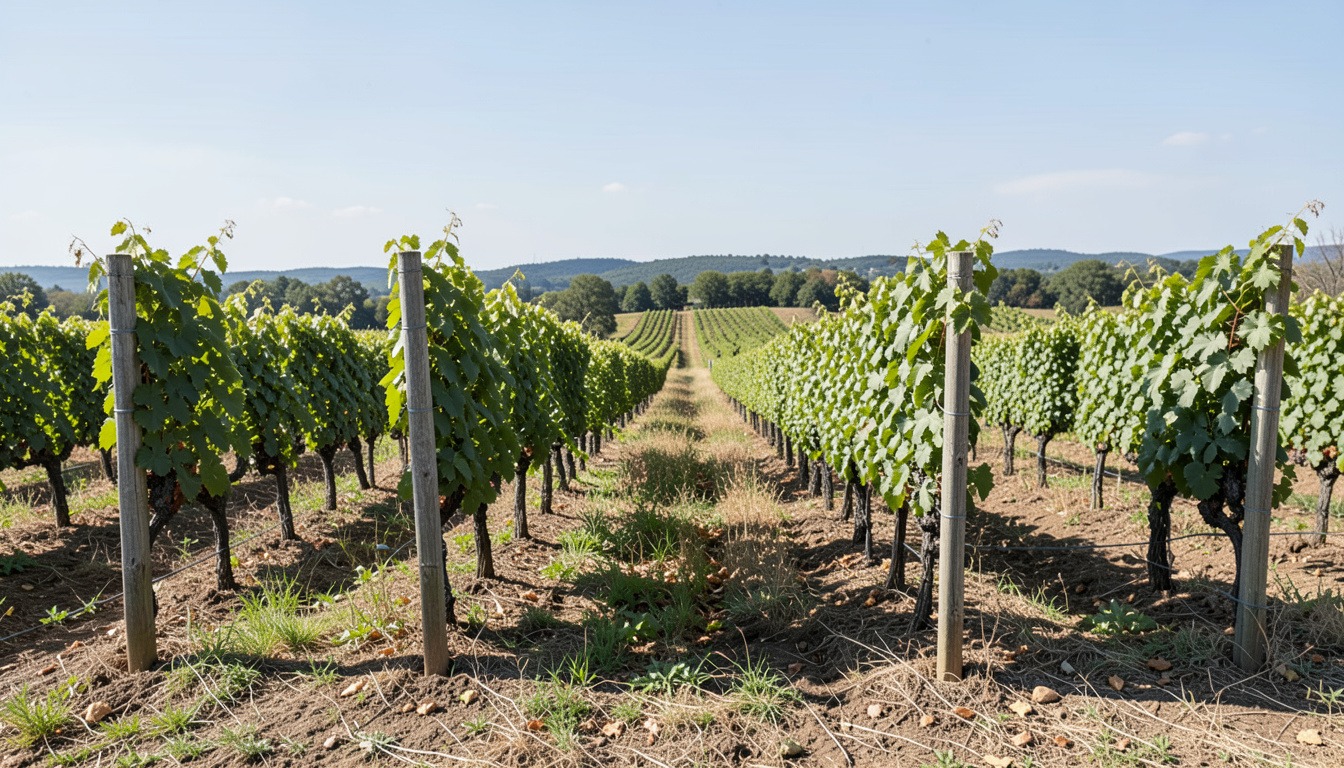
Understanding the Symbolism of the Vineyard in Scripture
The vineyard serves as a rich metaphor throughout the Bible, illustrating God’s nurturing role, the importance of spiritual growth, and the essence of community stewardship. Its symbolism resonates deeply within the context of divine care and human responsibility.
The Vineyard as a Metaphor for God’s Care
In biblical texts, the vineyard represents God’s deep investment in His people. Just as a vinedresser tends to vines with care, God nurtures humanity. Isaiah 5:1-2 depicts this relationship vividly: God prepares the vineyard, ensuring it is fertile and well-cared for. This imagery reflects His commitment to provide for and protect His people.
- Key Aspects of God’s Care:
- Preparation: God removes obstacles, as illustrated in Isaiah 5:2.
- Nurturing: His constant attention fosters growth.
- Protection: He shields His people from harm.
This metaphor emphasizes the depth of God’s love and His desire for His people to flourish.
Spiritual Growth and the Vineyard
The vineyard also symbolizes spiritual growth. As grapes must mature to produce wine, believers are called to grow in faith. John 15:1-5 reinforces this idea, presenting Jesus as the true vine. Believers, as branches, must remain connected to Him to bear fruit.
- Spiritual Growth Elements:
- Connection to Christ: Staying rooted in faith leads to spiritual vitality.
- Pruning: Just as vines are pruned for better yield, God disciplines His people for growth.
- Fruitfulness: The ultimate goal is to produce good works that reflect God’s glory.
This process highlights the dynamic relationship between divine influence and personal development.
Community and Stewardship Reflected in Vineyards
Vineyards also embody the concept of community and stewardship. In ancient Israel, vineyards were communal resources, reflecting shared responsibility among the people. The parable of the wicked tenants in Matthew 21:33-41 illustrates this relationship, where the vineyard owner entrusts his property to tenants who fail to care for it properly.
- Community and Stewardship Insights:
- Shared Responsibility: The vineyard symbolizes communal efforts towards nurturing faith.
- Consequences of Neglect: Failure to honor stewardship leads to judgment, as seen in biblical parables.
- Collective Growth: A thriving community benefits all, emphasizing the importance of collaboration.
These elements encourage believers to actively participate in their faith communities, fostering growth and care for one another.
The Cultural Context of Vineyards in Biblical Times
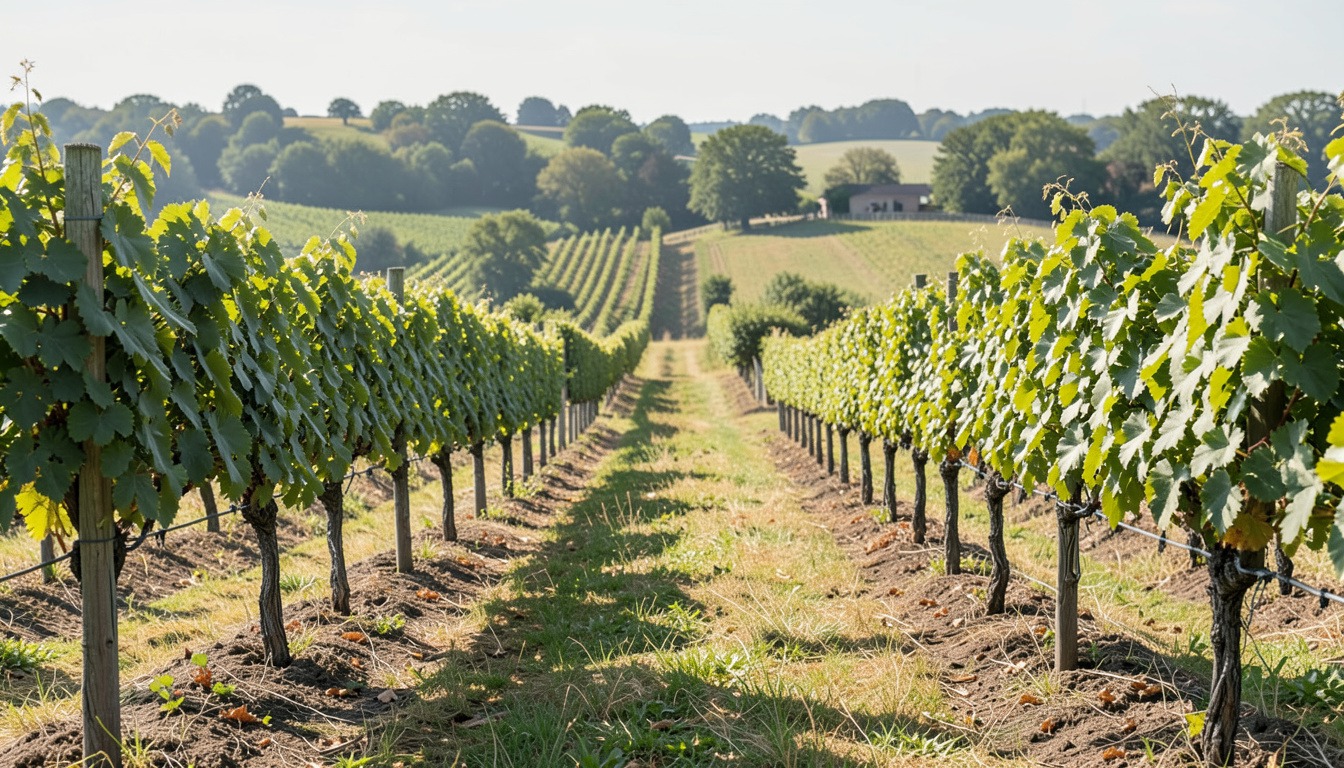
Vineyards held a central place in ancient Israelite life. They were not merely agricultural sites; they embodied economic prosperity, social gatherings, and spiritual traditions.
Agricultural Practices: Cultivation of Vineyards
The cultivation of vineyards started with careful planning and labor. Ancient Israelites used terraced farming techniques to maximize land use. They pruned vines regularly to ensure healthy growth. The harvest season was a time of celebration, as it marked the culmination of hard work.
Key aspects of vineyard cultivation included:
- Soil Preparation: Soil was enriched through natural composting and careful tilling.
- Irrigation Techniques: Ancient methods included channels and cisterns to manage water supply.
- Seasonal Harvesting: Grapes were harvested in late summer and early autumn, coinciding with significant festivals.
Economic Importance of Vineyards
Vineyards contributed significantly to the economy of ancient Israel. They were a source of income and trade. The abundance of vineyards symbolized wealth and God’s blessings. As noted in Deuteronomy 6:11, vineyards were seen as a sign of prosperity, indicating divine favor.
Vineyards also played a role in trade, as wine was a valuable commodity. The production of wine helped sustain local economies and fostered communal connections. The success of vineyards had direct implications for family and community welfare.
Vineyards in Social and Religious Contexts
In addition to their economic significance, vineyards were integral to social and religious life. Wine produced from vineyards was used at celebrations and rituals, including weddings and Passover. These events highlighted the joy and unity within the community.
- Biblical Celebrations: Wine represented joy and was essential in various religious ceremonies, emphasizing the communal aspect of faith.
- Parables and Teachings: Jesus used vineyard imagery in parables to convey spiritual truths. For instance, the parable of the wicked tenants illustrates God’s expectations from His people regarding stewardship.
Vineyards served as metaphors for spiritual growth. They symbolize the nurturing relationship between God and His people. The health of a vineyard reflects the spiritual vitality of a community, making it a powerful image in biblical teachings.
Understanding these cultural contexts enriches our grasp of the biblical meaning of vineyards. They represent not only agricultural practices but also the deeper spiritual significance intertwined with daily life in ancient Israel.
Biblical References: Parables and Teachings Involving Vineyards
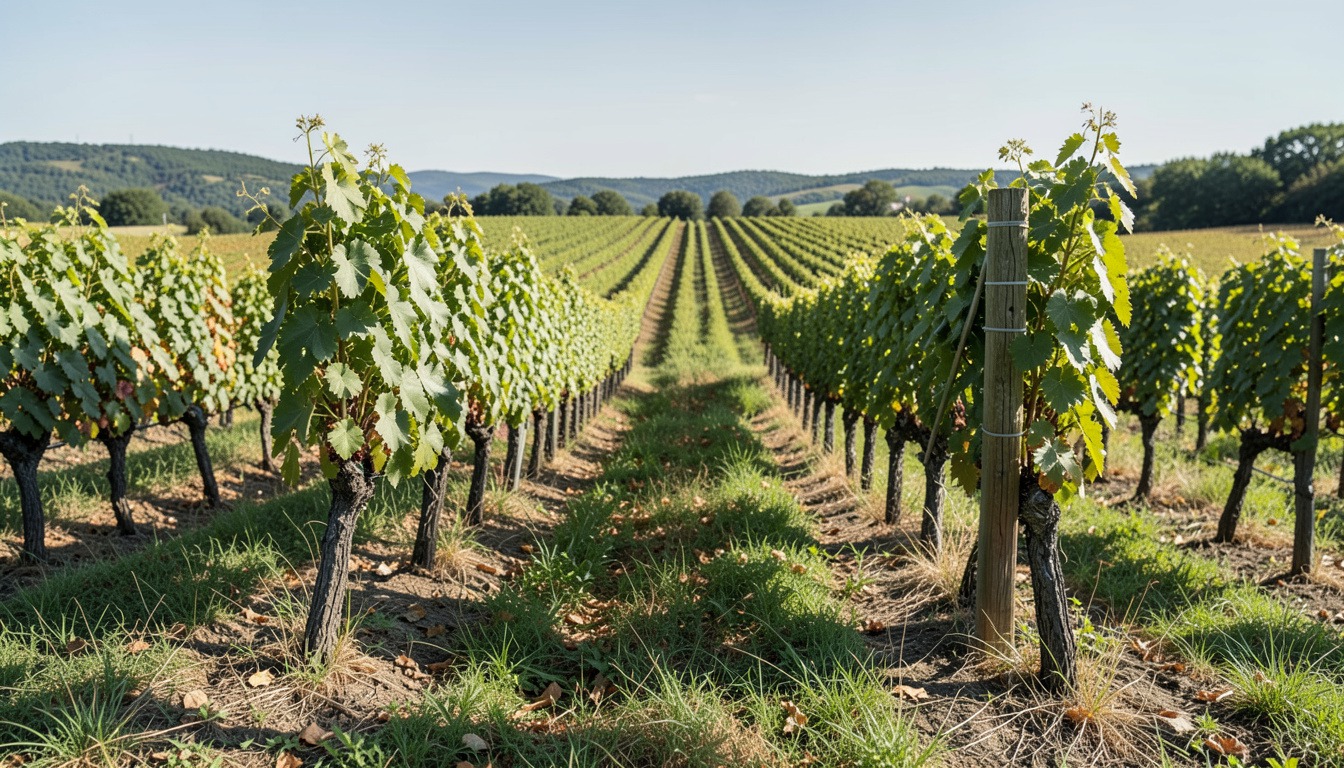
The Bible employs vineyard imagery to convey profound spiritual truths. These references illustrate God’s relationship with humanity, highlighting themes of grace, judgment, and stewardship.
The Parable of the Workers in the Vineyard
In this parable, found in Matthew 20:1-16, Jesus describes a landowner who hires workers at different times throughout the day. Despite their varying hours, each worker receives the same wage. This story emphasizes several key points:
- God’s Grace: The landowner’s generosity reflects God’s grace. It shows that entrance into God’s kingdom is not based on human effort but on divine mercy.
- Equality in the Kingdom: All who come to faith, regardless of when they start, are welcomed and valued equally.
- Reflection on Human Fairness: The parable challenges conventional ideas of fairness, inviting believers to reconsider how they perceive reward and effort in spiritual matters.
The Vineyard in Isaiah’s Song
Isaiah 5:1-2 presents a vivid metaphor of a vineyard. The passage describes a beloved vineyard that is meticulously prepared to yield good fruit. Key insights include:
- God’s Care: The vineyard symbolizes God’s nurturing relationship with His people, illustrating His commitment to their spiritual growth.
- Expectations of Fruitfulness: Just as a vineyard should produce grapes, believers are expected to bear spiritual fruit. Failure to do so leads to divine disappointment.
- Judgment and Consequences: The eventual destruction of the vineyard serves as a warning about the consequences of disobedience and spiritual barrenness.
Jesus as the True Vine: Understanding John 15
In John 15:1-5, Jesus identifies Himself as the true vine, with God as the gardener. This passage deepens our understanding of vineyard symbolism:
- Connection to Christ: Believers are the branches that must remain connected to the vine to bear fruit. This relationship underscores the necessity of abiding in Christ for spiritual vitality.
- Pruning for Growth: The act of pruning represents God’s work in believers’ lives, removing unfruitful elements to foster growth and maturity.
- Spiritual Fruitfulness: The emphasis on producing fruit illustrates the goal of Christian living: to reflect Christ’s character and contribute positively to the community.
Key Takeaways from Vineyard Parables
- Stewardship: Believers are called to be diligent stewards of what God has entrusted to them, much like caretakers of a vineyard.
- Grace vs. Judgment: The contrasting themes in these parables highlight the balance between God’s grace and the seriousness of spiritual fruitfulness.
- Cultural Relevance: Understanding these parables within the cultural context of ancient Israel enriches their meaning, as vineyards were essential to both economy and community life.
These biblical references to vineyards encapsulate critical teachings about God’s relationship with humanity, underscoring the importance of spiritual growth and accountability within the faith journey.
The Vineyard and Its Role in Spiritual Lessons Today
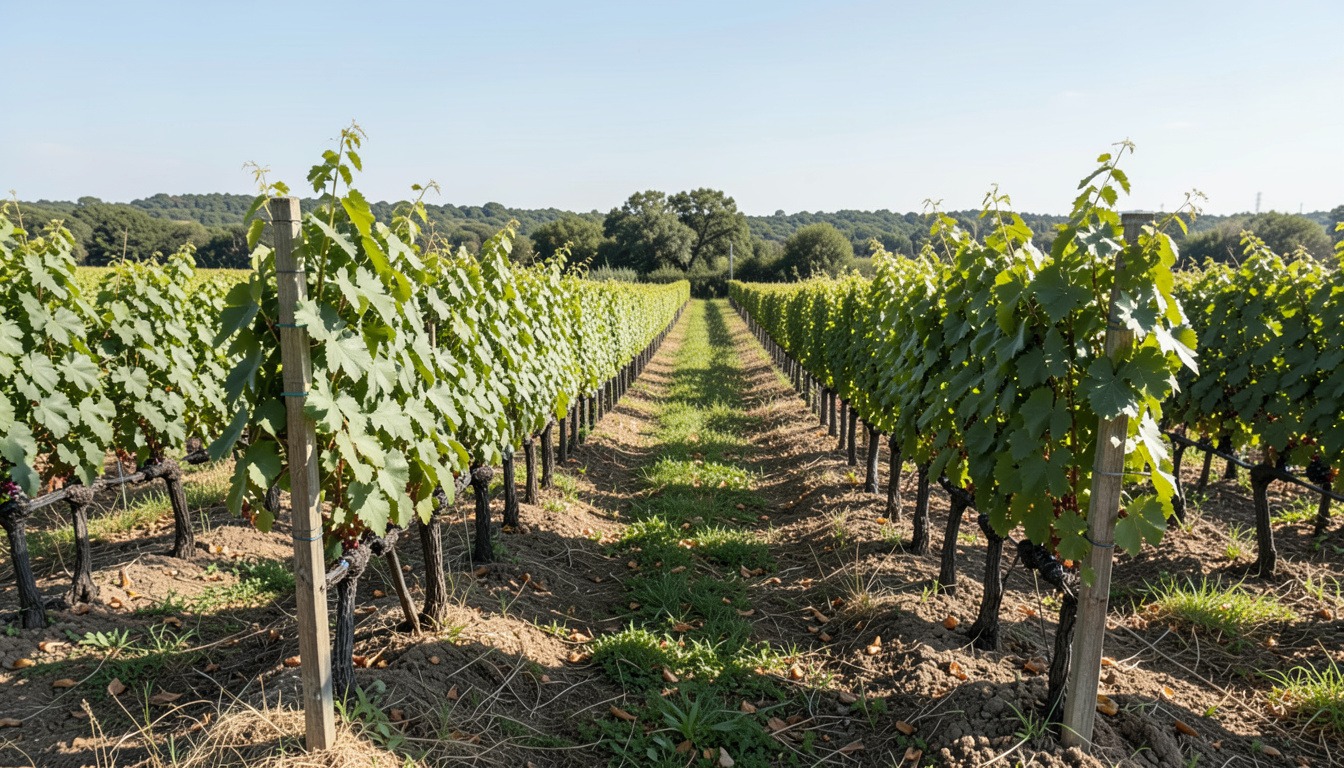
The symbolism of vineyards offers profound insights for modern faith practices. By understanding these biblical meanings, individuals can enrich their spiritual journeys and foster community.
Cultivating a Fruitful Life: Lessons from the Vineyard
The vineyard represents God’s nurturing relationship with His people. Just as a vineyard requires care and attention, our spiritual lives demand cultivation. Here are practical applications for nurturing one’s faith:
- Daily Reflection: Set aside time each day for prayer and meditation. Reflect on how God is tending to your life.
- Scriptural Study: Engage with passages that mention vineyards, such as Isaiah 5:1-2. Reflect on God’s commitment to nurturing His people.
- Fruitfulness Assessment: Regularly evaluate your spiritual fruits (Galatians 5:22-23). Are you exhibiting love, joy, and kindness in your interactions?
Embracing Community Through Shared Spiritual Growth
Vineyards thrive through cooperation, symbolizing the importance of community in faith. By supporting one another, believers can experience shared spiritual growth. Consider these actionable steps:
- Join a Faith Group: Participate in small groups or Bible studies to create a network of support and encouragement.
- Volunteer Together: Engage in community service projects as a group. This fosters unity and collective growth.
- Celebrate Together: Organize gatherings to share personal testimonies and celebrate the blessings in your lives. This reinforces the communal aspect of faith.
Reflecting on God’s Grace and Judgment in Our Lives
The vineyard metaphor also encompasses themes of grace and judgment. Understanding these can deepen our spiritual awareness:
- Grace Recognition: Acknowledge the grace in your life. Consider how God has nurtured your growth despite challenges.
- Judgment Reflection: Reflect on the importance of accountability in faith. Just as a vineyard is pruned for better yield, examine areas in your life that may need correction.
- Scriptural Parallels: Relate the parable of the wicked tenants (Matthew 21:33-46) to personal responsibilities. How are you tending to the blessings God has given you?
By incorporating these practices, individuals can actively live out the biblical meaning of the vineyard, fostering spiritual growth, community, and a deeper connection to God.
Frequently Asked Questions
These quick answers cover the most common questions about this topic, including key details, practical tips, and common concerns.
What does the vineyard symbolize in the Bible?
In the Bible, the vineyard symbolizes God’s relationship with His people. It represents spiritual growth, divine care, and the expectation of producing good fruit. The vineyard imagery illustrates God’s nurturing role and the importance of stewardship within a community of faith.
How does Jesus use the vineyard as a metaphor?
Jesus uses the vineyard metaphor to convey deep spiritual truths. In John 15:1-5, He refers to Himself as the true vine, emphasizing the necessity of remaining connected to Him for spiritual vitality. This imagery illustrates that believers must cultivate their relationship with Christ to bear spiritual fruit.
What are key biblical references to vineyards?
Key biblical references to vineyards include Isaiah 5:1-2, which describes God’s care for His people, and Matthew 20:1-16, the parable of the workers in the vineyard, which highlights God’s grace and generosity. Another significant reference is found in John 15, where Jesus portrays Himself as the true vine, emphasizing the importance of abiding in Him.
Why is the vineyard important in understanding God’s relationship with humanity?
The vineyard serves as a powerful metaphor for God’s nurturing relationship with humanity. It illustrates His commitment to provide for and protect His people while also emphasizing the expectation of spiritual fruitfulness. This imagery helps believers understand their role in cultivating faith and community.
What spiritual lessons can we learn from vineyards?
Vineyards teach several spiritual lessons, including the importance of nurturing one’s faith, the value of community stewardship, and the necessity of accountability. They encourage believers to reflect on their spiritual growth, engage in collective efforts, and recognize God’s grace in their lives.
How can vineyard symbolism be applied in today’s context?
Vineyard symbolism can be applied today by encouraging individuals to actively cultivate their spiritual lives through prayer, study, and community involvement. Believers can assess their spiritual fruits and engage in shared responsibilities within their faith communities, fostering growth and support among one another.
What misconceptions exist about the vineyard in scripture?
Common misconceptions include viewing the vineyard solely as a symbol of prosperity without recognizing its deeper spiritual implications. Some may also misinterpret the consequences depicted in vineyard parables as purely punitive, overlooking the themes of grace and redemption that accompany God’s judgment.
What are alternative symbols for God’s relationship with humanity?
Alternative symbols include the shepherd and sheep metaphor, which emphasizes guidance and care, and the potter and clay imagery, highlighting God’s creative power and the transformative process of spiritual growth. Each symbol offers unique insights into the nature of God’s relationship with His people.