
In the Bible, valleys symbolize both geographical spaces and spiritual experiences, representing trials, God’s presence, and opportunities for growth and transformation in the believer’s life.
Understanding the biblical meaning of valleys reveals their dual role as both physical locations and metaphorical representations of spiritual journeys. This guide explores six profound insights into the significance of valleys in scripture, highlighting key symbols and lessons.

The Symbolism of Valleys in the Bible
Valleys in the Bible serve as rich symbols of both challenges and opportunities for spiritual growth. They represent the trials of life while also illustrating the potential for transformation and divine presence amidst adversity.
Valleys as Spaces of Spiritual Growth
In scripture, valleys often symbolize spiritual growth through hardship. They are places where individuals confront their deepest fears and doubts. Just as David faced Goliath in the valley, we too face giants in our lives. These experiences demand reliance on God’s strength and guidance.
- Examples from Scripture:
- David in the Valley of Elah faced a formidable enemy. His victory was not just physical but spiritual, deepening his trust in God.
- The Israelites wandered through valleys during their exodus. Each valley represented a moment of challenge that ultimately led to spiritual and communal growth.
Valleys Representing Trials and Challenges
Valleys frequently depict trials and challenges in the Bible. They symbolize times of uncertainty, danger, and vulnerability. These periods often lead to significant personal and spiritual development.
- Symbolic Meanings:
- Trials: Valleys remind us of life’s difficulties and the need for resilience. They encourage us to seek God’s presence during tough times.
- Transformation: The journey through a valley can lead to profound change. It often results in a deeper understanding of faith and a strengthened character.
- Lesser-Known Valleys:
- Valley of the Shadow of Death (Psalm 23:4) teaches that even in the darkest times, God’s presence offers comfort.
- Valley of Achor (Hosea 2:15) symbolizes hope and the promise of restoration after trials.
Practical Applications of Valley Symbolism
Understanding the symbolism of valleys can help individuals navigate their spiritual journeys. Here are some practical applications:
- Reflect: Use moments in your life that feel like valleys to reflect on your faith. Consider what you are learning.
- Seek Community: Share your experiences with others. Valley moments can foster connection and support.
- Trust in God: Remember that valleys are not the end. They are paths leading to growth and deeper faith. Keep your focus on God’s promises.
By recognizing valleys as essential components of the spiritual journey, we can embrace them as opportunities for growth and transformation.
Historical Significance of Specific Valleys

Valleys play a crucial role in biblical narratives, often serving as backdrops for pivotal events. Understanding lesser-known valleys enhances our comprehension of their spiritual and historical significance.
The Valley of Jezreel: A Land of Prophecy
The Valley of Jezreel, located in northern Israel, is steeped in prophetic significance. This fertile valley was the site of numerous battles and divine interventions. Notably, it is where the prophet Elijah confronted the prophets of Baal (1 Kings 18). The valley symbolizes God’s sovereignty over Israel and His power to bring about change.
- Key Events:
- Battle of Jezreel: A decisive conflict where King Saul faced the Philistines (1 Samuel 29).
- Prophetic Fulfillments: The valley is often linked to future prophetic events, including the final battles described in Revelation.
The Valley of Elah: A Battlefield of Faith
The Valley of Elah is renowned as the location of David’s confrontation with Goliath (1 Samuel 17). This valley represents the triumph of faith over fear and the significance of divine support in moments of trial.
- Key Lessons:
- Courage in Adversity: David’s faith exemplifies how belief can lead to victory against insurmountable odds.
- God’s Presence: This valley underscores the theme of God being with His people during their struggles.
Lesser-Known Valleys and Their Meanings
Several lesser-known valleys also hold substantial biblical relevance, often overlooked in general discussions.
- Valley of Achor: Known as a place of trouble due to Achan’s sin (Joshua 7), it later became a symbol of hope and restoration (Hosea 2:15).
- Valley of Hinnom: Once associated with child sacrifice, it transformed into a metaphor for judgment and redemption in Scripture.
These valleys illustrate the duality of experiences in the spiritual journey—trials that lead to growth and restoration. They serve as reminders that valleys can be both places of judgment and opportunities for transformation.
Practical Application of Valley Symbolism
- Reflect on Personal Valleys: Identify moments of struggle in your life. Consider how they have shaped your faith.
- Embrace Change: Recognize that valleys may signify the beginning of growth or transformation.
- Cultivate Faith: Use stories from these valleys to inspire trust in God during difficult times.
By exploring these valleys, we gain deeper insights into the biblical meaning of valleys and their impact on spiritual growth and understanding.
Valleys as Places of God’s Presence

In scripture, valleys serve as profound symbols of God’s guidance and presence during life’s trials. These low points often become transformative experiences, where individuals encounter divine comfort and direction.
Psalm 23:4 and the Comfort of God in Valleys
Psalm 23:4 states, “Even though I walk through the darkest valley, I will fear no evil, for you are with me.” This verse encapsulates the essence of God’s presence in our struggles. The “darkest valley” symbolizes moments of fear and uncertainty. Yet, the assurance of divine companionship brings comfort.
- God’s Guidance: In valleys, believers often find clarity. They learn to trust in God’s path despite the darkness surrounding them.
- Emotional Support: Valleys can represent times of grief and loss. During these moments, God’s presence becomes a source of strength, reminding us we are not alone.
Valleys as Sites of Divine Encounter
Many biblical figures experienced profound encounters with God in valleys. For example, David fled to the valley of Elah, where he faced Goliath. This valley represented a moment of fear, yet it was here that David’s faith in God’s guidance shone most brightly.
- Personal Reflection: Consider personal valleys—times of struggle or despair. Reflect on how these experiences have led to moments of divine revelation.
- Practical Application: When navigating your valleys, remember:
- Acknowledge your feelings of fear or doubt.
- Seek guidance through prayer and scripture.
- Trust that these experiences can deepen your faith.
By recognizing valleys as spaces of divine presence, believers can transform their struggles into opportunities for spiritual growth and resilience.
The Duality of Valleys: Challenges and Opportunities
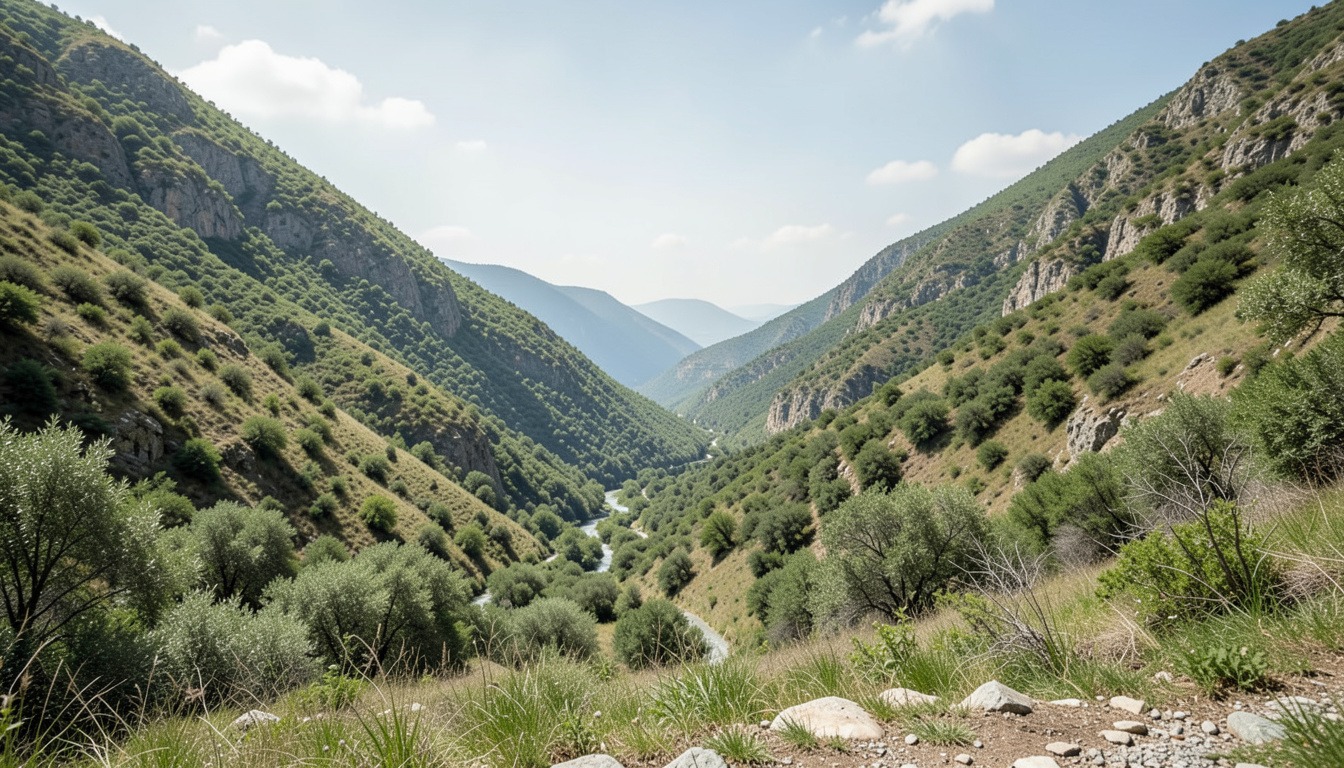
Valleys in the Bible symbolize both trials and fertile grounds for spiritual renewal. They represent moments of struggle and the potential for profound growth. Understanding this duality can deepen your spiritual journey.
Learning Resilience Through Trials
Valleys often present the greatest challenges in life. Yet, these experiences cultivate resilience. Biblical characters faced significant trials in valleys, demonstrating the transformative power of faith.
- David in the Valley of Elah: Confronted Goliath, David’s faith was tested, revealing his strength and reliance on God.
- The Israelites in the Valley of Achor: This valley marked a moment of judgment but also became a place of hope and restoration for the people.
These examples show that valleys force us to confront our fears and dependencies. Challenges prompt us to lean into our faith. We learn resilience when we face difficulties head-on.
Finding Abundance in Low Places
Despite their challenges, valleys are often abundant with spiritual nourishment. They can serve as fertile grounds for growth and renewal.
- Spiritual Lessons: Valleys teach trust and reliance on God. During difficult times, we can find deeper connections to our faith and community.
- Symbol of Restoration: Just as valleys can be lush and fertile, they symbolize renewal. They remind us that, even in our lowest moments, there is potential for growth.
Practical Application
Consider how to approach your own valleys:
- Acknowledge the Struggle: Accept your feelings. Recognizing pain is the first step toward healing.
- Seek Guidance: Utilize prayer and scripture for comfort and direction.
- Embrace Lessons: Reflect on what the valley experience can teach you about perseverance and faith.
By viewing valleys as opportunities for spiritual renewal, you can transform challenges into stepping stones for growth.
Practical Applications of Valley Symbolism in Daily Life
Understanding the biblical symbolism of valleys can provide valuable insights for personal growth during challenging times. By recognizing these moments as opportunities for spiritual development, you can navigate your own valleys with purpose.
Reflecting on Personal Valleys
- Identify Your Valleys: Take time to reflect on the difficult experiences you have faced. What challenges have felt overwhelming?
- Journal Your Journey: Write about your valleys. Document your feelings, struggles, and any lessons learned. This can help clarify your thoughts and emotions.
- Connect with Scripture: Use biblical stories of individuals who faced trials in valleys, such as David in the Valley of Elah or the Israelites in the Valley of Achor, to find encouragement.
Building Faith During Difficult Times
- Practice Prayer: Turn to prayer during your valleys. Ask for strength and clarity. Engage with God, seeking His presence in your struggles.
- Establish a Support System: Share your valleys with trusted friends or faith leaders. Their support can provide comfort and perspective.
- Create a Faith Checklist:
- Read relevant scripture about valleys and trials.
- Reflect on personal testimonies of overcoming difficulties.
- List actionable steps to take in faith during your trials.
Decision Framework for Valley Experiences
When faced with a valley, consider the following framework:
1. Acknowledge the Challenge: Accept that you are in a valley and be honest about how it affects you.
2. Seek Guidance: Look for wisdom in scripture and prayer. Consider how God has guided others in their valleys.
3. Embrace the Growth: Identify potential lessons. What can this experience teach you about God’s faithfulness and your resilience?
By applying these practical insights, you can transform your valley experiences into profound opportunities for spiritual growth and deeper faith.
Conclusion: Embracing the Journey Through Valleys
Life’s valleys present both challenges and opportunities for spiritual growth. Understanding their biblical significance can transform our perspective and deepen our faith.
The Symbolism of Valleys in Scripture
Valleys often symbolize trials, but they also represent fertile ground for spiritual renewal. In many biblical narratives, characters faced significant challenges in valleys, such as David fleeing from Saul in the Valley of Elah or the Israelites crossing the Valley of the Shadow of Death. These stories illustrate how valleys serve as settings for transformation and divine intervention.
Recognizing God’s Presence
It’s essential to acknowledge that valleys are not places of abandonment. Instead, they are moments when we can feel God’s presence most acutely. During these times, we learn to trust in His guidance. For instance, consider the story of Job, who experienced immense suffering yet remained steadfast in his faith. His journey through the valleys taught him profound lessons about perseverance and the depth of God’s love.
Practical Applications for Your Journey
As you navigate your valleys, adopt the following approaches:
- Reflect on Biblical Narratives: Draw strength from the stories of those who overcame their valleys.
- Engage in Prayer: Communicate with God about your struggles and seek clarity on the lessons He wants you to learn.
- Identify Growth Opportunities: Recognize how challenges can lead to spiritual maturity and a closer relationship with God.
By embracing the journey through life’s valleys, you can transform trials into opportunities for deeper faith and resilience. Valleys are not merely obstacles; they are essential parts of your spiritual journey, shaping you into a stronger, more faithful individual.
Frequently Asked Questions
These quick answers cover the most common questions about this topic, including key details, practical tips, and common concerns.
What does the valley of the shadow of death represent?
The valley of the shadow of death, mentioned in Psalm 23:4, symbolizes the darkest and most challenging moments in life. It represents fear, uncertainty, and vulnerability. However, the verse reassures believers that God’s presence provides comfort and protection during these trials, reminding them they are not alone.
How can valleys symbolize hope in the Bible?
Valleys can symbolize hope by representing the potential for growth and renewal after hardship. For example, the Valley of Achor, initially a place of trouble due to sin, later became a symbol of restoration (Hosea 2:15). This transformation illustrates that valleys can lead to new beginnings and spiritual rejuvenation.
What are some specific valleys mentioned in the Bible?
Several valleys are significant in the Bible, including:
- Valley of Elah: Where David faced Goliath, symbolizing courage and faith.
- Valley of Jezreel: A fertile area linked to prophetic events and divine intervention.
- Valley of Achor: Initially a site of judgment, it later symbolized hope and restoration.
How do valleys relate to spiritual growth?
Valleys often serve as critical moments for spiritual growth. They challenge individuals to confront fears and rely on God’s strength. Just as David’s experience in the Valley of Elah deepened his faith, personal trials in valleys can lead to transformative insights and a stronger relationship with God.
What lessons can we learn from valleys in scripture?
Valleys teach resilience, trust, and the importance of seeking God during difficult times. They remind believers that challenges can lead to profound personal growth. For instance, the Israelites’ journey through valleys during their exodus highlights the importance of community and faith in overcoming adversity.
What should readers know about biblical characters who faced trials in valleys?
Many biblical figures encountered significant trials in valleys. For example, David faced Goliath in the Valley of Elah, which tested his faith and courage. Similarly, the Israelites experienced challenges in valleys during their wanderings, illustrating that valleys are often settings for pivotal moments of growth and divine intervention.
What are common misconceptions about valleys in scripture?
A common misconception is that valleys solely represent despair and hopelessness. In reality, they also symbolize growth, transformation, and God’s presence. Misinterpreting valleys as purely negative can lead to overlooking the valuable lessons and hope they can provide in spiritual journeys.
How do valleys compare to mountains in spiritual journeys?
Valleys and mountains represent different aspects of spiritual experiences. Mountains often symbolize triumph, divine encounters, and clarity, while valleys signify trials, challenges, and growth. Both are essential in the spiritual journey, as valleys teach resilience and dependence on God, while mountains provide moments of revelation and strength.