
In the Bible, honor means to recognize and respond to someone’s worth with deep respect and reverence, reflecting God’s character in our relationships, especially towards God, parents, and authority figures.
The biblical meaning of honor encompasses more than mere respect; it involves recognizing the intrinsic worth of individuals and God. This guide explores the significance of honor in scripture, its applications, and how it shapes relationships and community dynamics.

Defining Honor in the Biblical Context
The biblical concept of honor is foundational to understanding relationships with God and others. It reflects a deep respect and recognition of worth that is woven throughout scripture.
The Hebrew and Greek Roots of Honor
In the Bible, honor is translated from the Hebrew word kabad and the Greek term timē.
- Kabad: This Hebrew word conveys the idea of weightiness or significance. It implies that someone holds a substantial value within the community and before God.
- Timē: In Greek, this term emphasizes the notions of respect and reverence. It indicates that honor is not simply given but is a recognition of inherent worth.
These roots illustrate that honor is not just an abstract idea; it is a tangible acknowledgment of someone’s value, especially in relation to God and authority figures.
Scriptural References Defining Honor
Various scriptures outline the importance of honor in both the Old and New Testaments. Key verses include:
- Exodus 20:12: “Honor your father and your mother.” This commandment establishes the family as a primary context for honor.
- Romans 13:1-7: “Let every person be subject to the governing authorities.” Here, honor extends to civil authorities, emphasizing the need for respect in societal structures.
- 1 Timothy 5:3: “Honor widows who are truly widows.” This verse highlights the call to honor vulnerable members of the community.
These examples show that honor is multidimensional; it encompasses familial relationships, societal structures, and care for the marginalized.
The Importance of Honor in Relationships
Honor shapes interactions within families, communities, and the church. It fosters respect and builds trust. When individuals practice honor, they contribute to a culture of dignity and recognition.
Here are practical applications of honor in daily life:
- Honoring God: Prioritize worship and obedience. Acknowledge His authority in all aspects of life.
- Honoring Parents: Show appreciation through actions and words. Engage in meaningful conversations and seek their wisdom.
- Honoring Authority: Respect leaders and institutions. Participate positively in community life.
Understanding these applications can enhance personal relationships and promote a harmonious community.
Consequences of Dishonor
Dishonor, on the other hand, can lead to discord and division. In scripture, dishonor often results in negative outcomes, both spiritually and relationally. For example, Proverbs 30:17 warns that those who scorn their parents will face dire consequences.
By actively recognizing and practicing honor, individuals cultivate a respectful and loving environment, reflecting biblical values in everyday life.
The Importance of Honoring God

Honoring God is foundational in scripture. It reflects a believer’s recognition of God’s authority, sovereignty, and worthiness of respect. This honor shapes a believer’s relationship with God and influences interactions with others.
Honoring God Through Worship
Worship serves as a primary means of honoring God. It encompasses various expressions, including prayer, singing, and service. Believers demonstrate their reverence by prioritizing God in their lives.
- Prayer: Engaging in prayer acknowledges God’s presence and seeks His guidance.
- Singing: Worship songs express gratitude and elevate God’s glory.
- Service: Acts of kindness and service reflect God’s love and character.
For example, consider a community that organizes a charity event. By dedicating the efforts to glorify God, participants honor Him through their actions, showing that their talents and resources are offered back to the Creator.
Obedience as an Expression of Honor
Obedience to God’s commands is another vital expression of honor. When believers adhere to biblical teachings, they demonstrate their respect for God’s authority and His word.
- Following Commandments: Adhering to the Ten Commandments, such as honoring parents (Exod 20:12), showcases respect for God’s order.
- Living Righteously: Aligning daily actions with biblical principles reflects a heart committed to honoring God.
For instance, a believer who chooses integrity in business dealings honors God by upholding His values over personal gain. This decision not only enriches the individual’s character but also serves as a testimony to others.
The Consequences of Dishonor Towards God
Dishonor towards God can lead to serious spiritual and relational consequences. Scripture warns against the dangers of failing to honor Him.
- Spiritual Disconnect: Dishonor can create a barrier in one’s relationship with God, leading to feelings of distance or abandonment.
- Relational Strife: A lack of honor towards God may also spill over into relationships with others, causing discord and misunderstandings.
For example, disregarding God’s authority can manifest in a dismissive attitude towards spiritual leaders. This dishonor not only affects the individual’s spiritual life but can disrupt the unity within the community.
By evaluating personal worship practices and aligning them with the principles of honor outlined in scripture, believers can foster a deeper connection with God and create a more harmonious environment around them.
Honoring Parents: A Biblical Mandate

Honoring parents is a fundamental command in Scripture. It reflects God’s design for family dynamics and societal order. This command is not merely a suggestion; it carries significant weight in both spiritual and relational contexts.
Biblical Commands on Honoring Parents
The Bible explicitly instructs believers to honor their parents. This command is rooted in the Ten Commandments, where God emphasizes its importance. Exodus 20:12 states, “Honor your father and your mother.” This directive is reinforced in the New Testament as well, where Ephesians 6:2-3 reminds us that honoring parents brings blessings, promising, “that it may go well with you and that you may enjoy long life on the earth.”
Practical Ways to Honor Your Parents
Honoring parents involves both attitudes and actions. Here are practical ways to embody this command:
- Show Respect: Speak to them with kindness and avoid disrespectful language.
- Seek Their Guidance: Value their wisdom and experience in decision-making.
- Provide Support: Help them in practical ways, whether physically, emotionally, or financially.
- Maintain Communication: Regularly check in and express appreciation for their efforts.
- Celebrate Their Achievements: Acknowledge their milestones and contributions to your life.
These actions cultivate deeper relationships and align with the biblical principle of honor.
The Blessings Associated with Honoring Parents
Honoring parents yields numerous blessings. These may include:
- Strengthened Relationships: Mutual respect fosters a more profound connection.
- Emotional Stability: Families that honor one another experience lower levels of conflict.
- Spiritual Growth: Following God’s commands enhances one’s spiritual walk and understanding of His character.
- Long-Term Benefits: Honor can lead to a more fulfilling life, as promised in Scripture.
To evaluate your honor practices, consider these questions:
1. How do I show respect to my parents daily?
2. Am I actively seeking their input in my life?
3. Do I express gratitude for their sacrifices?
By assessing these areas, families can enhance their honor practices and improve their relational dynamics.
Honoring Authority: A Call to Respect
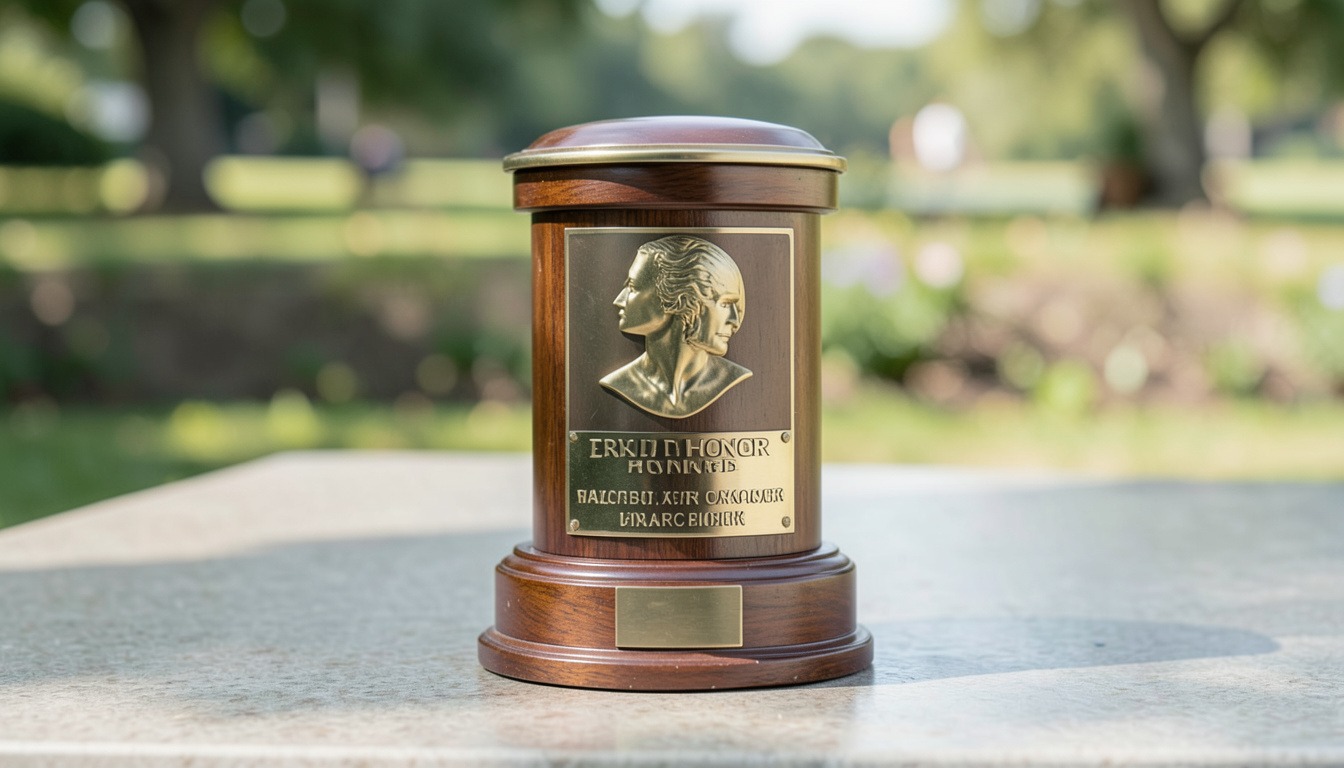
Honoring authority figures is a fundamental aspect of biblical teachings. This principle applies to government officials, spiritual leaders, and other figures in positions of authority. Understanding this concept enriches our relationships and fulfills God’s commands.
Scriptural Basis for Honoring Authority
The Bible explicitly instructs believers to honor those in authority. Romans 13:7 states, “Pay everyone what you owe him: taxes to whom taxes are due, revenue to whom revenue is due, respect to whom respect is due, honor to whom honor is due.” This verse emphasizes that honor is a duty, particularly toward government and spiritual leaders.
- Government Authority: Believers are called to respect and submit to governing authorities. This respect reflects obedience to God, who establishes these positions.
- Spiritual Leaders: The Bible encourages honoring church leaders who guide the faithful. They provide spiritual nourishment and direction.
The Role of Honor in Society
Honor serves as a cornerstone for societal stability. When individuals respect authority, it fosters harmony and trust. Here are some implications of honoring authority:
- Promotes Order: Honor creates a framework within which society operates smoothly. Respecting laws and leaders reduces chaos.
- Encourages Accountability: When authority figures are honored, they feel a greater responsibility to lead ethically and wisely.
- Builds Community: Honor cultivates mutual respect among community members, enhancing relationships and cooperation.
Challenges in Honoring Authority Figures
Despite its importance, honoring authority can be challenging. Conflicts often arise due to differing values or practices. Here are some common challenges:
- Disagreement with Policies: Individuals may struggle to honor authorities whose decisions conflict with personal beliefs.
- Corruption or Misconduct: When leaders act unethically, it can be difficult to show respect.
Real-World Scenario: Imagine a workplace where a manager enforces a policy that employees find unjust. Instead of openly defying the manager, an employee could express concerns respectfully. This approach maintains honor while advocating for change.
To navigate these challenges, consider the following:
- Evaluate the Action, Not the Person: Distinguish between the authority’s role and their actions. This mindset fosters respect even amid disagreement.
- Seek Understanding: Engage in dialogue to understand the rationale behind decisions. This can help bridge gaps in perspective.
By addressing the complexities of honoring authority, believers can uphold this biblical principle while navigating modern challenges.
The Spiritual Implications of Honor and Dishonor
Understanding the spiritual implications of honor and dishonor is crucial for believers. Dishonor not only affects our relationship with God but also undermines our connections with others.
The Spiritual Consequences of Dishonor
Dishonor has profound spiritual ramifications. It can lead to estrangement from God and a breakdown in community. When we dishonor God, we reject His authority and diminish our spiritual growth. Dishonor towards others creates division, strife, and resentment.
- Dishonor towards God: This manifests as a lack of reverence, leading to spiritual decay. For example, when individuals disregard God’s commandments, they disconnect from His blessings.
- Dishonor towards others: Failing to recognize the worth of others can result in broken relationships. This dishonor breeds bitterness and conflict, disrupting the harmony God desires in community.
Examples of Dishonor in Scripture
Scripture provides clear examples of dishonor and its consequences:
- Cain and Abel: Cain’s disregard for God’s instructions led to the first murder (Genesis 4:1-16). His dishonor not only severed his relationship with God but also with his brother.
- Ham’s Disrespect: Ham dishonored his father Noah by exposing his nakedness (Genesis 9:20-25). This act led to a curse on Ham’s descendants, illustrating the serious impact of dishonor.
How Dishonor Affects Relationships
Dishonor destroys trust and respect within relationships. It can manifest in various ways:
- Disrespecting Authority: Speaking ill of leaders creates a toxic environment. It undermines their authority and weakens community cohesion.
- Neglecting Family Roles: Dishonoring parents disrupts familial bonds. The command in Exodus 20:12 emphasizes the long-term benefits of honoring parents in both life and land.
Decision Rule for Evaluating Honor in Relationships:
1. Assess Intent: Consider the motivations behind actions. Are they honoring or dishonoring?
2. Reflect on Impact: Evaluate how actions affect relationships. Do they foster unity or division?
3. Seek Reconciliation: If dishonor occurs, pursue restoration to mend relationships.
By understanding these dynamics, believers can foster a culture of honor that aligns with biblical teachings.
Practical Applications of Honor in Daily Life
Incorporating honor into daily life is essential for nurturing relationships and building strong communities. Here are practical steps to honor God, family, and others.
Daily Practices for Honoring God
1. Start Your Day with Prayer: Dedicate time each morning to acknowledge God and seek His guidance.
2. Engage with Scripture: Read the Bible regularly to understand God’s character and His expectations for honor.
3. Act with Integrity: Make decisions that reflect your commitment to honor God in every aspect of life.
Cultivating Honor in Family Relationships
1. Show Appreciation: Regularly express gratitude to family members for their contributions.
2. Listen Actively: Give your full attention during conversations to demonstrate respect and value.
3. Model Forgiveness: When disagreements arise, practice forgiveness to maintain harmony and honor within the family.
Building a Culture of Honor in Community
1. Recognize Contributions: Acknowledge the efforts of community members, such as volunteers or local leaders.
2. Encourage Open Dialogue: Create spaces for honest communication where everyone feels valued and heard.
3. Serve Others: Participate in community service to demonstrate honor through action.
Checklist for Fostering Honor
- [ ] Evaluate Intent: Are my actions honoring to others?
- [ ] Reflect on Impact: Do my words and actions strengthen relationships?
- [ ] Pursue Reconciliation: Am I willing to repair any dishonor caused?
By implementing these practices, individuals can cultivate a lifestyle that honors God and fosters meaningful relationships within their families and communities.
Frequently Asked Questions
These quick answers cover the most common questions about this topic, including key details, practical tips, and common concerns.
What is the spiritual meaning of honor?
The spiritual meaning of honor involves recognizing and valuing the worth of others, particularly in relation to God. It reflects a deep respect that acknowledges the inherent dignity of individuals and the authority of God. In a biblical context, honor is about living in a way that aligns with God’s principles, fostering healthy relationships and community dynamics.
What are the three types of honor in the Bible?
The three types of honor in the Bible include:
1. Honor for God: Acknowledging His authority and worth through worship, obedience, and reverence.
2. Honor for Parents: Recognizing the role of parents in our lives, as commanded in Exodus 20:12, which emphasizes respect and gratitude towards them.
3. Honor for Authority: Extending respect to governmental and spiritual leaders, as outlined in Romans 13:1-7, which calls for submission to established authorities.
What is the Hebrew meaning of honor?
The Hebrew word for honor is kabad, meaning “to be heavy” or “to give weight.” This signifies that someone has substantial value and importance. It implies that when we honor others, we are acknowledging their significant role in our lives and communities, especially as it relates to God and authority figures.
What does the KJV define as honor?
In the King James Version (KJV), honor is often presented as a call to respect and esteem others. For instance, Exodus 20:12 states, “Honor thy father and thy mother,” emphasizing the importance of familial respect. The KJV uses the term “honor” to denote a deep recognition of worth and authority, urging believers to maintain respectful relationships.
How can I practice honor in my daily life?
Practicing honor daily can involve simple yet impactful actions:
- Show Respect: Use kind words and gestures towards others, especially in challenging situations.
- Listen Actively: Pay full attention during conversations, valuing others’ perspectives.
- Express Gratitude: Regularly acknowledge and appreciate the contributions of family, friends, and colleagues.
Why is honoring parents emphasized in the Bible?
Honoring parents is emphasized in the Bible because it establishes a foundational principle for family and societal structure. This commandment not only promotes respect but also fosters strong family ties. By honoring parents, individuals can experience blessings in their lives, as highlighted in Ephesians 6:2-3, which promises well-being and longevity.
What does the Bible say about dishonor?
The Bible warns against dishonor and its consequences. Dishonor can lead to broken relationships and spiritual disconnect. For example, Proverbs 30:17 cautions that those who scorn their parents will face dire repercussions. Dishonor disrupts harmony and can create a toxic environment, both within families and communities.
What should readers know about Biblical examples of dishonor?
Biblical examples of dishonor illustrate the serious consequences of failing to respect authority and relationships. Cain’s act of killing Abel (Genesis 4:1-16) stemmed from dishonor towards God and his brother, leading to severe spiritual and relational fallout. Similarly, Ham’s disrespect towards Noah (Genesis 9:20-25) resulted in a curse on his descendants. These narratives emphasize the importance of honor and the repercussions of its absence.